Iranian President Masoud Pezeshkian Defies Surrender Demands in Latest Conflict Trend Summary
Iranian President Masoud Pezeshkian officially rejected U.S. demands for unconditional surrender on March 7, 2026, as the military conflict with the United States and Israel entered its second week. Pezeshkian characterized the demands as a dream and vowed that Iran would not bow to external pressure despite ongoing aerial strikes. The defiance comes as the Pentagon confirmed the death of a seventh U.S. service member following an Iranian attack in Saudi Arabia.
TL;DR
- President Pezeshkian rejected U.S. calls for unconditional surrender, labeling them unrealistic.
- Iran issued a formal apology to neighboring Gulf nations for "fire at will" strikes that impacted their territories.
- A seventh U.S. soldier died from injuries sustained during an Iranian attack in Saudi Arabia.
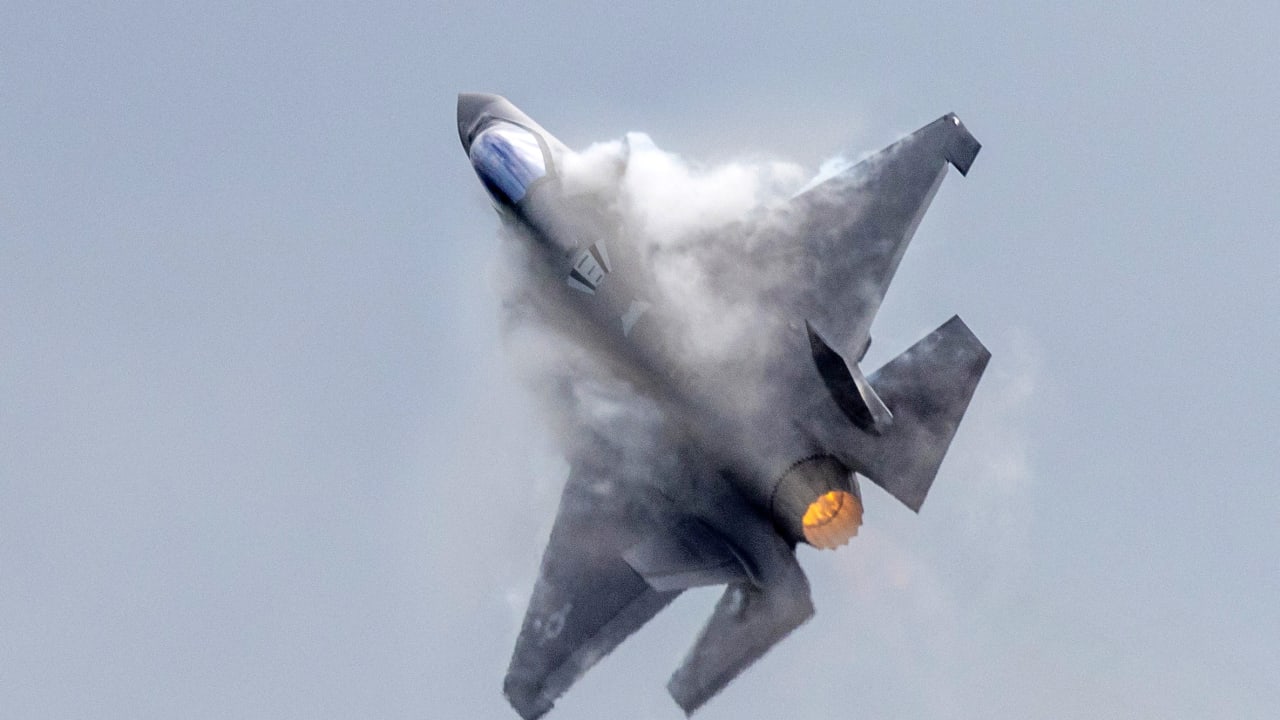
- Military operations by U.S. and Israeli forces against Iranian targets have continued for over seven days.
What Happened
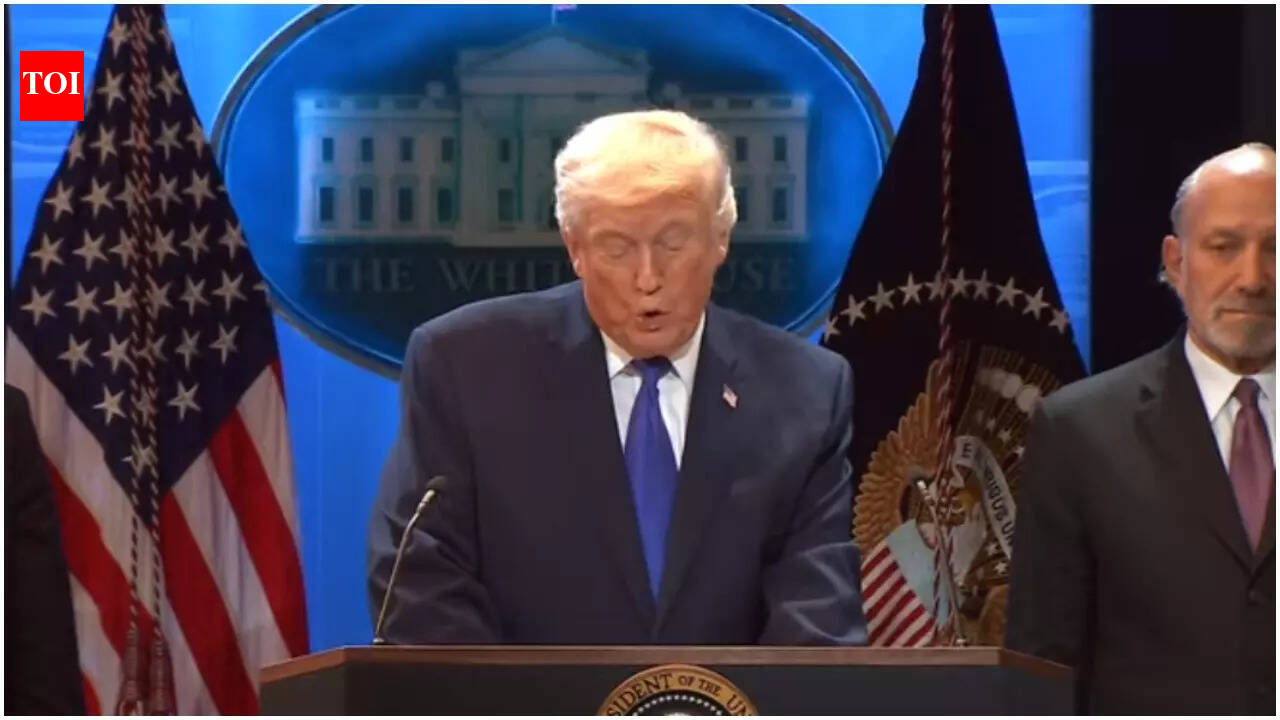
President Masoud Pezeshkian addressed the Iranian nation and the international community on March 7 and 8, 2026, to clarify Iran's stance amid intensifying regional warfare. He explicitly stated that Iran would not succumb to the military and political pressure exerted by the United States and Israel. This statement served as a direct response to a demand for unconditional surrender issued by the Trump administration. Pezeshkian described the notion of Iran's total capitulation as a "dream" that would not be realized.
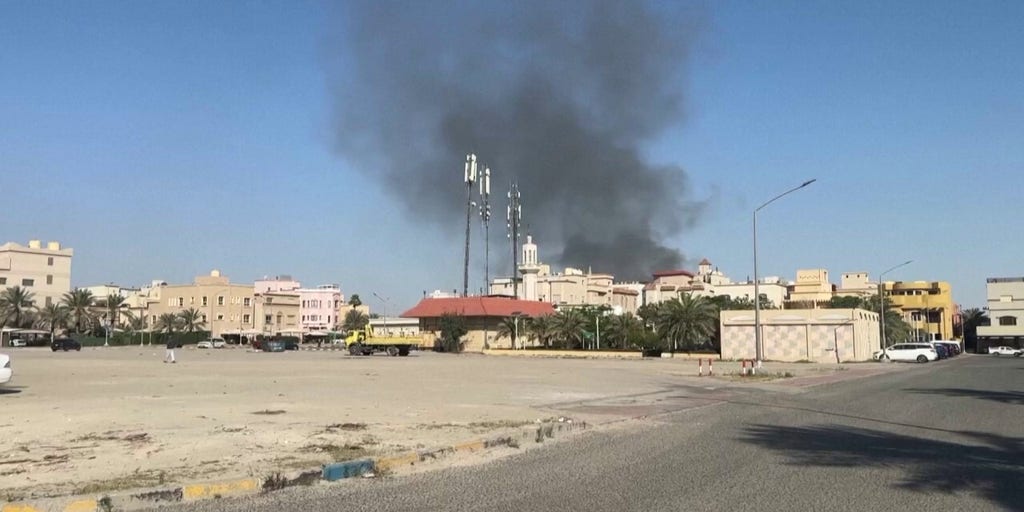
Simultaneously, the Iranian leader took the unexpected step of apologizing to neighboring countries in the Gulf region. This apology followed a series of "fire at will" missile and drone strikes launched by Iranian forces that crossed into or landed near neighboring borders. While Pezeshkian expressed regret to these neighbors for the collateral disruption, he maintained a confrontational tone toward Western adversaries, stating that the nation would not slow down its defensive operations.
Key Developments
On March 8, 2026, the Pentagon announced the death of a U.S. Army soldier who succumbed to wounds received during an Iranian strike in Saudi Arabia. This fatality marks the seventh U.S. service member killed since the current escalation began. In the diplomatic sphere, Pezeshkian has faced internal scrutiny and "grilling" from domestic political factions following his decision to apologize to neighboring states, with some hardliners questioning the admission of error during an active war.
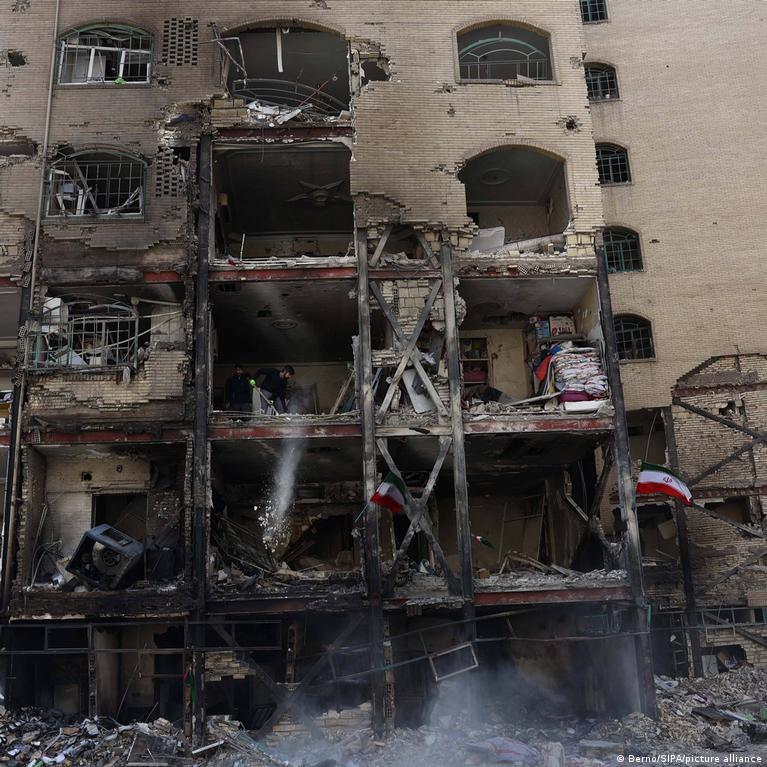
Reports indicate that U.S. and Israeli airstrikes on Iranian infrastructure have remained consistent throughout the week. Despite the damage to military sites, Iranian leadership has sent mixed messages regarding their strategy in the Gulf, alternating between high-intensity threats and diplomatic overtures to regional Arab partners. Confirmed reports show that the Iranian military continues to maintain a high state of readiness, refusing to withdraw forces or cease retaliatory launches.
Why This Matters
This development signifies a total breakdown in ceasefire negotiations, as the rejection of surrender terms ensures the continuation of high-intensity military engagement. The death of the seventh U.S. service member increases the likelihood of further American escalatory measures or expanded target sets within Iran. Furthermore, Pezeshkian's apology to neighboring states is a tactical attempt to prevent a unified regional coalition from forming against Tehran, even as it remains at war with the U.S. and Israel.
What Happens Next
U.S. and Israeli military forces are confirmed to continue scheduled strike packages against Iranian assets into the coming days. The Iranian government has scheduled further internal briefings to address the domestic criticism of Pezeshkian's recent diplomatic statements. No diplomatic talks between Tehran and Washington are currently scheduled, as both parties have reinforced their respective military positions.
FAQ
Did President Pezeshkian agree to surrender?
No, President Masoud Pezeshkian explicitly rejected the U.S. demand for unconditional surrender on March 7, 2026. He informed the public that Iran would continue to resist military pressure from both the U.S. and Israel.
Why did Iran apologize to its neighbors?
President Pezeshkian issued an apology because Iranian "fire at will" strikes had accidentally impacted or threatened the territories of neighboring Gulf countries. The apology was intended to de-escalate tensions with local regional partners while the war with the West continues.
How many U.S. soldiers have died in this conflict?
As of March 8, 2026, the Pentagon has confirmed that seven U.S. service members have died. The most recent casualty was an Army soldier who died from injuries sustained during an Iranian attack in Saudi Arabia.
What is the current status of the military strikes?
The conflict has entered its second week as of March 2026, with U.S. and Israeli strikes on Iranian targets continuing daily. Iran has vowed not to bow to this pressure and remains engaged in active military resistance.