Saudi Arabia Urged Donald Trump to Impose Sanctions on UAE Over Sudan Conflict
Saudi Crown Prince Mohammed bin Salman reportedly requested that U.S. President Donald Trump impose sanctions on the United Arab Emirates. This request was disclosed during a diplomatic exchange concerning the ongoing civil war in Sudan. The revelation has surfaced as a central point of contention in the relationship between the two Gulf allies.

TL;DR
- Saudi Arabia requested U.S. sanctions against the UAE.
- The request was made by Mohammed bin Salman to Donald Trump.
- The dispute centers on conflicting interests in the Sudanese war.
- The disclosure has strained diplomatic ties between Riyadh and Abu Dhabi.
What Happened
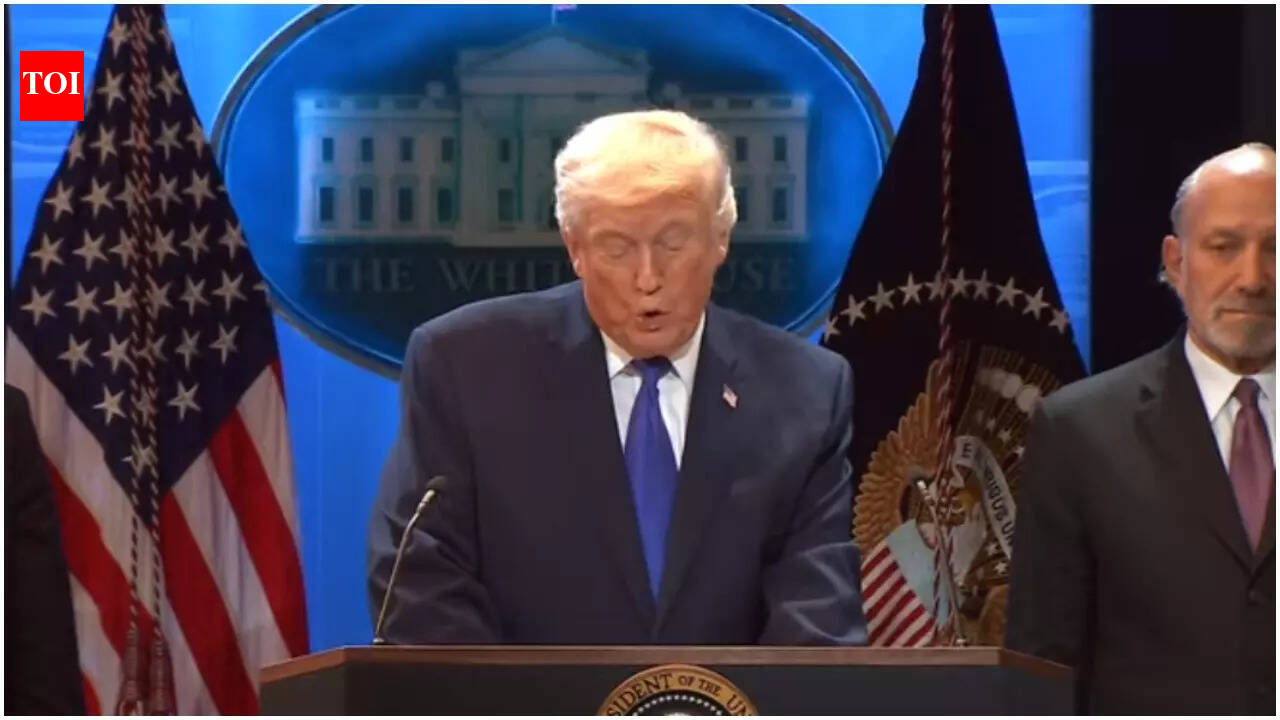
Reports indicate that during a private communication, Saudi Crown Prince Mohammed bin Salman (MBS) approached President Donald Trump with a specific request to penalize the United Arab Emirates (UAE). The Saudi leadership cited the UAE's alleged role and influence in the Sudan conflict as the primary justification for seeking economic or diplomatic sanctions. Following this interaction, President Trump reportedly informed UAE President Sheikh Mohamed bin Zayed Al Nahyan about the Saudi request, effectively bringing the private appeal into the open.
Key Developments
The situation escalated when details of the phone calls and meetings between the three leaders were leaked to the press. These developments highlight a significant rift over Sudan, where the two nations support different factions or have diverging strategic goals. Official responses from the involved parties have been limited, but the disclosure has forced a public acknowledgement of the underlying friction. No formal sanctions were implemented by the Trump administration following the request.
Why This Matters
Saudi Arabia and the UAE are the two most powerful economies and military forces in the Arab world, typically acting as a unified bloc in regional geopolitics. This dispute signals a breakdown in that coordination, specifically regarding African Horn stability and Red Sea security. The involvement of the United States as a mediator or messenger in this internal rift underscores the complexity of U.S. foreign policy in the Middle East.
What Happens Next
Diplomatic observers expect a period of cooled relations between Riyadh and Abu Dhabi as they navigate the fallout of this disclosure. Future discussions regarding the Sudan peace process may require separate tracks to accommodate the competing interests of both nations. Monitoring of U.S. policy toward the UAE will continue to determine if any residual pressure from the Saudi request influences future executive decisions.
FAQ
Why did Saudi Arabia want sanctions on the UAE?
Saudi Arabia sought sanctions due to the UAE's involvement in the Sudan conflict, which Riyadh views as contrary to its own strategic interests and regional stability.
Did Donald Trump agree to the sanctions?
There is no record of the Trump administration following through with the request; instead, the President reportedly disclosed the request to the UAE leadership.
How did the UAE react to the report?
The UAE has historically maintained a stance of strategic autonomy, and while official public statements are sparse, the report has intensified the diplomatic rivalry between the two nations.
What is the core issue in Sudan for these countries?
The two nations have differing levels of support for the various military and paramilitary factions currently fighting for control of the Sudanese government.
Is the alliance between Saudi Arabia and the UAE broken?
While the alliance remains functional in certain sectors, this event represents one of the most significant documented diplomatic fractures in recent years.