White House Briefed on Military Strike Options Against Iran
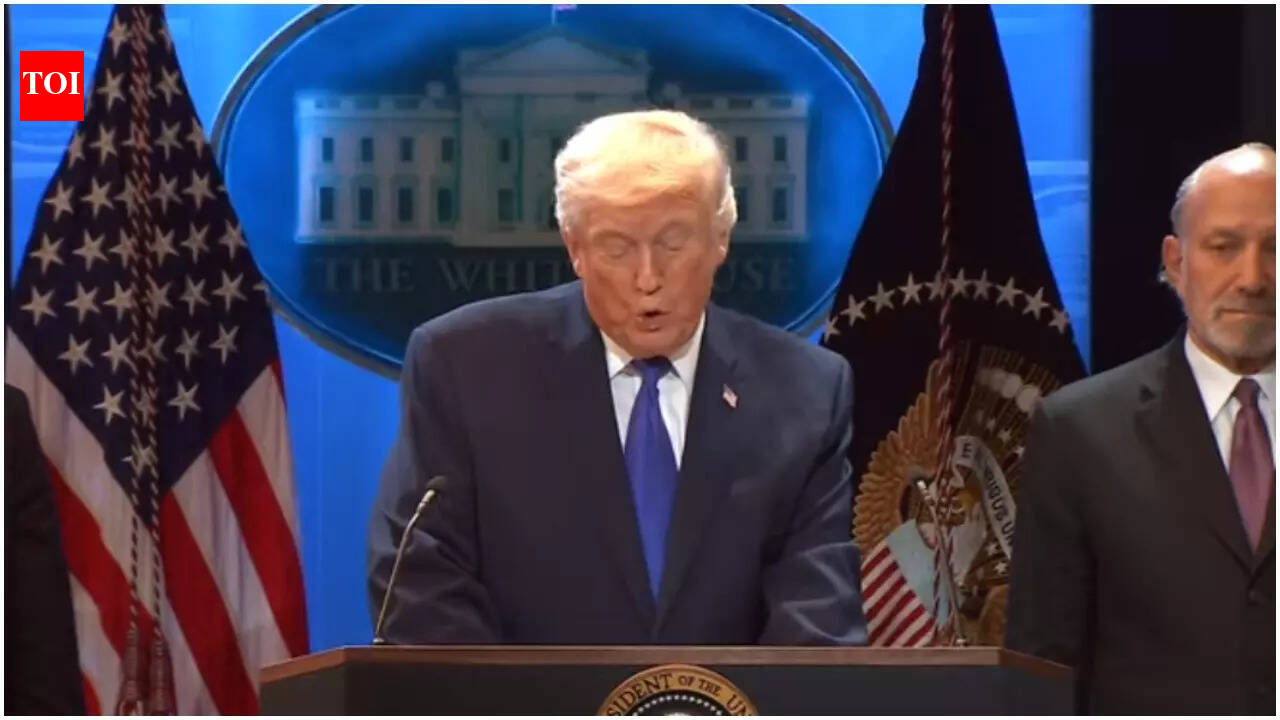
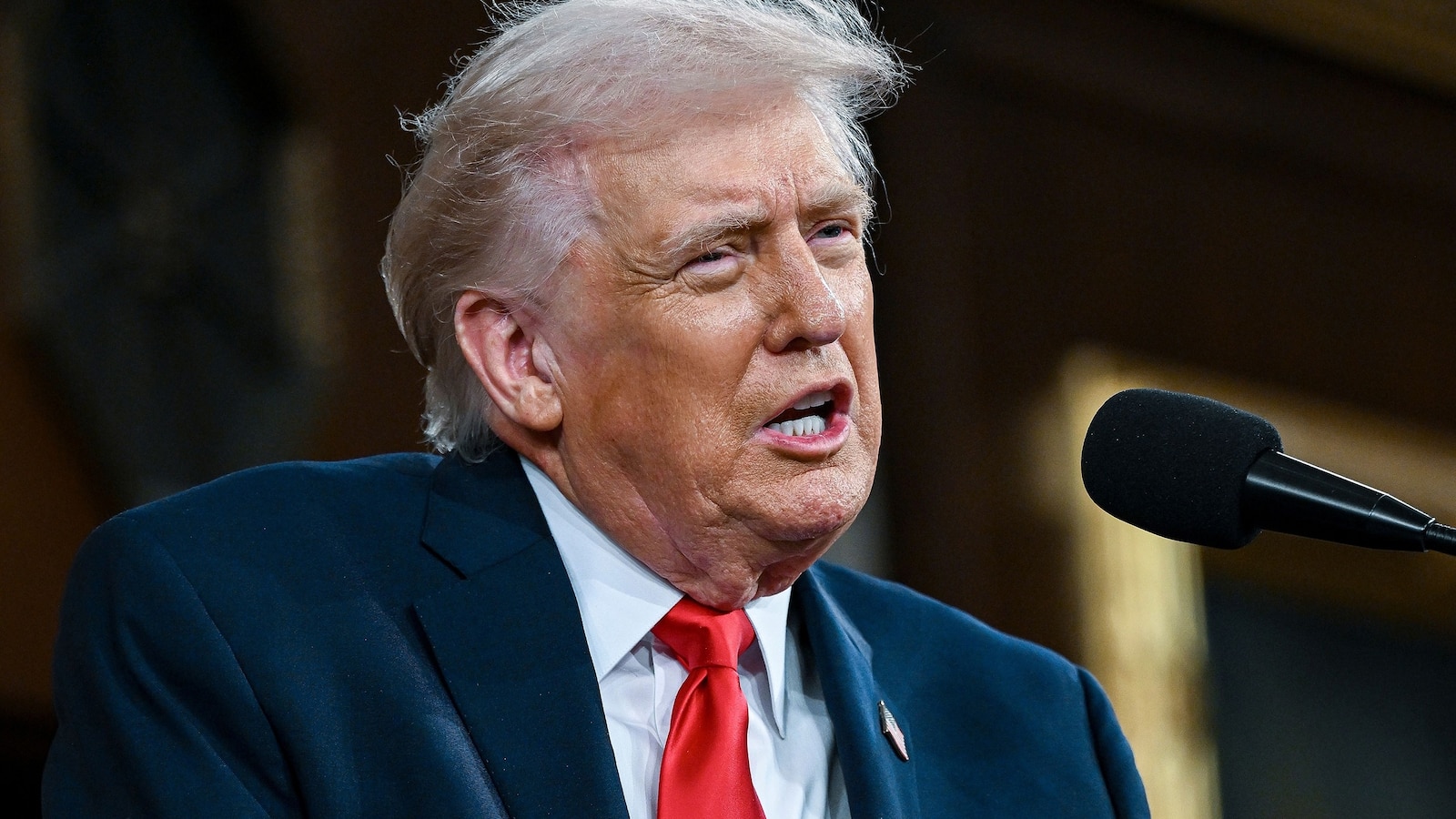
President Donald Trump has received a formal briefing from the top U.S. Middle East commander regarding potential military options against Iran. The briefing comes amid internal discussions where senior advisors have expressed a preference for Israel to take the initial lead in any kinetic action. The administration is currently evaluating these strategies while considering the implications of a prolonged regional conflict.
TL;DR
- The U.S. military command has presented official strike options against Iran to the President.
- Top White House advisors are advocating for an initial Israeli strike before direct U.S. military intervention.
- The briefing included detailed shadow war plans and potential outcomes for the Iranian leadership.
- The shift signifies an escalation in regional security planning and potential shift in defense posturing.
What Happened
The Commander of U.S. Central Command (CENTCOM) conducted a high-level briefing for President Trump to outline specific military contingencies regarding Iran. This meeting follows reports of heightened tensions in the Middle East and the development of a "shadow war plan." During these sessions, advisors within the White House indicated that they would prefer an Israeli-led operation as a precursor to any American involvement. Vice President JD Vance has simultaneously issued warnings regarding the risks of entering a long-term conflict in the region.
Key Developments
The primary development is the formal presentation of kinetic options by military leadership to the executive branch. Internal reports suggest that the administration is weighing the benefits of a proxy-first approach, where Israel conducts initial strikes on Iranian infrastructure. Official statements emphasize that while military preparedness is being prioritized, the administration remains cognizant of the public's desire to avoid another "forever war." These briefings represent a concrete move from theoretical planning to actionable military readiness.
Why This Matters
This matters because it indicates a formal transition in U.S. foreign policy toward active military contingency planning for Iran. The preference for an Israeli-led start suggests a strategy aimed at reducing direct U.S. casualties while maintaining pressure on the Iranian regime. It also signals to regional allies and adversaries that the White House is preparing for potential escalation in the near term.
What Happens Next
The administration is expected to continue consultations with Israeli leadership to align military objectives. Further briefings are scheduled to refine the tactical details of the presented options. Any immediate movement will depend on Iranian regional activity and the finalized consensus between the White House and the Department of Defense.
FAQ
Did the U.S. declare war on Iran?
No, there has been no declaration of war. The President was briefed on available military options as part of standard defense contingency planning.
What is the Israeli role in these plans?
Reports indicate that White House advisors prefer for Israel to conduct the initial strikes against Iranian targets before the U.S. takes direct action.
Is the U.S. planning a long-term war?
Vice President JD Vance has publicly warned against long-term engagements, suggesting the administration is seeking focused, short-term military outcomes rather than a protracted conflict.
Who briefed the President on these options?
The top U.S. commander for the Middle East provided the briefing, presenting the current military capabilities and strategic pathways available to the executive branch.