Frida Baby Thermometer Brand at Center of Marketing Backlash
A well-known babycare brand, often associated with practical parenting tools like thermometers and nasal aspirators, is facing nationwide criticism over its marketing language. The controversy centers on accusations that some of its product packaging and social media promotions used sexual innuendo or humor that parents found inappropriate for infant-related products. As the discussion grows, the issue has expanded beyond one product to broader questions about tone, branding, and boundaries in baby marketing.
Main Topic Overview
Frida Baby is widely recognized in the United States for products designed to address everyday parenting challenges, including thermometers, nasal aspirators, and postpartum recovery items. Its branding has historically leaned on bold, humorous, and sometimes edgy language to stand out in a competitive market.
Recent criticism suggests that this approach may have crossed a line for some consumers. Parents and advocacy voices argue that certain phrases used on packaging and in digital campaigns included sexual undertones that felt out of place in the context of infant health and hygiene products. In response, calls for boycotts and online backlash have emerged, prompting broader industry reflection on how far humor can go in family-focused marketing.
News Coverage
Babycare brand under fire after being accused of sexualizing marketing phrases

Coverage from KOMO outlines how the company faced criticism after social media users highlighted phrases they considered suggestive or inappropriate. The report focuses on reactions from parents who felt the tone conflicted with the sensitive nature of infant care products.
The article connects the controversy to broader consumer expectations in the parenting market, where trust and appropriateness are often central to brand loyalty. It emphasizes that while humor can differentiate a brand, misjudging audience comfort levels may lead to reputational risks.
Popular baby brand accused of ‘disgusting’ and ‘sexual’ marketing tactics after backlash: ‘This is absolutely appalling’

The New York Post highlights strong language from critics who described the marketing as offensive. The piece details how specific packaging and promotional copy triggered backlash, particularly among parents who expect infant brands to maintain a more neutral tone.
By presenting reactions and examples of the disputed language, the report illustrates how quickly brand messaging can become a flashpoint. It also underscores the tension between edgy branding strategies and the sensitivities associated with baby products.
FridaBaby under fire for ‘disgusting’ sexual jokes on packaging, parents call for boycott

Syracuse.com reports on organized calls for a boycott, showing how consumer dissatisfaction has moved beyond online criticism. The coverage highlights parents who believe the marketing language undermines the seriousness of infant health tools such as thermometers and hygiene devices.
This angle demonstrates how brand controversies can shift from social media debate to real purchasing decisions. It also reflects the growing influence of parent communities in shaping corporate responses.
Frida Baby Faces Backlash After Sexual Joke About Kids Product

Newsweek’s reporting situates the controversy within a larger discussion about brand voice. The article examines how a single joke or phrase can trigger widespread scrutiny when it relates to children’s products.
By exploring both criticism and the company’s past branding style, the coverage helps explain why this moment is resonating. It suggests that the brand’s established use of bold humor may now be facing limits in a shifting consumer climate.
Frida Baby faces backlash over the use of sexual innuendos in marketing
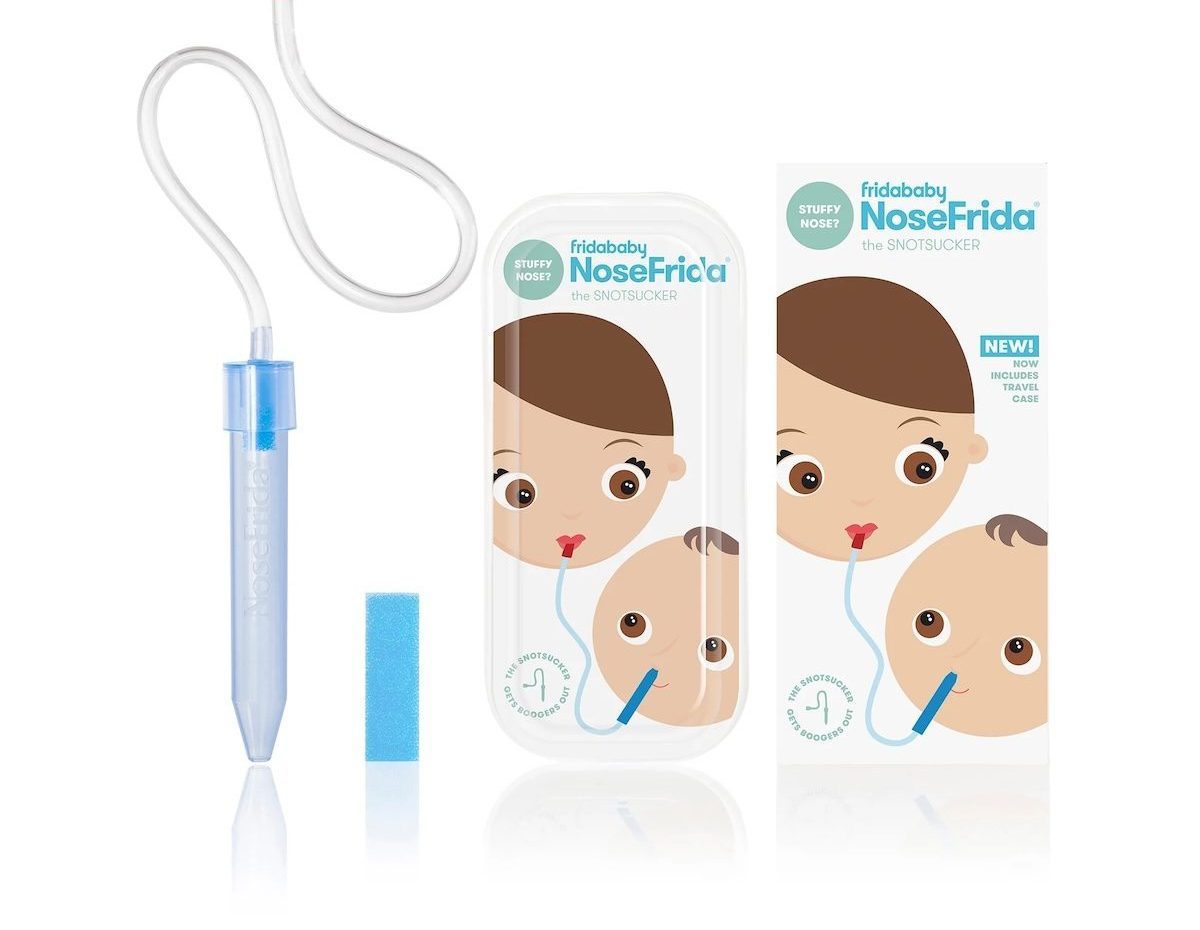
Modern Retail takes an industry-focused approach, analyzing how the controversy may impact brand positioning and retail relationships. The report looks at how companies that rely on provocative branding balance attention-grabbing language with family-oriented expectations.
This perspective expands the discussion beyond consumer outrage, framing it as a case study in marketing risk management. It highlights how retailers and partners may also assess reputational considerations when controversies arise.
Summary / Insights
Across multiple outlets, the central theme remains consistent: a clash between edgy marketing language and parental expectations for infant-focused brands. While some consumers view bold humor as part of the brand’s identity, others argue that sexual undertones are incompatible with products like baby thermometers and hygiene tools.
The situation reflects broader shifts in consumer sensitivity and the speed at which online criticism can influence brand perception. Retail analysts note that trust plays a critical role in babycare purchasing decisions, meaning messaging missteps can have outsized effects.
Whether the controversy results in lasting change will likely depend on how the company responds and how consumers ultimately weigh brand personality against product utility. For now, the debate underscores the fine line between memorable marketing and perceived overreach.
TL;DR
Frida Baby is facing backlash over marketing language some parents consider inappropriate for infant products like thermometers. News coverage highlights consumer criticism, boycott calls, and broader questions about brand tone in the babycare market.