Monster Hunter Wilds DLC FPS Controversy: Why Buying More Content Can Mean Better Performance
Monster Hunter Wilds’ PC launch has taken an unexpected turn in the US gaming conversation, not because of monsters or mechanics, but because of frame rates. Over a single January week, players, modders, and tech analysts began noticing a strange pattern: installing more paid DLC appeared to improve performance. What followed was a fast-moving debate about DRM checks, microtransactions, and how background systems can quietly shape the way a game runs.
Main Topic Overview
The core of the issue centers on how Monster Hunter Wilds handles downloadable content checks on PC. Multiple reports suggest the game continuously verifies owned DLC in the background. When those checks are frequent or inefficient, they can consume CPU resources, reducing overall FPS. Ironically, players who own all DLC face fewer repeated checks, which may explain why their systems show smoother performance.
This phenomenon quickly gained traction on forums and social media, partly because it challenges long-held assumptions. Traditionally, additional content adds overhead; here, ownership appears to reduce it. The situation echoes past PC controversies where anti-tamper systems or background services created unintended performance penalties.
News Coverage
Poor Monster Hunter Wilds Performance Chalked Up to Aggressive DLC Checks

TechPowerUp framed the issue as a technical bottleneck rather than a design choice. Their analysis points to aggressive, repeated DLC entitlement checks that run during gameplay. These checks appear to tax CPU threads that would otherwise handle rendering and simulation. The article connects this behavior to broader DRM discussions, noting that performance costs often surface only after launch, when real-world hardware combinations reveal hidden inefficiencies.
One player discovered a reason for Monster Hunter Wilds' PC woes: microtransactions
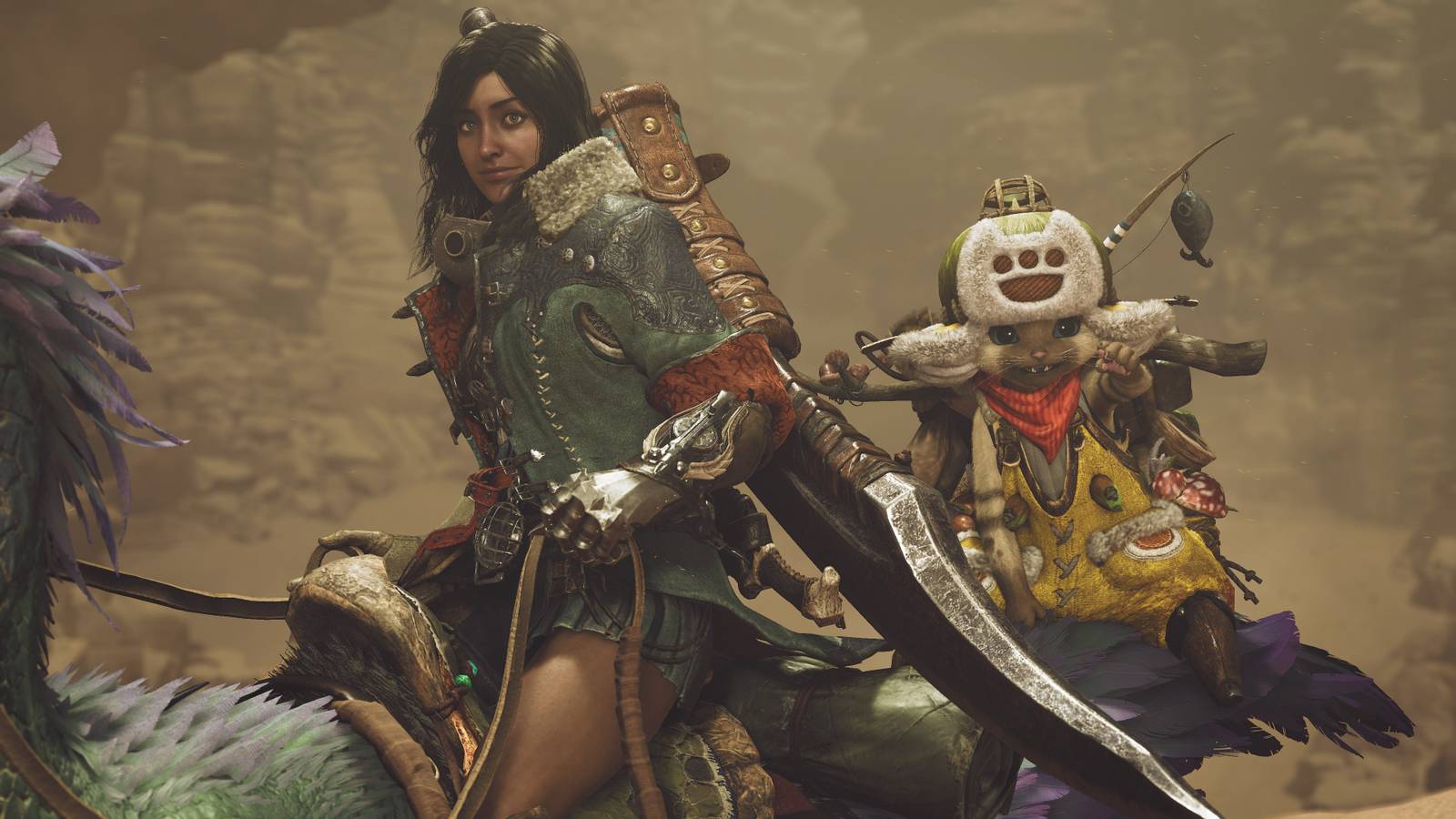
Polygon highlighted the player-driven discovery that linked performance drops to microtransaction systems. The piece emphasizes community experimentation, where users compared frame rates before and after installing DLC packs. Rather than accusing developers of intent, Polygon situates the issue within a wider industry trend where monetization systems add unseen complexity to PC ports, sometimes with measurable technical side effects.
Buying all DLC for Monster Hunter Wilds unlocks twice the FPS performance
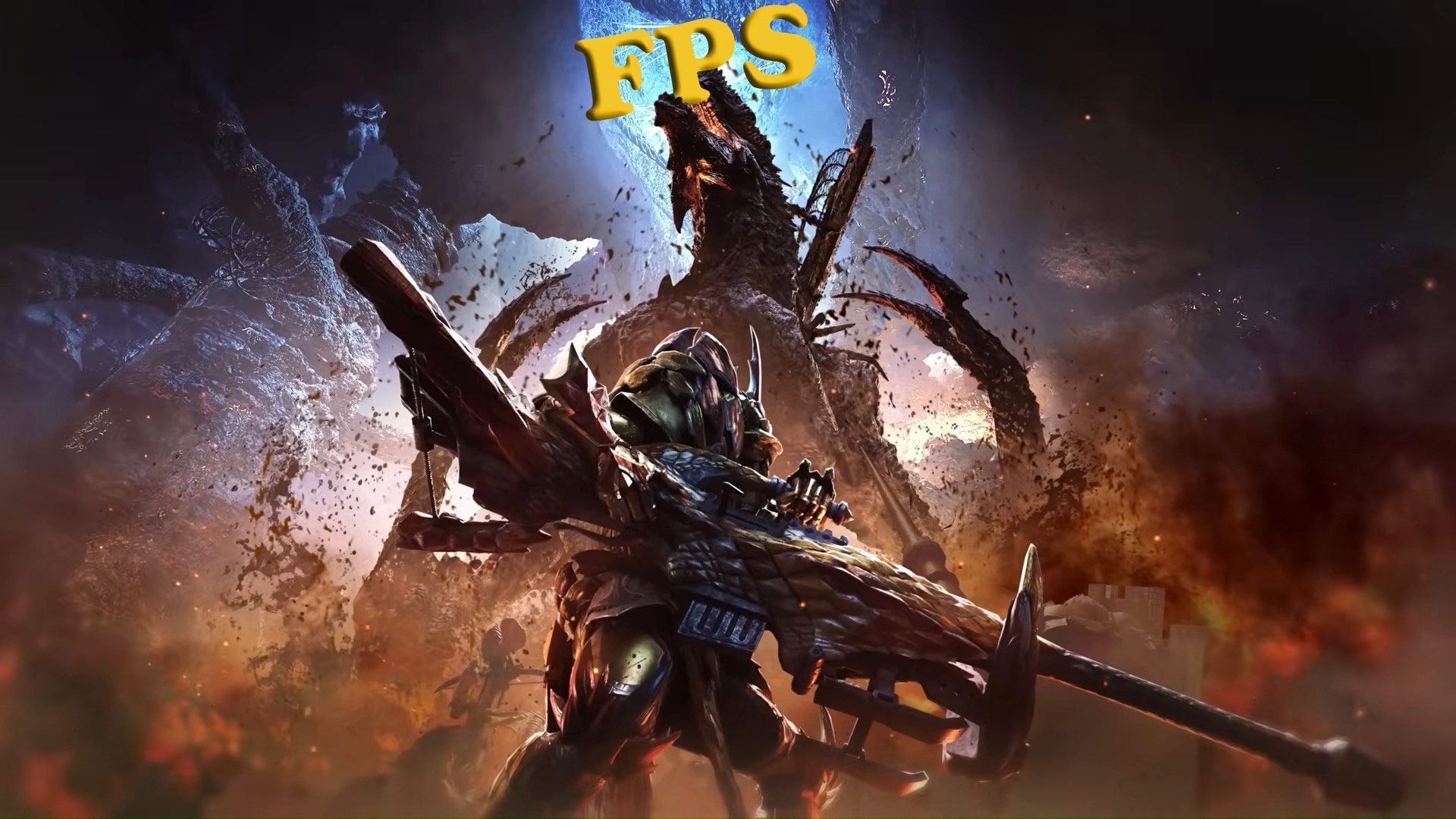
Tom’s Hardware focused on benchmarking and reproducible testing. Their findings suggest dramatic FPS gains in specific scenarios when all DLC is installed, though results varied by system. The article carefully avoids sensational conclusions, stressing that the behavior appears accidental. It also raises questions about how entitlement systems scale when dozens of optional items are checked individually.
‘The game literally flies’: Monster Hunter Wilds reportedly runs much better on PC when all DLC is installed
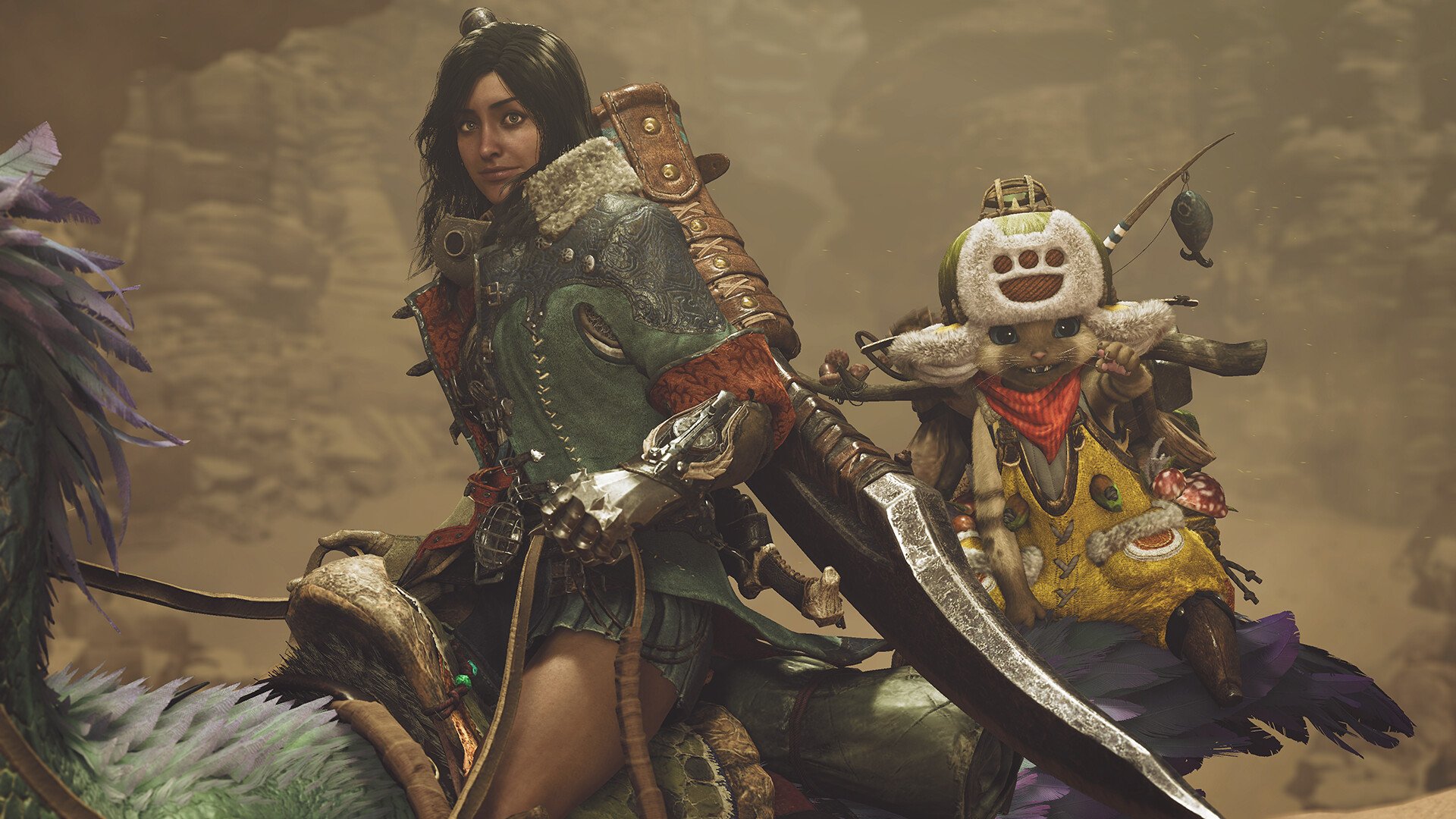
Video Games Chronicle captured the emotional side of the story, quoting players who described dramatic improvements. The coverage reflects how quickly anecdotal reports can shape perception, especially when they align with measurable data. At the same time, the outlet notes that such gains are inconsistent, reinforcing the idea that this is a systemic quirk rather than a universal rule.
Monster Hunter devs announce next PC performance patch release time
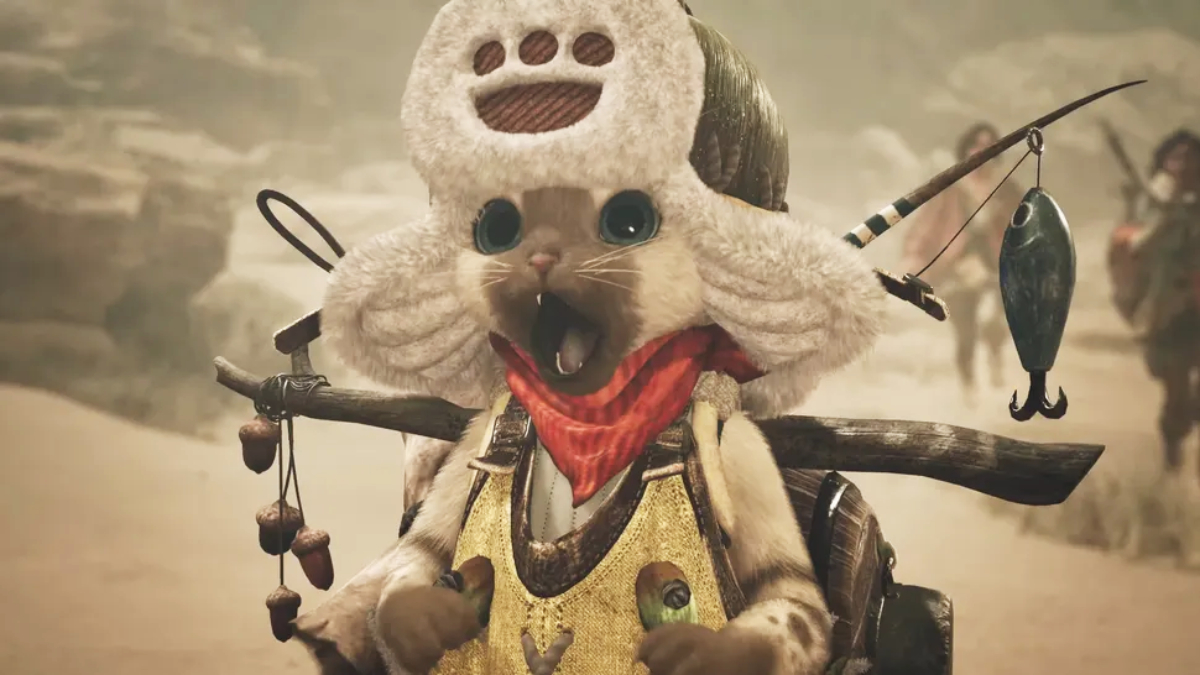
PC Guide shifted attention toward the official response. Developers acknowledged the DLC-related performance issue and outlined a forthcoming patch aimed at optimizing background checks. The announcement suggests awareness rather than defensiveness, aligning with past instances where PC-specific fixes followed community-driven discoveries.
One Modder Almost Doubled Monster Hunter Wilds’ Performance

DSOGaming examined a community mod that reduced or bypassed certain background checks. The resulting performance gains reinforced the theory that non-rendering processes were the main constraint. Historically, similar mods have exposed bottlenecks later addressed officially, placing this case within a familiar PC gaming pattern.
I installed DLC additions to Monster Hunter Wilds to see if it improves the performance

PC Gamer offered a hands-on perspective, testing the DLC theory on a single rig. Results showed modest improvements rather than dramatic leaps, underscoring hardware variability. This measured approach adds balance to the conversation, reminding readers that not all systems experience the issue in the same way.
Apparently, not owning enough DLC makes Monster Hunter Wilds worse on PC
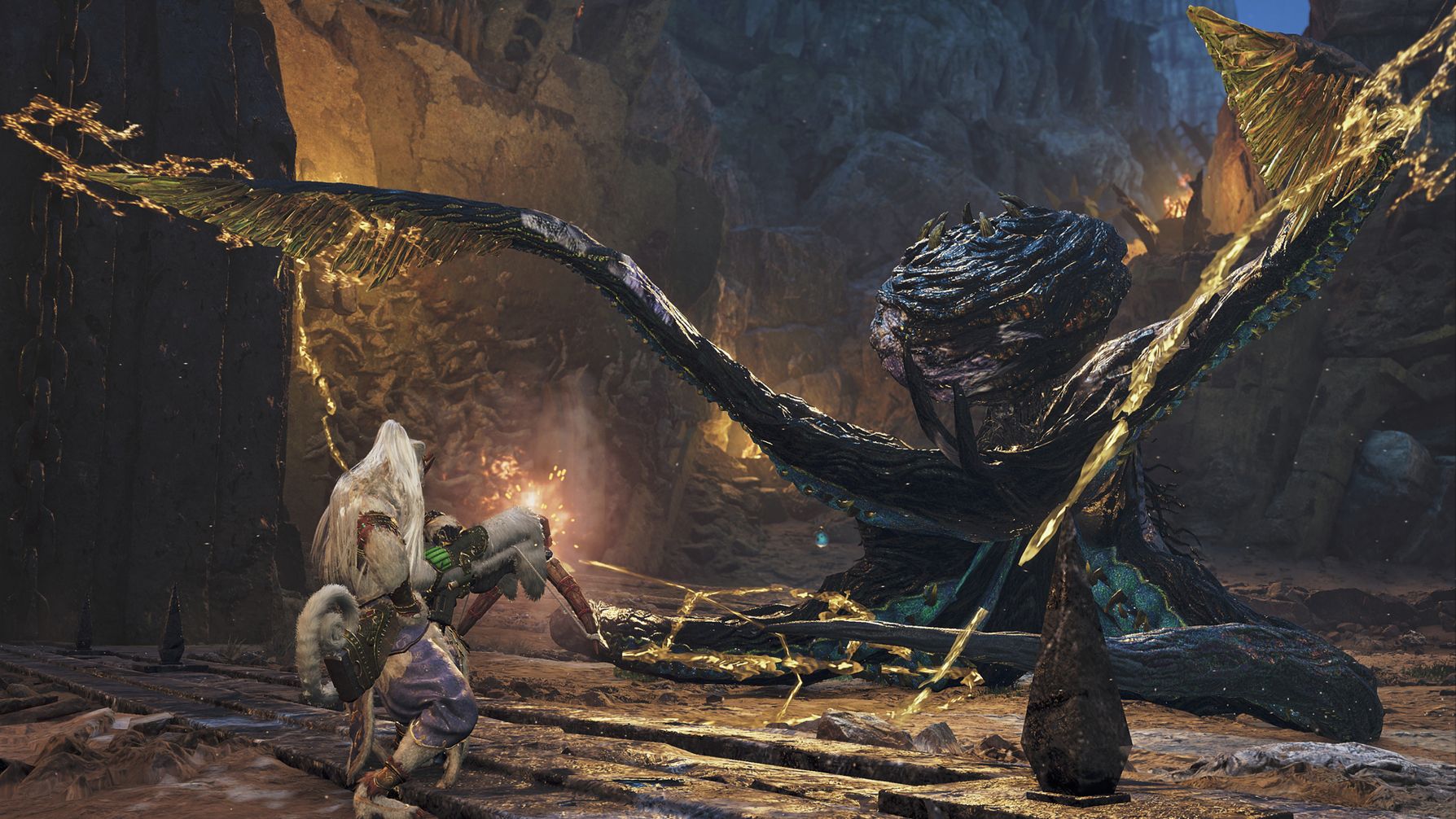
Windows Central framed the situation as a cautionary tale about unintended incentives. While the headline highlights the irony, the article itself remains careful, emphasizing that the effect is likely a bug rather than design. It also situates the issue within ongoing debates about PC optimization in cross-platform releases.
Wild Theory Explains Why Monster Hunter Wilds Is Busted On PC

Kotaku leaned into speculative analysis, connecting player reports, mod findings, and historical DRM cases. While clearly labeled as theory, the piece adds narrative context, recalling similar launch issues in other major PC titles. This broader lens helps readers understand why such problems recur despite evolving hardware.
Monster Hunter Wilds' PC performance might stand to be improved by limiting DLC checks

Rock Paper Shotgun offered a tempered conclusion, noting that reducing DLC checks could help but may not solve every performance issue. The article emphasizes complexity, pointing out that PC performance depends on many interacting systems. This perspective reinforces the idea that the DLC bug is a factor, not a single cause.
Summary / Insights
Taken together, coverage shows a rare convergence of player discovery, technical analysis, and developer response. The DLC-FPS connection appears to be an unintended side effect of background entitlement checks rather than deliberate monetization pressure. Historically, similar PC issues have been resolved through patches once identified. The coming updates will likely determine whether Monster Hunter Wilds becomes another cautionary launch story or an example of responsive post-release support.