Kuwait and Saudi Arabia Issue Urgent Recall of Contaminated Baby Formula Batches
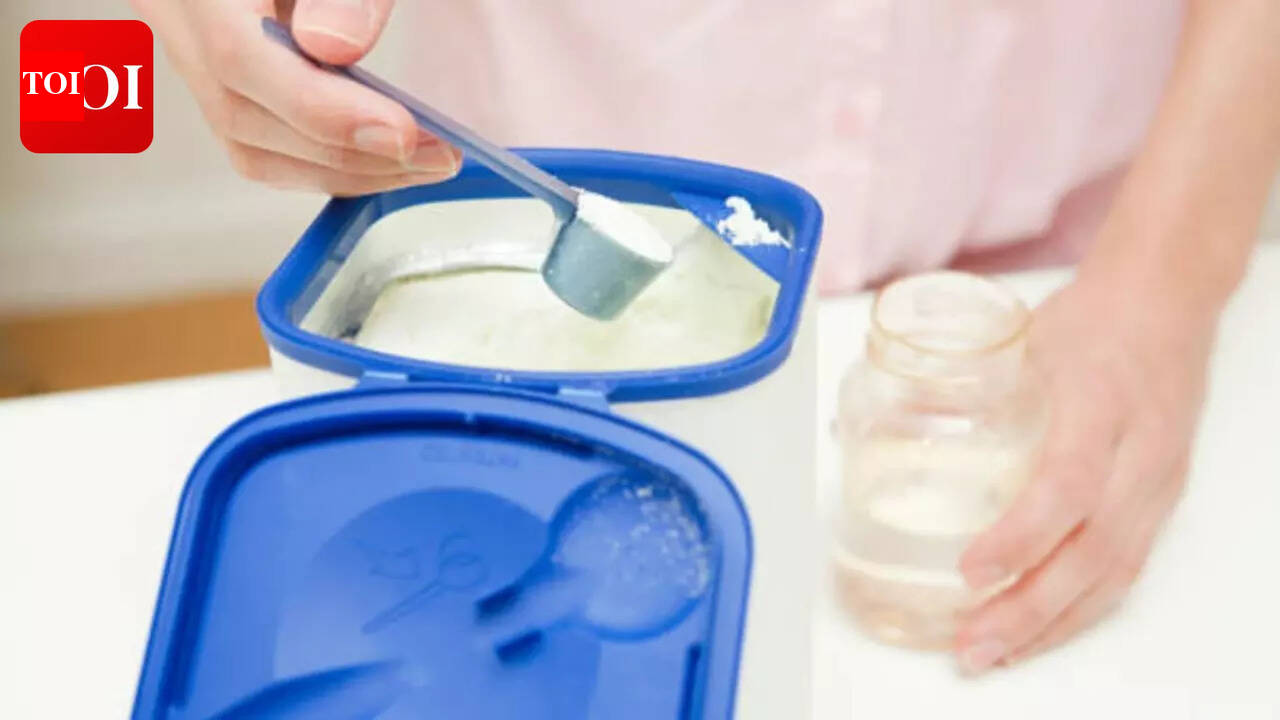
Kuwait and Saudi Arabia have initiated an urgent recall of specific infant formula products due to potential contamination risks. The health authorities in both nations identified specific batches of Bebelac and Aptamil as non-compliant with safety standards. This coordinated action aims to prevent further distribution and consumption of the affected products following international alerts regarding ingredient safety.

TL;DR
- Kuwait and Saudi Arabia recalled Aptamil and Bebelac formula batches.
- The recall is a precautionary measure following reports of potential toxins.
- Retailers have been ordered to remove affected stock immediately.
- The action is part of a broader global tighten-up on formula ingredient safety.
What Happened
In February 2026, health regulatory bodies in Kuwait and Saudi Arabia issued simultaneous directives to withdraw several batches of infant formula from the market. The recall specifically targets products manufactured by Danone, including the Bebelac and Aptamil brands. This decision followed internal testing and international notifications regarding the presence of unauthorized substances or potential toxins in the supply chain. The recall covers specific batch numbers and expiration dates that were distributed across the Gulf region.
Key Developments
The Saudi Food and Drug Authority (SFDA) published a list of contaminated batch numbers, warning parents to stop using the products immediately. Concurrently, Kuwait's Ministry of Health deployed inspectors to pharmacies and supermarkets to ensure the products were removed from shelves. These actions coincide with the European Union tightening import controls on specific ingredients sourced from China that are used in these formulas. Regulatory bodies in Nigeria and Jordan have also issued similar clarifications and alerts, indicating a multi-regional response to the safety concern.
Why This Matters
Infant formula is the primary source of nutrition for non-breastfed infants, making product purity a critical public health priority. The presence of toxins or contaminants in these products poses a high risk of acute illness or long-term developmental issues in children. This recall highlights the reliance on global supply chains for formula ingredients and the immediate impact that regional safety failures can have on international markets.
What Happens Next
Distributors in Kuwait and Saudi Arabia are required to complete the withdrawal of all affected batches and provide reports to the health ministries. Consumers who have purchased the recalled products are eligible for full refunds at the point of sale. Regulatory agencies are expected to conduct expanded testing on subsequent shipments of infant formula before they are cleared for retail distribution.
FAQ
Which baby formula brands are being recalled in Kuwait?
The recall primarily affects specific batches of Aptamil and Bebelac infant formula. Consumers should check the batch numbers on the bottom of the tin against the lists provided by the Ministry of Health.
Is it safe to use other batches of the same formula?
Health authorities state that only the specific batch numbers listed in the official recall notice are considered at risk. Batches not included in the list are currently cleared for consumption.
What should I do if my child consumed the recalled formula?
If an infant shows symptoms of illness after consuming the recalled product, parents should seek medical attention immediately. Health officials recommend monitoring for digestive distress or unusual lethargy.
How do I get a refund for the recalled product?
Consumers can return the affected tins to the pharmacy or supermarket where they were purchased. Retailers are mandated to provide a refund or an exchange for a safe batch.