Appeals Courts Reinforce Trump-Era Immigration Detention Rules
Federal appeals court rulings are drawing renewed attention to immigration detention policies first implemented during the Trump administration. Recent decisions have upheld the government’s authority to hold certain immigrants in detention without automatic bond hearings, reviving legal debates over due process, executive power, and the limits of judicial oversight. These rulings matter now because they shape how immigration law is applied across large parts of the United States and affect thousands of detainees currently in federal custody.
Main Topic Overview
The core issue centers on whether immigrants detained under specific federal statutes are entitled to bond hearings while their cases proceed. Trump-era policies interpreted immigration law as requiring mandatory detention for certain categories of immigrants, limiting the ability of judges to grant release. While some lower courts previously challenged this interpretation, recent appeals court decisions have largely sided with the federal government, reinforcing a stricter reading of detention requirements.
News Coverage
Appeals court endorses Trump policy of holding many ICE detainees without bond hearings

This report explains how a federal appeals court concluded that immigration law allows ICE to detain many immigrants without providing bond hearings. The court emphasized statutory language that it said leaves little discretion for judges once detention criteria are met. This decision reinforces the Trump administration’s legal position and signals that similar challenges may face difficulty in other jurisdictions, strengthening the government’s hand in detention cases nationwide.
U.S. appeals court upholds Trump's immigration detention policy

NBC News focuses on the broader implications of the ruling, noting that it preserves a policy framework established years earlier. Legal experts cited in the coverage describe the decision as a continuation of earlier Supreme Court reasoning on immigration detention. The article connects the ruling to ongoing disputes over migrants’ rights and the balance between immigration enforcement and constitutional protections.
Fifth Circuit Sides With Trump on Immigrant Detention Law

Bloomberg Law provides a detailed legal analysis of the Fifth Circuit’s reasoning. The court relied heavily on statutory interpretation, rejecting arguments that prolonged detention without bond hearings violates due process. This coverage highlights how appellate courts are shaping immigration enforcement by narrowing the circumstances under which detainees can seek release.
Federal appeals court gives Trump a win on immigration detention policy
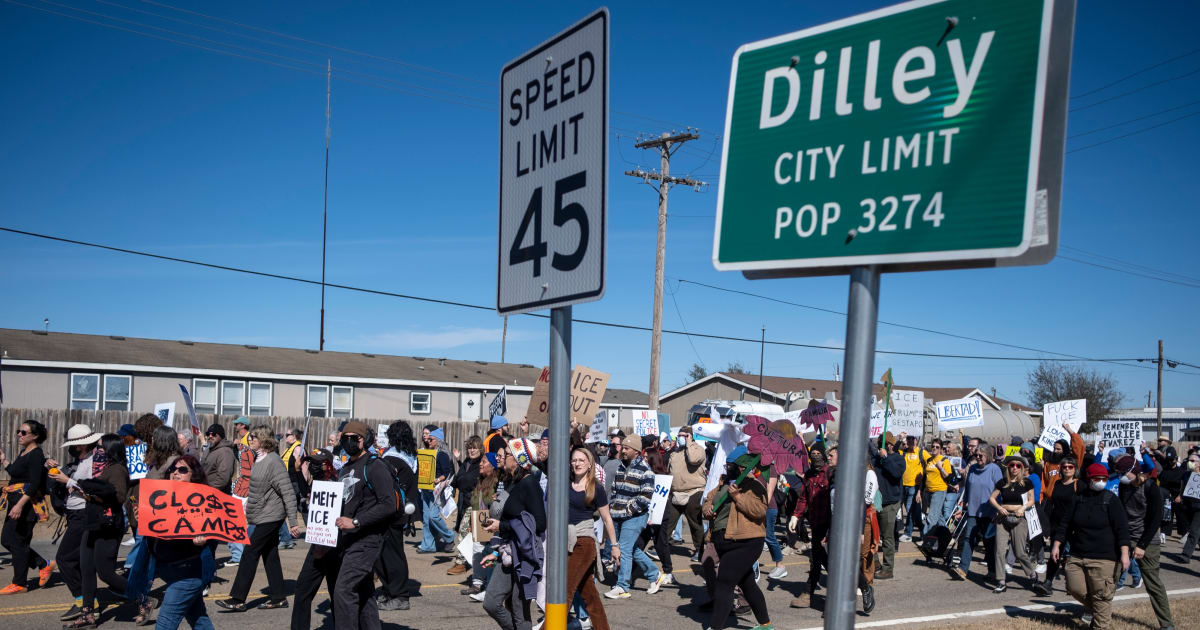
This article frames the ruling as part of a larger political and legal legacy of Trump-era immigration policies. It notes reactions from advocacy groups and legal scholars who argue the decisions will have lasting consequences for immigrant communities. The coverage situates the ruling within ongoing national debates over detention practices and judicial oversight.
The Fifth Circuit Jumps the Immigration Detention Shark
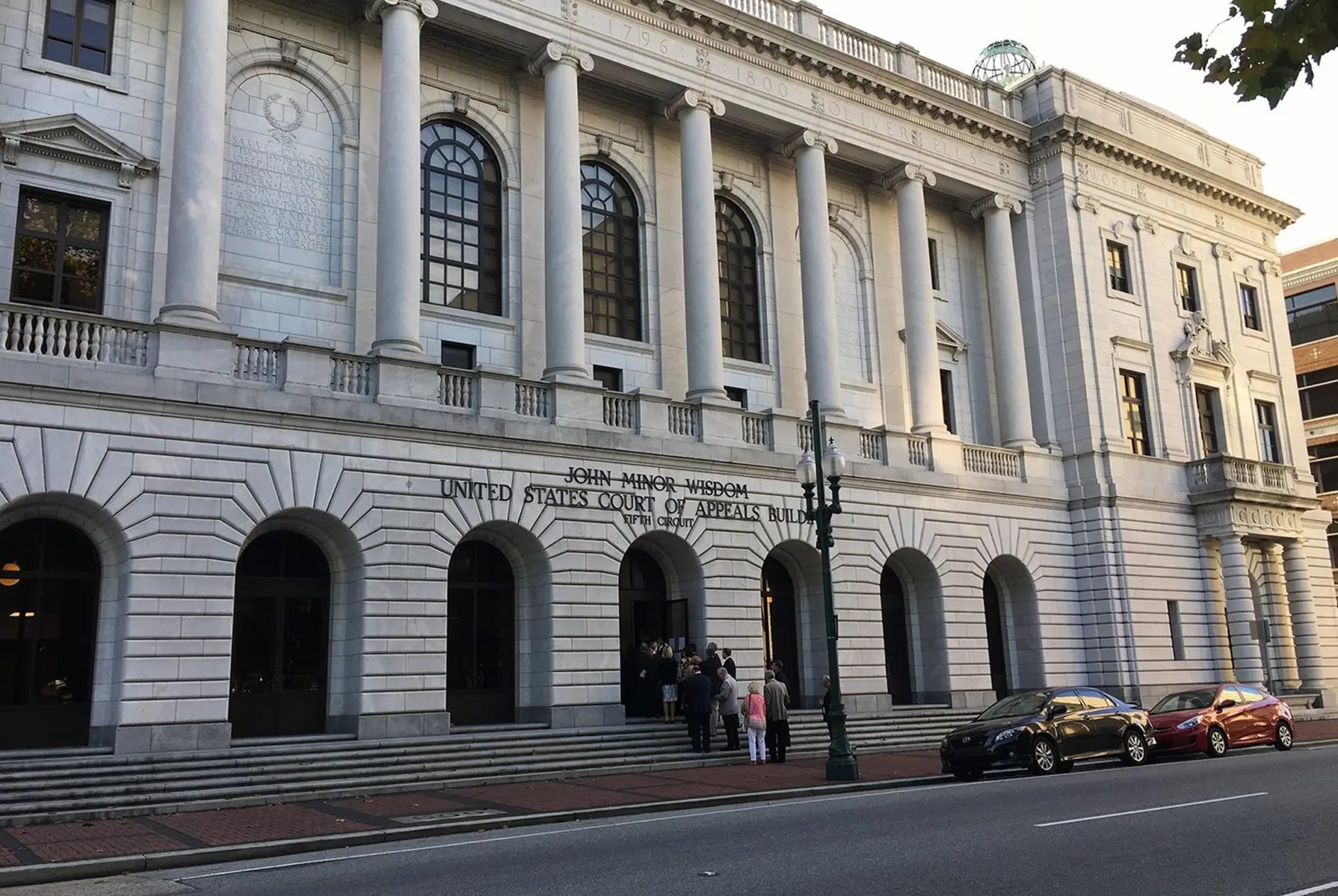
This commentary offers a critical legal perspective, arguing that the Fifth Circuit’s interpretation stretches immigration statutes beyond their intended limits. While opinion-based, it provides context on how legal scholars view the ruling as a departure from prior norms. The piece helps readers understand why the decisions are controversial within legal circles.
Federal judge in Georgia calls out ICE for continuing to deny bond hearings

This coverage highlights tension between appellate rulings and district-level responses. A federal judge criticized ICE practices, suggesting that agency actions may exceed what the law requires. The article shows how, despite appellate decisions, disputes over implementation continue at lower court levels.
Fight to release hundreds of detained immigrants returns to federal appeals court in Chicago

This report underscores that legal challenges are ongoing despite recent rulings. Attorneys representing detainees continue to seek relief through appeals, arguing that prolonged detention raises constitutional concerns. The case illustrates how the broader trend remains unsettled, with future court decisions likely to further define detention limits.
Summary / Insights
Across multiple rulings, federal appeals courts are reinforcing a strict interpretation of immigration detention law rooted in Trump-era policies. While supporters argue these decisions reflect clear statutory mandates, critics raise concerns about due process and prolonged detention. The trend highlights an ongoing legal balancing act between enforcement authority and individual rights, with further litigation likely to continue shaping immigration policy.