The Appointment of Chamberlain Harris to the Commission of Fine Arts
A significant shift is occurring within the oversight of federal architecture and design as President Donald Trump fills the U.S. Commission of Fine Arts (CFA) with new appointees. At the center of this conversation is 26-year-old Chamberlain Harris, a longtime aide whose rapid ascent from a White House receptionist to a federal commissioner has sparked a nationwide debate. This trend reflects broader tensions regarding the qualifications required for federal advisory roles and the acceleration of major construction projects, such as the proposed $400 million White House ballroom, which the commission is tasked with reviewing.
Main Topic Overview
The U.S. Commission of Fine Arts, established in 1910, is a seven-member panel of experts responsible for advising the government on the design and "aesthetic propriety" of various projects in Washington, D.C. Historically, members have been prominent architects, urban planners, or landscape designers. However, the recent appointment of Chamberlain Harris has shifted the focus toward political loyalty and administrative proximity over traditional artistic credentials.
Harris, who previously served as the "Receptionist of the United States" and currently holds the title of Deputy Director of Oval Office Operations, is now one of the key figures who will decide the fate of the administration's ambitious urban planning goals. This includes a massive modernization of the White House East Wing and the construction of a new ballroom designed to seat nearly 1,000 guests. The timing of her appointment is crucial, as federal courts have recently mandated that these projects undergo rigorous CFA review before construction can proceed above ground.
News Coverage
Trump Picks His Ex-Receptionist for Top Ballroom Job
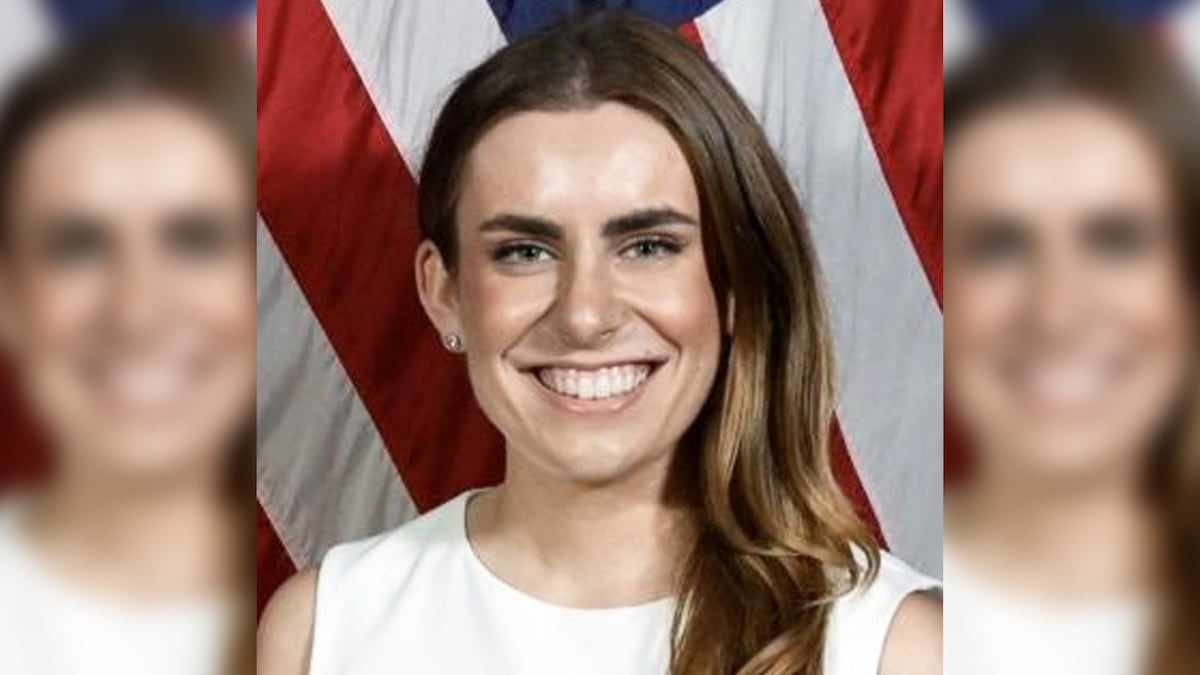
The coverage focuses on Harris's transition from a junior staff role to a position of significant oversight. Highlighting her age of 26, the report emphasizes that her primary qualification appears to be her longstanding professional relationship with the President rather than a background in the arts. This narrative connects to the broader trend by illustrating the administration's preference for trusted internal aides to manage complex projects that have faced legal and procedural hurdles, specifically the controversial White House ballroom expansion.
Who is Chamberlain Harris? Trump Picks Aide for Ballroom Construction Panel
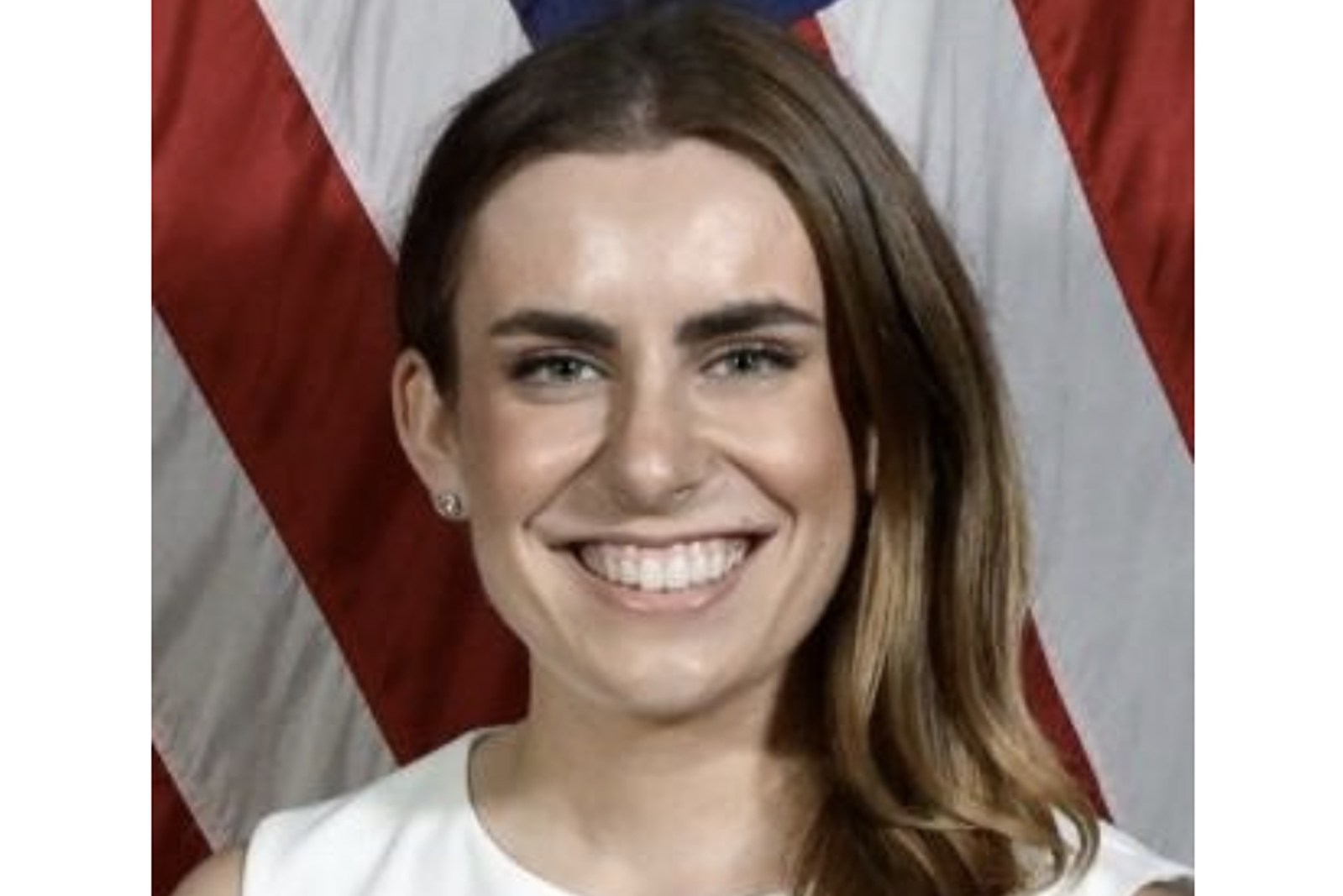
This analysis provides a deeper look into Harris’s academic and professional history, noting her 2019 degree in political science and her involvement in the administration's handling of documents during the post-presidency period. By detailing her role on the construction panel, the report explains how the appointment serves as a strategic move to ensure that the Commission of Fine Arts is populated by members who share the President's aesthetic and developmental vision. It underscores the trend of reshaping federal commissions to favor rapid development over traditional consensus-based review.
Trump Appoints Aide to Commission of Fine Arts Amid Credential Questions

Focusing on the perceived lack of professional expertise, this perspective argues that the appointment represents a break from the historical precedent of selecting "well-qualified judges of the fine arts." The analysis connects the Harris appointment to a wider strategy of bypassing or neutralizing regulatory agencies through the installation of loyalists. It positions the current debate not just as a matter of one individual's career, but as a potential precedent for how technical and advisory federal boards might be staffed in the future.
Critics Question Arts Credentials of New Appointee
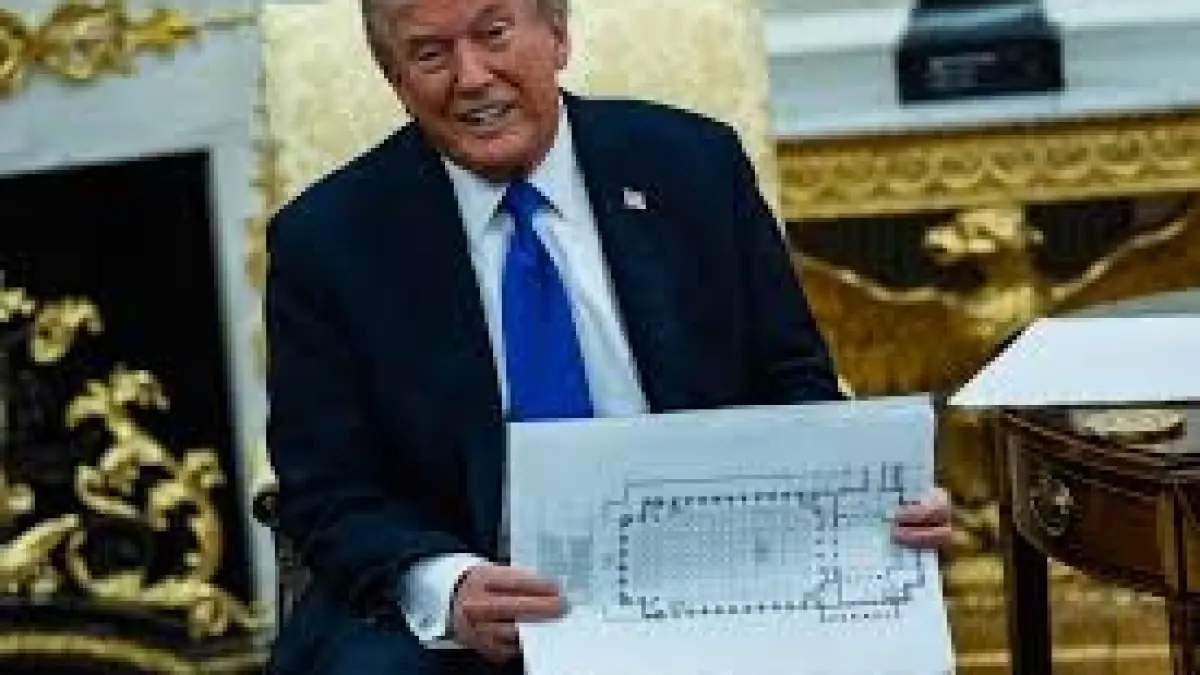
This report highlights the reaction from the architectural and historical preservation communities. It explains that the Commission of Fine Arts is currently tasked with reviewing high-stakes projects that will alter the skyline of the nation's capital for decades. By placing Harris on the panel, the administration is seen as prioritizing a "unique perspective" that aligns with the President's personal tastes. The coverage clarifies that the appointment is set to become official just as the commission reviews the specific engineering and aesthetic designs for the new ballroom project.
Summary / Insights
The rise of Chamberlain Harris within the federal advisory landscape signifies a shift in how political administrations utilize their appointment powers. While the White House characterizes Harris as a trusted advisor capable of executing a specific vision, critics view the move as an erosion of the expertise-based standards that have governed the Commission of Fine Arts for over a century.
- Loyalty vs. Expertise: The central conflict revolves around whether personal loyalty is a sufficient substitute for professional background in highly specialized advisory roles.
- Project Acceleration: The appointment appears timed to facilitate the approval of the $400 million White House ballroom, a project that has already faced significant legal challenges from preservationists.
- Institutional Precedent: This trend may lead to a permanent change in the nature of federal commissions, moving them away from independent review bodies and toward vehicles for executive policy implementation.
TL;DR
President Trump has appointed 26-year-old aide Chamberlain Harris to the Commission of Fine Arts. While the administration defends her as a loyal advisor who understands the President's vision, critics point to her lack of arts experience as she prepares to review a controversial $400 million White House ballroom project.
To better understand the architectural shifts and the specific scale of the proposed projects this commission oversees, you may find this context helpful: [Video on White House ballroom expansion plans](https://www.youtube.com/watch?v=3Tc8sRVsMf0). This video provides visual context for the multimillion-dollar ballroom project that the newly appointed commission is currently reviewing.