Why the Fourth Amendment Is Back at the Center of America’s Digital Privacy Debate
In January, a cluster of court decisions and Supreme Court developments pushed the Fourth Amendment back into the national spotlight. What connected them was not a single ruling, but a growing tension between traditional search-and-seizure principles and modern investigative tools built around smartphones, location data, and online activity. Taken together, these stories reveal a legal system once again testing how an 18th-century amendment applies to 21st-century technology.
This trend digest traces how multiple cases—some at the U.S. Supreme Court, others in state courts—are converging around the same question: where do constitutional privacy protections begin and end in a world of digital traces?
Main Topic Overview
The Fourth Amendment’s promise against unreasonable searches has been revisited repeatedly as technology has evolved, from wiretaps to GPS trackers to cellphone metadata. This isn’t the first time courts have struggled to draw clear boundaries. Previously, landmark rulings on cellphone searches and long-term tracking signaled that digital data can deserve heightened protection. The current wave of cases builds on those precedents, but introduces new complications tied to large-scale data collection and investigative shortcuts.
What makes this moment notable is the overlap in timing. As the Supreme Court agrees to hear disputes over geofence warrants—orders that can sweep up location data from many users at once—state courts are simultaneously narrowing or expanding when warrants are required in online criminal investigations. Together, these developments suggest the Fourth Amendment is entering another period of recalibration.
Internal link: none yet
News Coverage
Supreme Court takes up four new cases, including disputes on geofence warrants and Roundup weedkiller
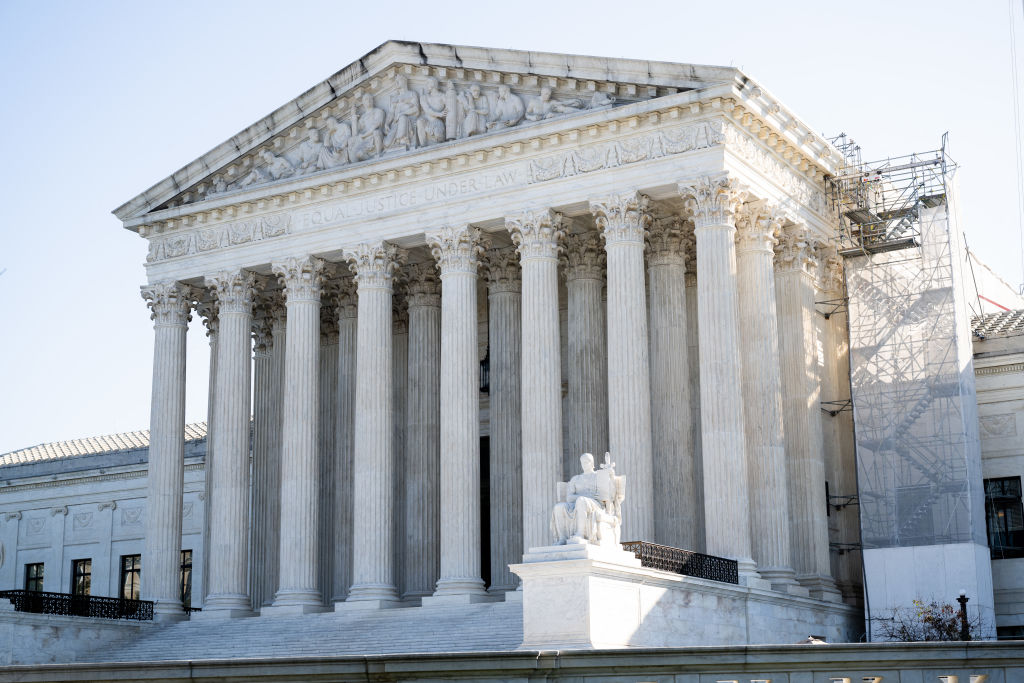
SCOTUSblog highlighted the Court’s decision to add geofence warrant cases to its docket, framing them as part of a broader set of disputes with wide-ranging implications. Geofence warrants allow law enforcement to request location data from all devices within a defined area, often before identifying a specific suspect. The article underscored why these cases matter: they test whether broad digital searches align with constitutional limits originally designed to prevent general warrants.
Within the larger trend, this coverage set the stage. By signaling that the Supreme Court is ready to address these questions directly, it raised expectations that clearer national standards may emerge—standards that could reshape how police use location data across the country.
Supreme Court will decide on use of warrants that collect the location history of cellphone users
AP News focused on the practical reach of the Supreme Court’s decision to hear cases involving historical cellphone location data. The reporting emphasized how such warrants can reveal detailed movement patterns, extending far beyond what officers could traditionally observe. Rather than framing the issue as abstract, the article connected it to everyday smartphone use, making clear how many Americans could be affected.
In the broader narrative, this piece helped translate legal doctrine into lived experience. It reinforced why the Fourth Amendment debate has moved from law journals into mainstream conversation: digital records are now inseparable from daily life.
Supreme Court will decide on use of warrants that collect the location history of cellphone users

This regional outlet republished the AP story, illustrating how the issue is filtering down to local audiences. The repetition itself is notable: when national wire stories are widely carried, it signals perceived relevance beyond legal specialists.
As part of the trend, this coverage shows how Fourth Amendment questions are no longer niche constitutional debates. They are increasingly framed as issues that could touch routine policing and ordinary citizens alike.
Supreme Court will decide on use of warrants that collect the location history of cellphone users
WRAL’s version of the story localized the issue for a broadcast audience, reinforcing how constitutional rulings can shape state-level law enforcement practices. By emphasizing the Court’s role in setting nationwide rules, the coverage linked abstract constitutional interpretation to day-to-day policing.
In the larger pattern, this reflects how media outlets are preparing audiences for potential ripple effects, depending on how the Supreme Court ultimately rules.
Warrant isn’t needed to start some child pornography investigations, Wisconsin Supreme Court rules

WBAY reported on a Wisconsin Supreme Court ruling that narrowed when a warrant is required at the early stages of certain online investigations. The decision drew attention because it appeared to carve out space where law enforcement could act without prior judicial approval.
In the context of the broader Fourth Amendment trend, this ruling illustrates the tension between protecting privacy and enabling investigations into serious crimes. It also shows how state courts are actively shaping constitutional interpretation alongside federal courts.
State Supreme Court rules 4th Amendment doesn’t apply in child porn case

This article expanded on the same Wisconsin decision, focusing on the court’s reasoning and its implications for evidence suppression. The framing highlighted how the court distinguished between private actions and government searches.
As part of the trend, it underscores a key theme: Fourth Amendment protections often hinge on fine distinctions, which can dramatically alter investigative boundaries depending on how courts draw them.
Wisconsin Supreme Court allows police to investigate online child porn without warrants

WGLR’s reporting reinforced how the same ruling was being interpreted for a general audience, emphasizing law enforcement authority rather than constitutional nuance. The repetition across outlets reflects public interest in how such decisions might affect future cases.
Within the overall narrative, this coverage adds to the sense that state-level interpretations are diverging, increasing pressure on federal courts to clarify standards.
Dockets on maximum overdrive: seventeen new relists involving ten issues
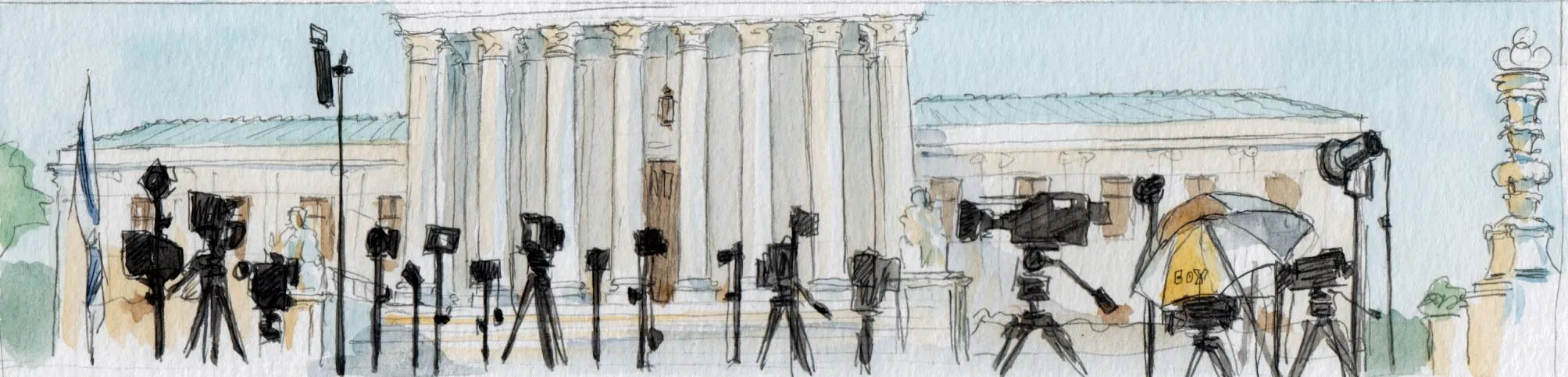
This SCOTUSblog analysis focused on the Court’s heavy docket, situating Fourth Amendment cases among a broader slate of unresolved legal questions. While not solely about search and seizure, it illustrated how privacy disputes are competing for attention at the highest level.
As part of the trend, the article suggests that timing matters: when many issues converge, the Court’s eventual decisions can have amplified impact.
The Supreme Court Gets Back to Work

The New Yorker took a broader, narrative approach, describing the Court’s return to active decision-making. While not focused exclusively on the Fourth Amendment, it provided cultural and institutional context for why these cases matter now.
In the larger storyline, this piece reminds readers that constitutional interpretation is shaped not just by doctrine, but by institutional rhythms and public expectations.
The Timing of Rulings in Argued Cases
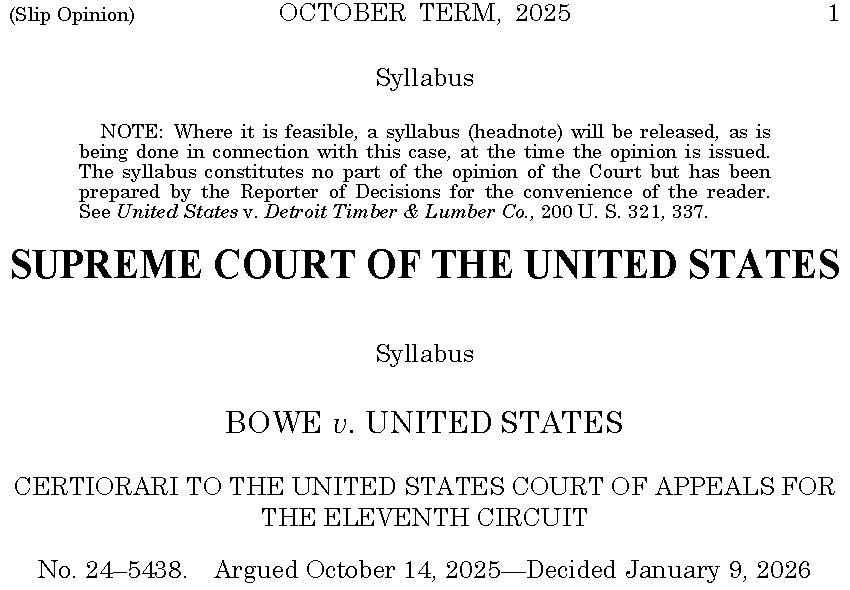
This analysis explored how and when Supreme Court decisions tend to be released, offering insight into the procedural side of constitutional law. While indirect, it adds context to the anticipation surrounding Fourth Amendment rulings.
Within the trend, it highlights why attention spikes even before decisions are issued: timing itself can influence public and institutional response.
Summary / Insights
Together, these stories show the Fourth Amendment in a moment of transition. At the federal level, the Supreme Court appears ready to clarify how far digital search powers can extend. At the state level, courts are issuing rulings that either narrow or expand warrant requirements, sometimes in ways that differ sharply.
The likely outcome is not a single sweeping answer, but a recalibration of standards around digital evidence. As technology continues to evolve, these cases suggest that Fourth Amendment interpretation will remain an active, contested space rather than a settled doctrine.
TL;DR
A wave of Supreme Court and state court cases has pushed the Fourth Amendment back into focus, highlighting growing tension between digital investigations and constitutional privacy limits.