Peloton Recalls Over 800,000 Bikes Amid Seat-Post Failures — What It Means
In early November 2025, Peloton shocked consumers and investors alike by announcing a massive recall of more than 800,000 exercise bikes due to a seat-post defect. This digest dives into what triggered the recall, how Peloton is responding, how the market is reacting and what lessons users should take away.
Main Topic Overview
Peloton’s recall isn’t just a product-safety headline — it touches supply-chain, brand reputation, financial forecasting and consumer trust. The core issue: a seat post on certain models may fail, causing a fall/injury risk. For a company built on at-home subscription fitness, the stakes are high. The sequence of news shows escalating concern: recall announcement, injury reports, promotional pivots, and investor commentary. For U.S. customers, especially holiday shoppers, this becomes a critical moment.
News Coverage
Peloton Just Recalled 800,000+ Exercise Bikes Over Seat Post Issues
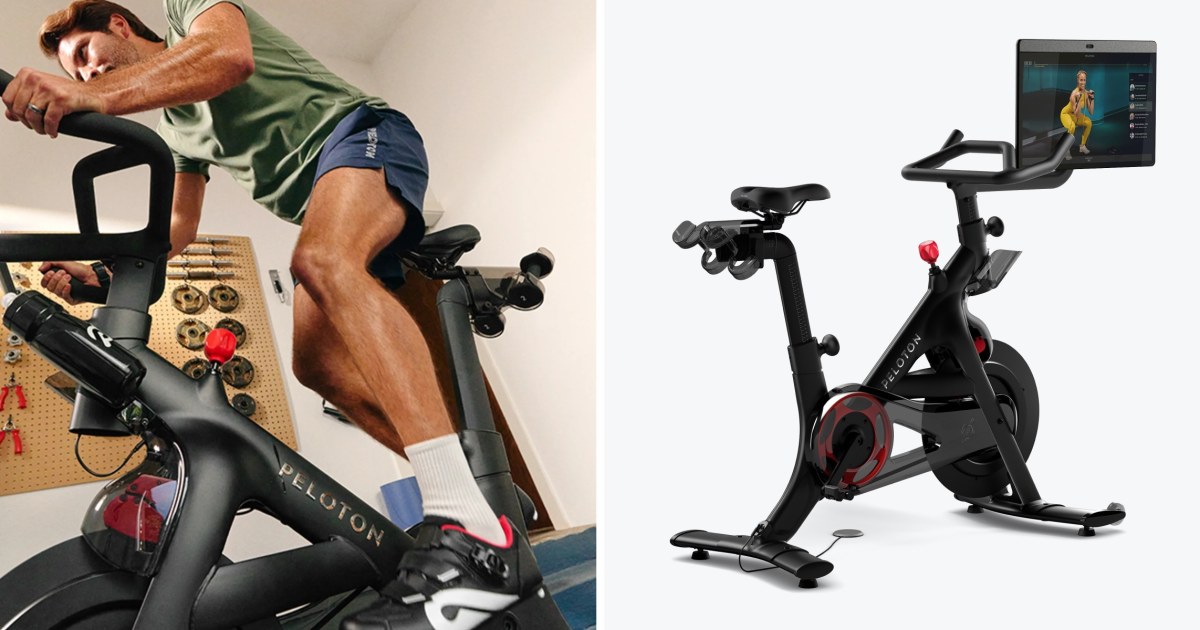
NBC News lays out the initial recall number — “800,000+” bikes — and emphasises the defect: seat-post may detach or collapse, posing a fall risk. The story flags that this recall affects a large portion of bikes sold in recent years, which raises questions about quality control and model identification for owners. It also places the recall in the consumer-fitness equipment context, a large home-gym market in the U.S. The tone reflects urgency, telling buyers to check whether their equipment is included.
Peloton recalls 833,000 more bikes over seat post issue, two injuries reported

CNBC deepens the recall story by specifying 833,000+ units and noting that at least two injuries have been reported. The article links the recall to financial ramifications: refund/repair costs, brand trust, and holiday-sales implications. Finance watchers see the recall as a potential headwind for Peloton’s holiday quarter. The article also emphasises that the seat-post failure had been flagged internally and may raise governance questions — connecting product safety to business risk.
Peloton Promotes New Equipment Amid Recall of Old Bikes

PYMNTS.com highlights Peloton’s strategy to pivot: while announcing the recall, the company is simultaneously pushing new models and accessories for holiday demand. This dual-track approach suggests Peloton is trying to diffuse risk by emphasising future growth rather than dwelling solely on the defect. The article suggests this may help salvage brand momentum, but warns that if customers interpret it as ignoring the safety issue, the backlash could deepen.
Maybe Peloton is its own worst enemy

The Verge takes a sharper tone, arguing Peloton may be undermining itself through aggressive expansion, product complexity and insufficient quality control. It links the recall to past criticisms: high price points, rapid model turnover and declining subscription growth. From a U.S. tech-culture perspective, the recall becomes emblematic: a trend where “smart fitness equipment” runs into hardware-reliability reality. This reflects a broader trend in connected fitness devices.
Peloton warns customers to immediately stop using bikes, recalls nearly 900,000 due to ‘fall and injury risk’
Cycling Weekly covers the immediate safety warning: Peloton urging users to stop using impacted bikes until they receive the repair or replacement. It emphasises the fall hazard and the number of units — “nearly 900,000”. For U.S. consumers, this raises immediate actionable concern: check your serial number, stop cycling, and await notification. The article also suggests that such widespread warnings can dent brand advocacy among home-gym users.
Peloton Recalls More Than 830,000 Bikes Nationwide for Injury Risk
:max_bytes(150000):strip_icc()/peloton-bike-recall-11.6-be29a12cd4d643948494d4ed3c8512d2.png)
Health.com frames the recall within the broader context of user-safety and home-exercise trends. It highlights that parents, solo users and shared-home households may be at risk if the seat-post failure occurs during use. The article links to the recall advisory, includes safety tips (stop use, register serial number) and reminds that warranties or support may vary. It underlines the human side of the story — injury risk and trust in home-gym equipment.
Peloton posts bullish holiday forecast, betting that shoppers will spend big on new product lineup

This CNBC piece contrasts the recall story by focusing on Peloton’s forward outlook: the company expects strong holiday demand for new equipment, accessories and subscriptions. This juxtaposition reveals a dual narrative: safety/recall challenge on one side, growth ambition on the other. For U.S. investors and retailers, the question is whether the recall will dampen demand or whether new launches will offset brand damage.
Summary / Insights
Key themes: massive product recall, consumer-safety risk, brand reputation under pressure, attempt at strategic pivot, investor vigilance. Analysis suggests that Peloton’s core business – home-fitness bikes + subscriptions – is under stress not just from competitive pressure but from hardware reliability risks. The holiday season amplifies the stakes: if buyers hesitate, the new-product push may slump. Looking ahead, three outcomes emerge: (1) smooth recall & replacement = brand salvaged, (2) defective units cause further damage = long-term trust loss, (3) growth pivot succeeds = new chapter for Peloton beyond bikes. U.S. buyers should act now—stop using affected bikes, register recall, and evaluate alternatives.
TL;DR
Peloton recalled over 800,000 exercise bikes in early November 2025 due to seat-post failure risk. The recall hits consumers, brand trust and holiday sales, even as the company promotes new equipment and forecasts strong demand.
Internal link: none yet