Japanese Cherry Blossom Festivals Face Cancellations Amid Overtourism Concerns
Cherry blossom season has long symbolized renewal and cultural tradition in Japan, attracting visitors from around the world, including large numbers from the United States. This year, however, several high-profile cherry blossom festivals have been cancelled or scaled back, raising broader questions about how Japan is managing tourism pressure and protecting local communities during peak travel periods.
Main Topic Overview
The current conversation centers on how overtourism and visitor behavior are affecting traditional events tied to Japan’s cherry blossom season. Local authorities and organizers are reassessing whether large-scale festivals can continue in their usual form without causing disruption, safety risks, or environmental damage. These decisions are not isolated incidents but part of a wider reassessment of tourism management strategies in popular destinations.
News Coverage
Japanese city cancels cherry blossom festival over badly behaved tourists
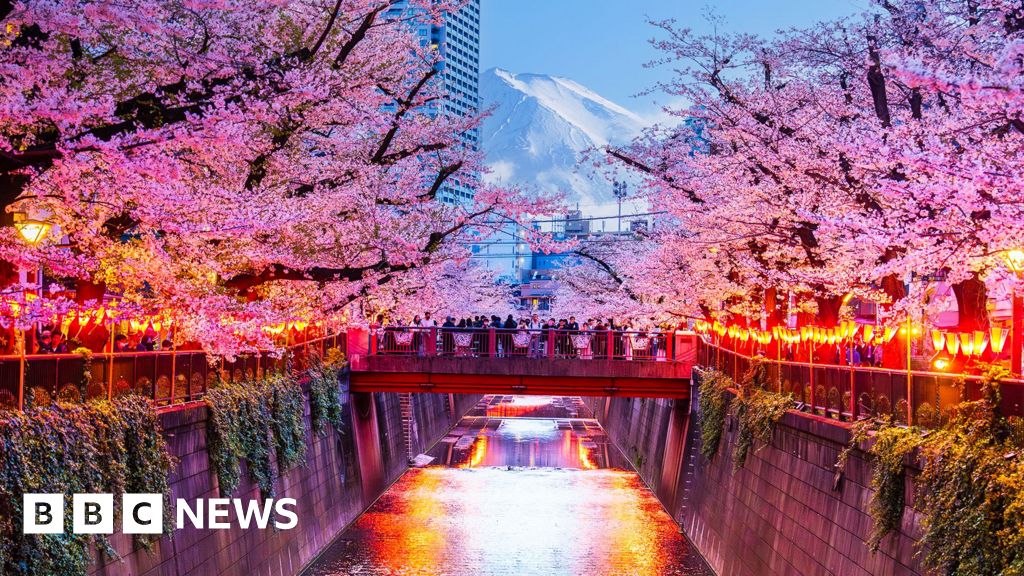
The BBC reports that a Japanese city chose to cancel its cherry blossom festival after repeated concerns about disruptive visitor behavior. Local officials cited issues such as littering, trespassing, and disregard for community rules. The decision highlights how traditional events are being reconsidered when the cost to residents outweighs the cultural and economic benefits. This case illustrates the growing tension between preserving cultural heritage and accommodating large volumes of tourists.
Mount Fuji cherry blossom festival cancelled over fears of visitors behaving badly
This article focuses on the cancellation of a festival near Mount Fuji, a location already under strain from heavy tourism. Organizers pointed to concerns that crowd control would be unmanageable, increasing the risk of accidents and damage. The report connects the decision to broader national debates about how Japan should balance open tourism with public safety and environmental protection.
Mt. Fuji’s Cherry Blossom Festival Calls It Quits: How Japan’s Tourism Crisis Is Redefining Tradition!

Travel And Tour World places the festival cancellation within the context of Japan’s wider tourism challenges. The article explains how record visitor numbers have prompted authorities to rethink long-standing traditions. Rather than viewing cancellations as isolated losses, the coverage frames them as part of a transition toward more sustainable tourism models that may redefine how cultural events are presented in the future.
Mt. Fuji Cherry Blossom Festival Canceled Due to Misbehaving Tourists
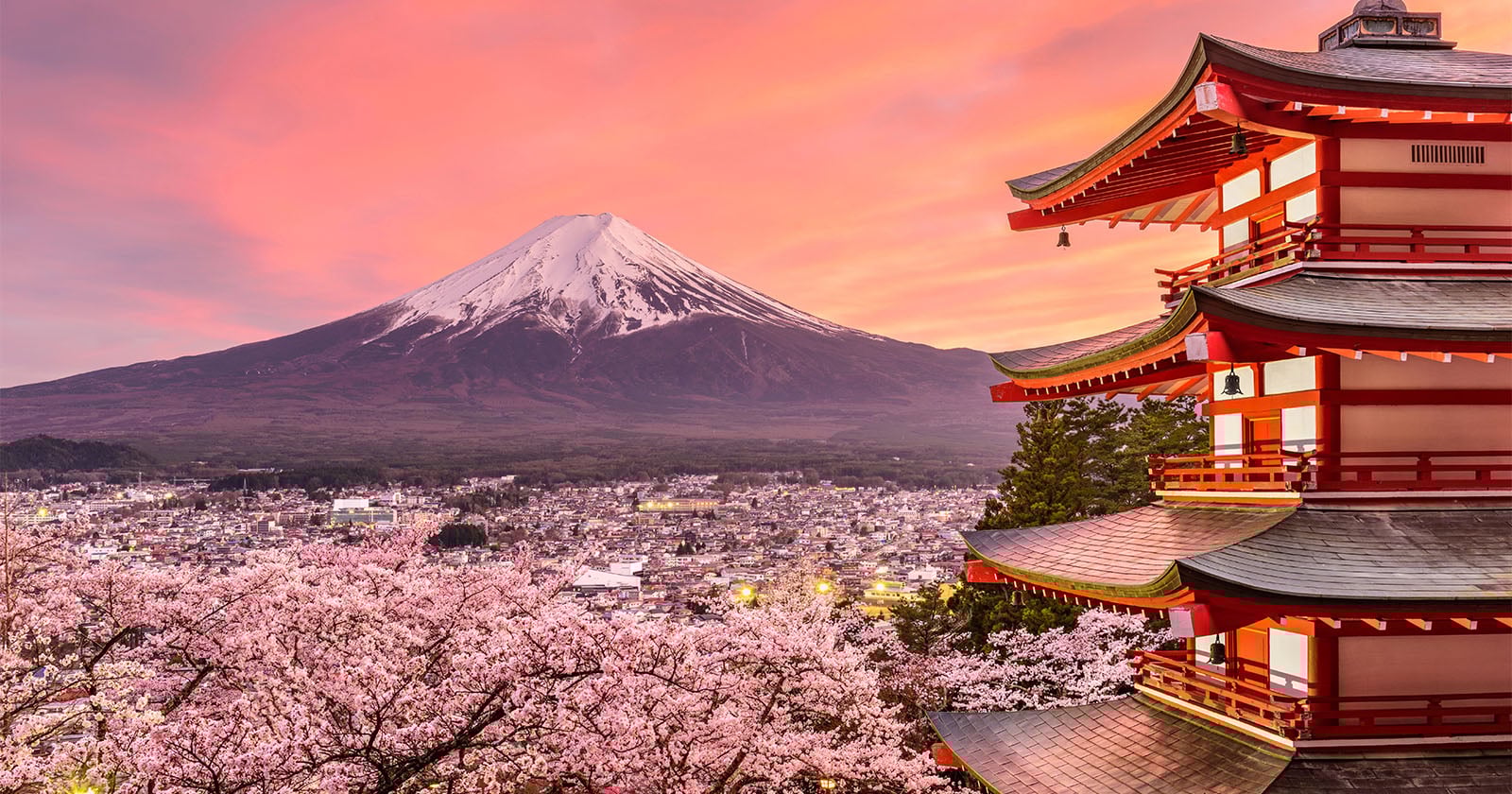
PetaPixel emphasizes how viral imagery and social media exposure have amplified visitor numbers at scenic locations. According to the article, the festival cancellation reflects concerns that unmanaged tourism can undermine both safety and the visitor experience itself. This perspective links cultural event planning to the influence of digital media on travel behavior.
Mount Fuji cherry blossom festival cancelled
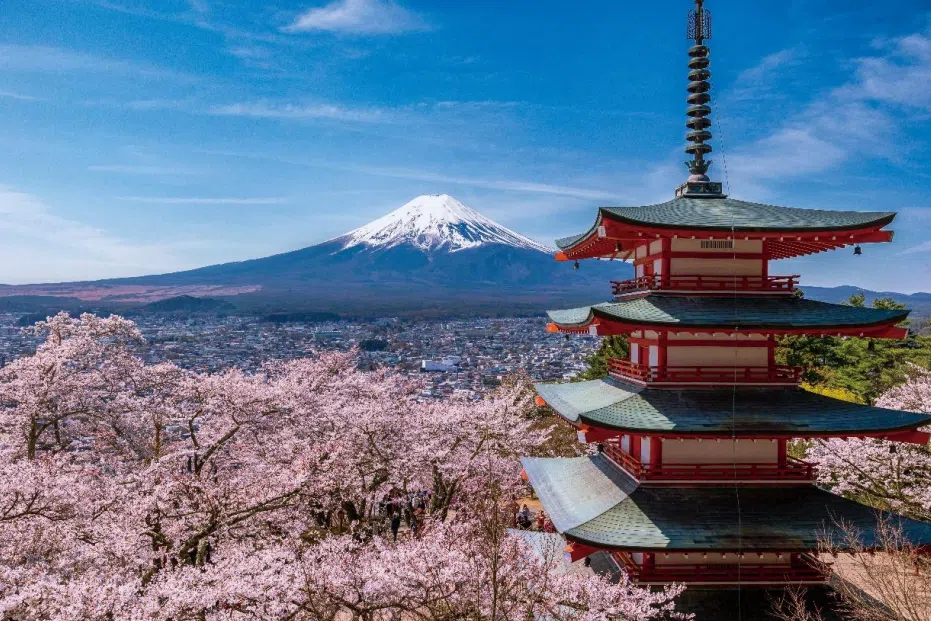
The Straits Times reports on official statements citing fears of overcrowding and rule-breaking. The coverage notes that similar steps have been taken before in other high-traffic locations, suggesting that festival cancellations are becoming a policy tool rather than an exception. This reinforces the idea that tourism management is now central to cultural event planning.
Mount Fuji cherry blossom festival cancelled due to overtourism
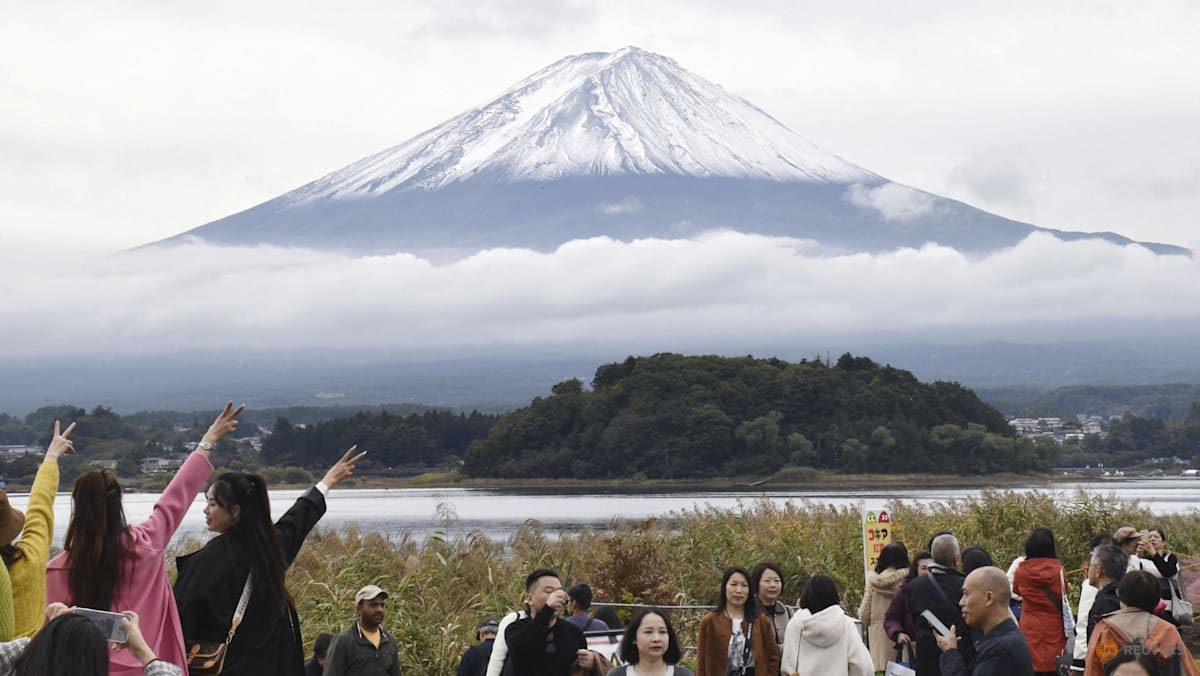
CNA frames the cancellation as a direct response to overtourism, a term increasingly used by policymakers. The article explains that authorities are prioritizing long-term sustainability over short-term visitor numbers. This approach reflects lessons learned from earlier periods when tourism growth outpaced infrastructure and community capacity.
Mt. Fuji cherry blossom festival canceled over fears of visitors behaving badly

Kyodo News highlights the role of local governments in making preventive decisions before problems escalate. Officials interviewed in the article stress that cancellations are intended to protect residents and visitors alike. This reporting connects current actions with earlier crowd-control challenges seen at major tourist landmarks.
Japan’s most famous Mt. Fuji view park cancels cherry blossom festival because of overtourism
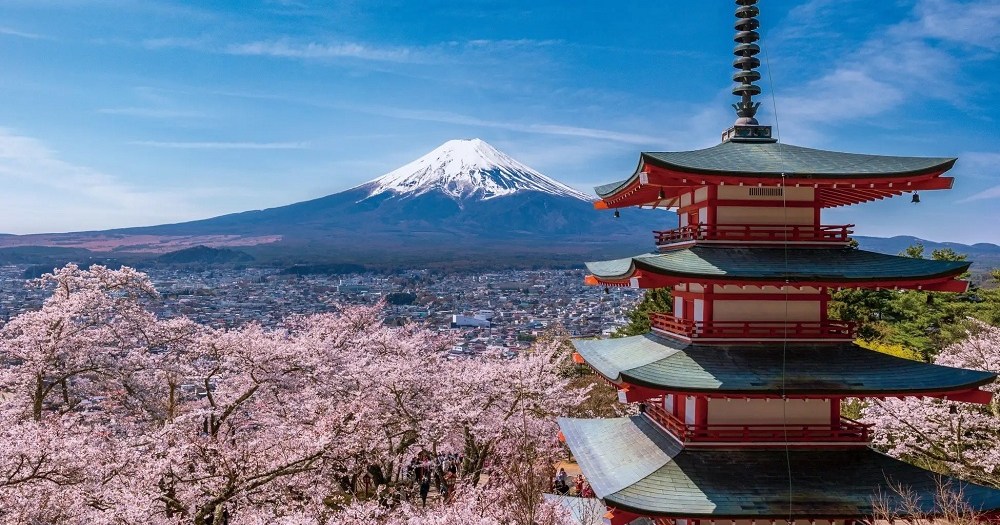
SoraNews24 provides additional context on how iconic viewing spots have become focal points of congestion. The article notes that authorities are experimenting with alternative visitor management strategies, including limiting access and promoting lesser-known locations. This reflects a broader shift in how Japan markets and manages its natural attractions.
Mount Fuji Cherry Blossom Festival Cancelled – The Reason Will Leave You Amazed!
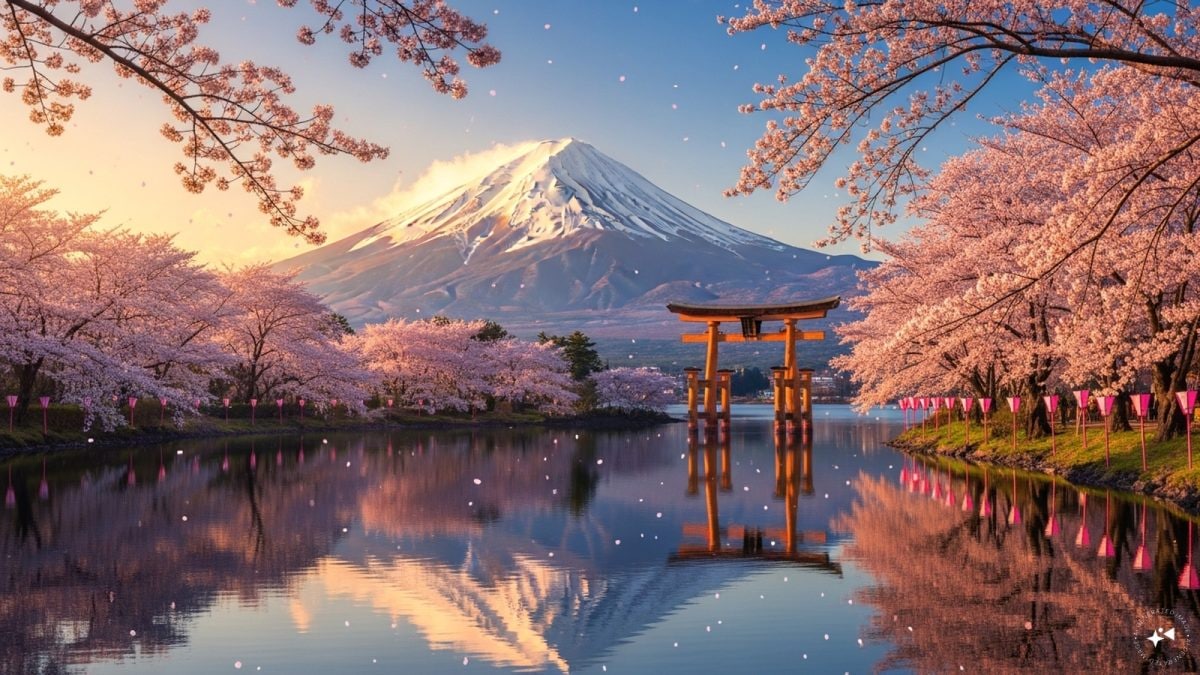
News18 summarizes the situation by pointing to overtourism as a defining issue shaping Japan’s travel policies. The article underscores that festival cancellations are part of a deliberate strategy rather than a reaction to a single incident. This reinforces the overall trend of recalibrating tourism to align with community well-being.
Summary / Insights
Across outlets, a consistent theme emerges: cherry blossom festival cancellations are being used as a management tool in response to overtourism and behavioral concerns. While the cultural significance of these events remains undisputed, authorities are signaling that sustainability and safety are now central considerations. For international audiences, including US travelers, these developments suggest a shift toward more regulated and potentially dispersed tourism experiences.
TL;DR
Several Japanese cherry blossom festivals have been cancelled due to overtourism and visitor behavior concerns, reflecting a broader reassessment of how traditional events are managed in high-demand destinations.