
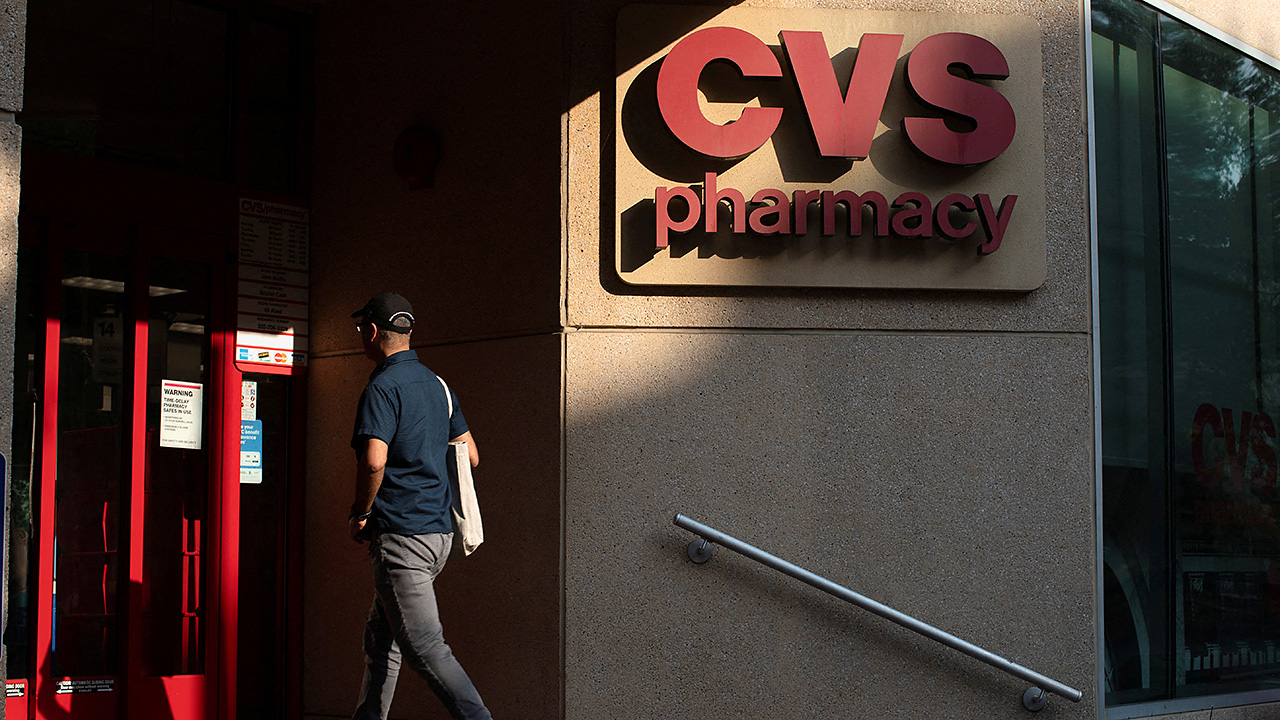
A nearly 13% drop in CVS Health shares greeted investors after the retail and insurance titan revealed a plan to dissolve its integrated conglomerate model. The Woonsocket, Rhode Island-based healthcare giant confirmed it will dismantle its corporate structure to create two independent, publicly traded corporations by 2028. The historic shift unwinds years of aggressive vertical consolidation across prescription drug benefits, managed healthcare, and retail storefronts.
What the Company Announced
CVS Health announced plans on Wednesday to split its operations into distinct health insurance and pharmacy businesses, according to reporting by Fox Business. The planned separation is scheduled for completion in the first half of 2028, with current CVS Health shareholders slated to receive shares in both resulting firms on a tax-free basis.
Under the restructuring plan, one entity will retain the temporary corporate title of CVS Health and operate as a specialized healthcare solutions company. That enterprise will house pharmacy benefit manager CVS Caremark alongside managed care giant Aetna, CVS Specialty, Oak Street Health, and Signify Health. The second standalone company, operating under the CVS Pharmacy banner, will control roughly 9,000 physical store locations, the mail-order pharmacy wing, walk-in MinuteClinic facilities, and the Health100 technology unit.
Key Financial Details
Wall Street reacted sharply to the news, sending CVS Health shares down nearly 13% in Wednesday trading to valuations matching spring lows. The selloff reflected investor uncertainty regarding how the individual components will manage operational debt, legacy retail leases, and ongoing reimbursement pressures once decoupled.

The announcement arrives as federal authorities intensify scrutiny on the financial mechanics governing prescription drug middlemen. A finalized federal rule reported by STAT will require pharmacy benefit managers to disclose hidden fees, spread pricing, and manufacturer rebates to employers starting July 1, 2027. Federal officials estimate the transparency mandate will cover more than 70 PBMs and 130,000 employers, generating over $800 million in projected annual prescription savings across the country.
- Pharmacy Benefit Manager (PBM)
- A third-party administrator that manages prescription drug programs, negotiates manufacturer rebates, and sets reimbursement rates for pharmacies.
- Vertical Integration
- A corporate strategy combining supply chain stages, such as an insurer owning a PBM alongside retail pharmacy counters.
Why the Company Is Doing This
CVS stated that the restructuring allows the enterprise to evolve into two focused corporations capable of delivering greater long-term stakeholder value. Separating the lower-margin drugstore footprint from faster-growing, profitable care and insurance units offers management a clearer balance sheet strategy.
We think it will be good for competition, good for patients, lower prices, good for small businesses to be able to compete against these conglomerates.
Mounting regulatory and state legislative pushback also accelerated the corporate pivot. During 2025 and 2026, lawmakers in Arkansas and Tennessee enacted statutes prohibiting PBMs from owning retail pharmacies, citing anti-competitive conflicts of interest. Although CVS has contested those state measures in federal court, splitting the businesses pre-empts broader antitrust challenges over patient steering and uneven reimbursement rules.
Impact on Employees, Customers, and Investors
For independent pharmacy owners, the structural split marks a significant turning point in retail competition. According to Douglas Hoey of the National Community Pharmacists Association, independent operators have suffered heavy financial distress under conglomerate rules, leaving roughly one-third of American pharmacies independently owned following the bankruptcy of Rite Aid and private-equity buyout of Walgreens.
CVS is not only a competitor, but they decide how much their competition gets paid. They can also decide where patients can go to get their medicine.
Retail consumers may see an acceleration of store closures. The company has shuttered approximately 10% of its retail locations over the last five years due to underperformance. As an unbundled retail chain, standalone store management will likely scrutinize unprofitable sites faster, though nearby competitors often absorb displaced prescription volume.
Patient advocacy groups emphasize that CVS Specialty will remain anchored inside the insurance and solutions entity rather than the retail pharmacy. Because high-cost therapies for cancer, multiple sclerosis, rheumatoid arthritis, and GLP-1 medications like Ozempic remain tied to the PBM arm, steering and rebate practices will continue drawing regulator scrutiny.
What Comes Next
CVS Health leaders will spend the next eighteen months working through the operational logistics required for a clean corporate separation ahead of the 2028 target. Management must formalize executive leadership rosters, untangle joint enterprise data networks, and establish arm's-length commercial contracts between the two future publicly traded entities.
At the regulatory level, compliance teams face federal disclosure requirements taking effect on July 1, 2027, when PBMs must reveal proprietary fee structures. Concurrently, courts will continue evaluating state-level statutes passed in Tennessee and Arkansas that challenge integrated healthcare ownership.
Frequently Asked Questions
When will the CVS split officially take effect?
The company plans to complete the separation into two independent, publicly traded corporations within the first half of 2028.
What happens to shares held by current CVS Health investors?
Existing CVS Health shareholders will receive stock in both newly created public companies through a tax-free distribution.
Will my local CVS Pharmacy close because of this breakup?
The standalone retail pharmacy company is expected to scrutinize underperforming stores closely, which could lead to additional closures following a five-year period in which roughly 10% of locations closed.
Which entity will manage specialty drugs like Ozempic?
CVS Specialty will remain part of the healthcare solutions and insurance company alongside Aetna and CVS Caremark, rather than moving to the retail pharmacy business.