
Last updated: August 13, 2026
San Francisco Bay Area earthquake today: Shaking rattles East Bay near Hayward Fault
A minor earthquake jolted thousands of residents across the San Francisco Bay Area on Thursday morning, serving as a swift reminder of the region's intense seismic reality. While no injuries or structural damage have been reported, the event caused brief transit disruptions during the morning commute. For residents in Northern California, even moderate tremors spark immediate attention given the proximity to major active fault lines.
The Story at a Glance
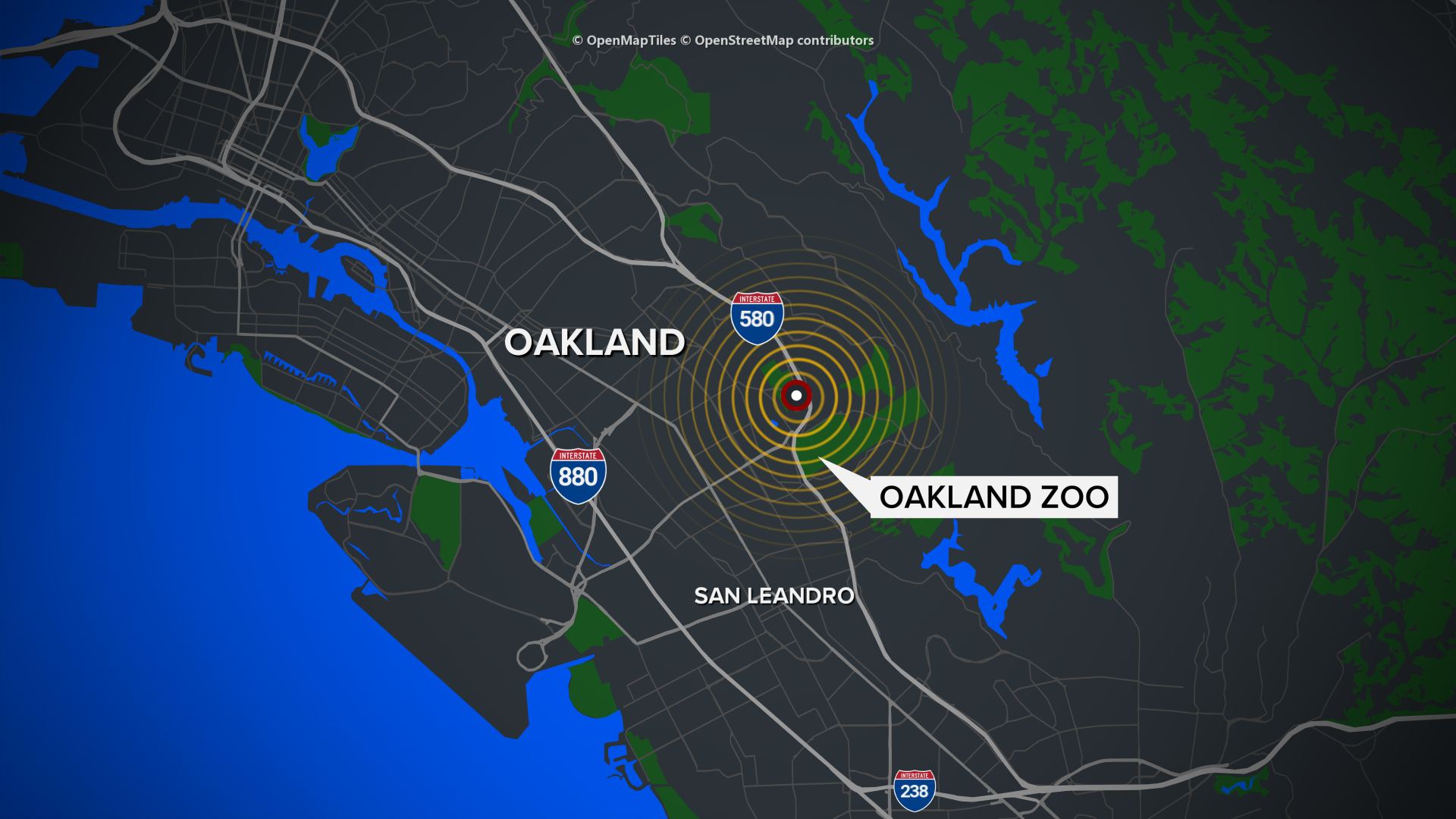
The earthquake struck at 8:30 a.m. local time on Thursday, centered near the Oakland-San Leandro border in Alameda County. The United States Geological Survey initially registered the event at a preliminary magnitude 4.1, but seismologists later downgraded the estimate first to 3.9 and ultimately settled on a 3.8 magnitude.
Despite its relatively low magnitude, the quake produced noticeable shaking across a wide footprint because it struck at a very shallow depth—measured between 3.1 and 3.2 miles (5.2 kilometers) below the surface. Seismologists note that shallow hypocenters translate to stronger shaking right above the epicenter. Shortly after the initial tremor, a pair of minor aftershocks registering magnitude 3.0 and 2.8 hit the same area at approximately 9:07 a.m.
How the Story Developed
The morning rush hour was underway when the sudden jolt rattled homes, businesses, and newsrooms across the East Bay and San Francisco. Shaking was reported in Oakland, San Francisco, Pinole, Walnut Creek, Alameda, and Martinez.
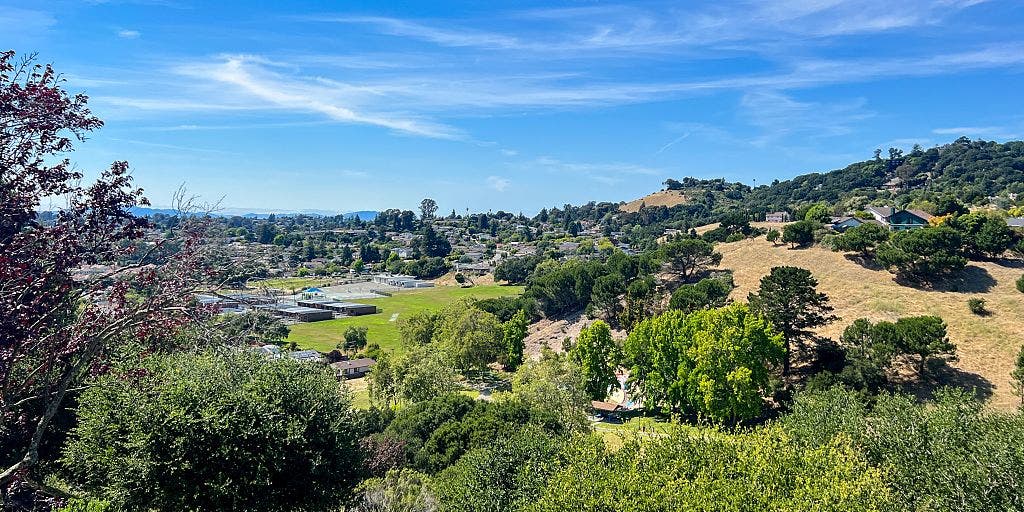
In response to the shaking, Bay Area Rapid Transit temporarily halted trains as a standard precautionary safety procedure to conduct systemwide track inspections. By 9:08 a.m., transit officials confirmed track safety inspections were complete and regular train movement resumed, though riders experienced residual delays of up to 20 minutes throughout the morning network.
Key People and Details
Local emergency management teams responded swiftly to evaluate regional infrastructure following the event. Both Oakland police and fire departments confirmed that no emergency calls for damage or injuries were received following the quake.

The epicenter was located approximately 2.4 to 2.5 miles from San Leandro, directly near the Oakland Zoo. Seismologists at the USGS highlighted that the epicenter sat adjacent to the Hayward Fault, a major tectonic boundary running from San Pablo Bay south through Fremont. The broader Bay Area sits on the Pacific Ring of Fire, a 25,000-mile zone of seismic activity where roughly 90% of global earthquakes occur.
- Magnitude
- A measure of the energy released at the source of the earthquake.
- Epicenter
- The point on the Earth's surface directly above where an earthquake originates.
- Hayward Fault
- A major strike-slip fault zone running through the densely populated East Bay region.
Reaction and Response
Residents across Alameda and Contra Costa counties shared reports of sudden, sharp jolts followed by light swaying. A Walnut Creek resident described the tremor as feeling like the house was being gently rocked back and forth for several seconds.
Local agencies used the event as an opportunity to remind Bay Area communities about emergency readiness. Because earthquakes larger than magnitude 2.5 are routinely felt by the public, officials emphasize maintaining household earthquake kits and emergency communication plans.
What to Watch
Although the initial sequence of aftershocks appears to have subsided, geologists continue to monitor local seismic instruments along the Hayward Fault for any additional localized cluster activity. Transit agencies have resumed normal operations, but commuter networks will monitor track telemetry throughout the day.
Frequently Asked Questions
Where was the epicenter of the Thursday morning earthquake?
The epicenter was located about 2.4 miles north-northwest of San Leandro, California, near the Oakland-San Leandro border and close to the Oakland Zoo.
Was there any damage or injuries reported from the quake?
No. Police and fire departments in Oakland and surrounding areas confirmed there were no preliminary reports of injuries or structural damage.
Why was the earthquake downgraded from 4.1 to 3.8?
Preliminary magnitude estimates rely on early automated data from seismic stations. As more data is analyzed by the USGS, scientists refine the calculation, leading to the final 3.8 magnitude rating.
Did the earthquake affect BART train services?
Yes. BART trains held and operated at reduced speeds while crews inspected tracks. Inspections concluded around 9:08 a.m., with minor residual delays following.