Last updated: November 20, 2026, 1:30 PM UTC
Fossil Fuels Dropped From Latest COP31 Draft Deal in Turkey as Panama Threatens Veto
Negotiators at the 31st United Nations climate summit in Antalya, Turkey, have stripped all explicit references to fossil fuels from the latest draft cover decision, triggering sharp pushback from environmental groups and a formal veto threat from Panama. The move reverses an earlier negotiating blueprint that had called for an immediate shift away from coal, oil, and gas, leaving the summit deadlocked in its final hours. For Americans tracking global energy prices and domestic clean-energy transitions, the standoff highlights a widening gap between diplomatic pledges and major powers' fossil fuel production plans.
The Current Event
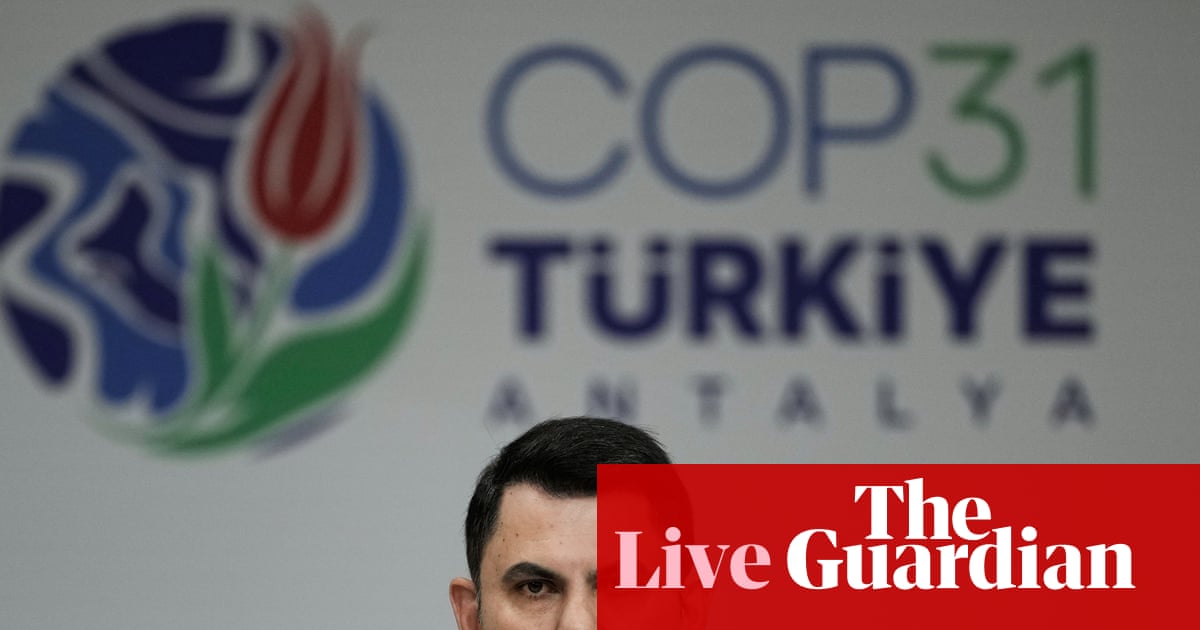
As COP31 enters its closing stretch in Antalya, co-hosts Turkey and Australia released a revised draft cover decision that removes explicit fossil fuel phase-out language. Earlier in the summit, an 18-page initial draft had proposed an immediate transition away from fossil fuels in energy systems, building on the landmark agreement struck at COP28 in Dubai.
The deletion sparked an immediate diplomatic revolt. Panama's environment minister, Juan Carlos Navarro, sent a formal letter to the COP presidency warning that Panama will refuse to join any consensus—effectively blocking a final agreement, which requires unanimous approval—unless its demands are met, including a cap on oil production and science-grounded transparency rules.
We are on the brink of an outrageous and utterly embarrassing lack of leadership by the Cop31 presidencies. They have reduced one of the defining challenges of our time to an inconvenient paragraph they would rather delete, while leaving the door open for fossil fuels to masquerade as clean electrification.
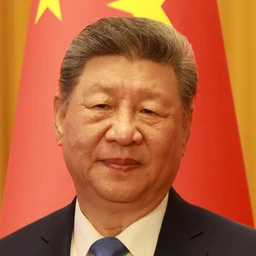
Outside Antalya, the summit's momentum suffered another blow on Thursday when U.S. President Donald Trump, Chinese President Xi Jinping, and Russian President Vladimir Putin met in Shenzhen, China. None of the three leaders attended COP31, and their joint statement pledged to increase the production and supply of refined petroleum products to maintain what they termed stable energy flows.
Is Climate Change a Factor?
While COP31 is a diplomatic summit rather than a single weather disaster, climate science sits at the center of the dispute over the revised text. UN climate chief Simon Stiell acknowledged in Antalya that the world remains nowhere near the 1.5 degrees Celsius warming threshold needed to avoid the most severe climate impacts, noting that the core problem is the lack of speed in cutting emissions.
Scientific assessments by the Intergovernmental Panel on Climate Change (IPCC) establish that burning coal, oil, and gas drives global temperature rise. Campaigners and researchers warn that omitting explicit fossil fuel language from the cover decision, while simultaneously promoting global carbon capture scaling, risks diluting accountability. Fernanda de Carvalho, head of policy and climate energy at WWF International, noted that language around the 1.5C overshoot has been weakened compared to the first draft and criticized the inclusion of carbon capture provisions as overestimated and opportunistic.
How Conditions Have Changed
The diplomatic retreat in Antalya contrasts with the trajectory established three years ago at COP28, where nations agreed for the first time to transition away from fossil fuels. Nearly three decades of UN climate talks were required to secure that initial reference, according to John Verdieck, director of international climate policy at The Nature Conservancy.
Defending the revised draft, Turkish Environment Minister Murat Kurum rejected claims of backsliding, arguing that summit negotiators are focused on implementation rather than re-debating past pledges. Australian Climate Change and Energy Minister Chris Bowen, co-presiding over the negotiations, maintained that the text's commitment to reaching a 35% global electrification goal by 2035 and keeping the 1.5C target alive inherently implies moving away from fossil fuels.
However, energy analysts point out that electrification alone does not guarantee emissions cuts unless grids are powered by renewables. At the same time, the International Energy Agency (IEA) warned in its latest global outlook of extraordinary energy market uncertainty driven by conflict in Iran and shipping disruptions in the Strait of Hormuz, alongside surging electricity demand from artificial intelligence, population growth, and cooling needs.
Who Is Most Exposed
Developing nations and youth communities on the front lines of drought and extreme weather face the sharpest consequences from stalled climate finance and watered-down emissions targets. Flawa Malle, a 25-year-old climate and gender justice advocate from Tanzania who founded the Eco Pulse Network, told reporters in Antalya that prolonged droughts are halting farming and forcing girls out of school when household incomes collapse.
- Developing economies: Face severe adaptation funding shortfalls while carrying heavy debt burdens, with advocacy groups criticizing wealthy nations for failing to deliver promised financial support.
- Global South populations: Experience immediate disruptions to agriculture, water availability, and basic livelihoods as warming accelerates.
- U.S. consumers and industries: Remain exposed to global oil market volatility and geopolitical supply shocks even as the federal government steps back from UN climate diplomacy.
With President Trump having withdrawn the United States from international climate agreements, the official American negotiating chair in Antalya remains empty, though roughly 120 U.S. state and local officials attended to highlight subnational clean-energy policies.
Adaptation and Future Risk
As businesses urge faster action on electrification, negotiators have only hours left to resolve deadlocks over climate finance, renewable energy guardrails, and Panama's veto threat before the scheduled close of COP31, which has drawn nearly 120,000 registered participants and 69,000 on-site attendees.
Beyond the main negotiating hall, conservation advocates point to parallel initiatives—such as Brazil's deforestation roadmap and the Tropical Forest Forever Facility, which rewards countries for preserving tropical forests—as avenues for tangible progress even if the cover decision remains weak. Meanwhile, climate think tanks including Power Shift Africa are pressing governments to explicitly tie the 2035 electrification target to renewable power so fossil-fired electricity cannot be counted as a climate breakthrough.
Frequently Asked Questions
Why were fossil fuels removed from the latest COP31 draft deal?
Summit co-hosts Turkey and Australia dropped explicit fossil fuel phase-out language from the revised cover decision to build consensus among oil-producing nations, arguing that the proposed 2035 electrification target already implies transitioning away from fossil fuels.
Why is Panama threatening to block the COP31 climate agreement?
Panama's environment minister sent a formal letter warning that the country will object to any final consensus unless the deal includes stronger science-based commitments, transparency reforms, and a cap on oil production.
What did the U.S., China, and Russia agree to during COP31?
Meeting separately in Shenzhen, China, U.S. President Donald Trump, Chinese President Xi Jinping, and Russian President Vladimir Putin skipped COP31 and issued a joint statement pledging to boost the production and supply of refined petroleum products.
What is the 35% electrification goal being debated at COP31?
Backed by host country Turkey, the proposal aims to generate 35% of global final energy from electricity by 2035, though climate advocates warn it must be explicitly tied to renewable energy rather than fossil-fuel-generated power.