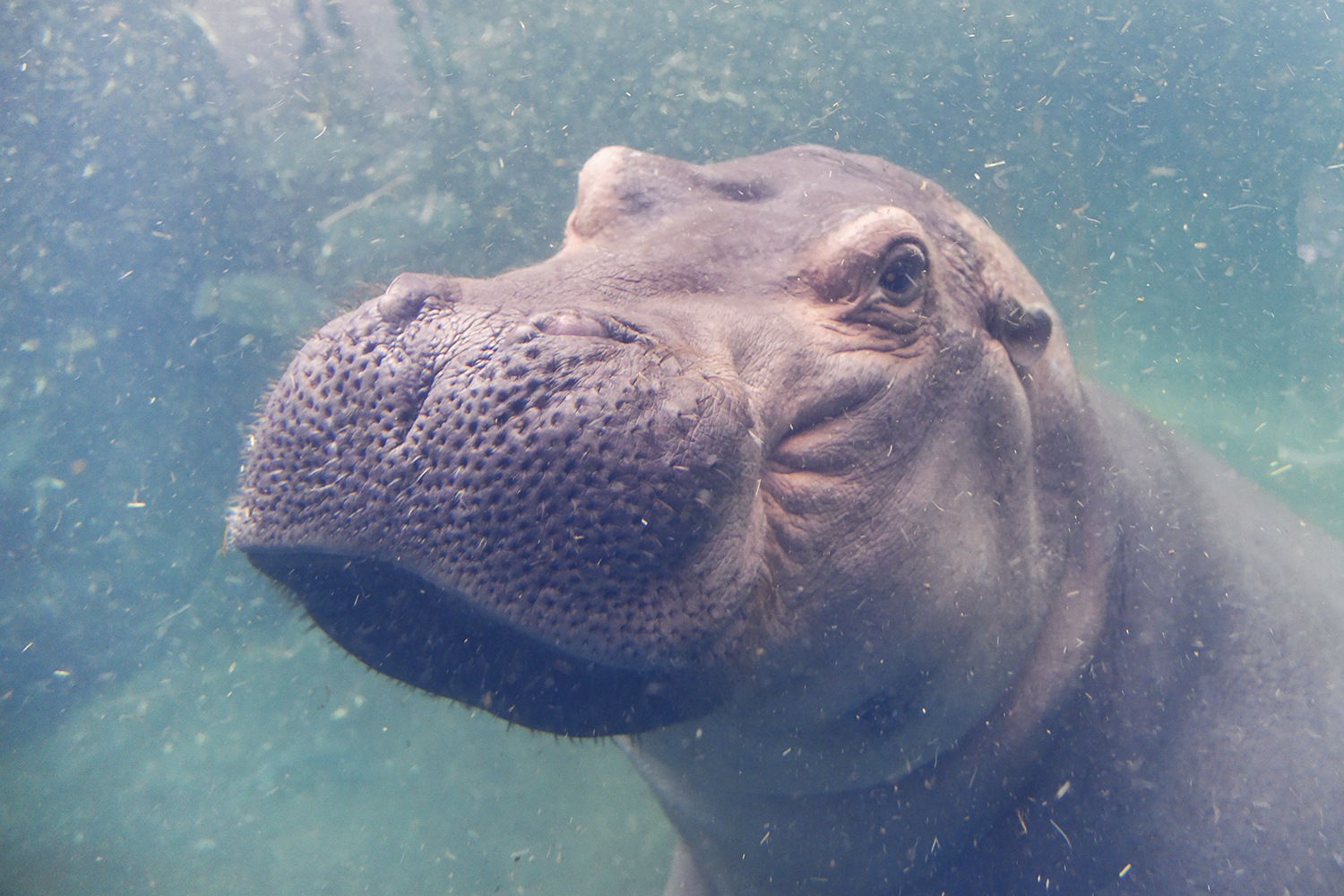
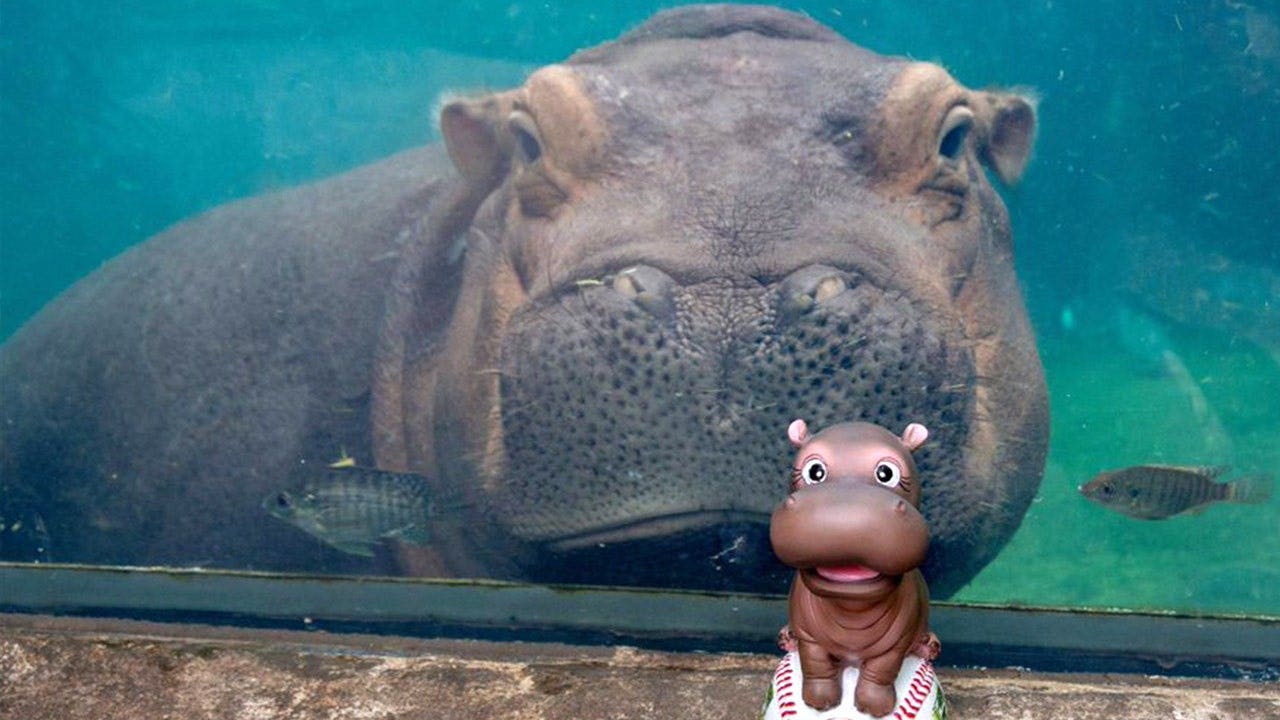
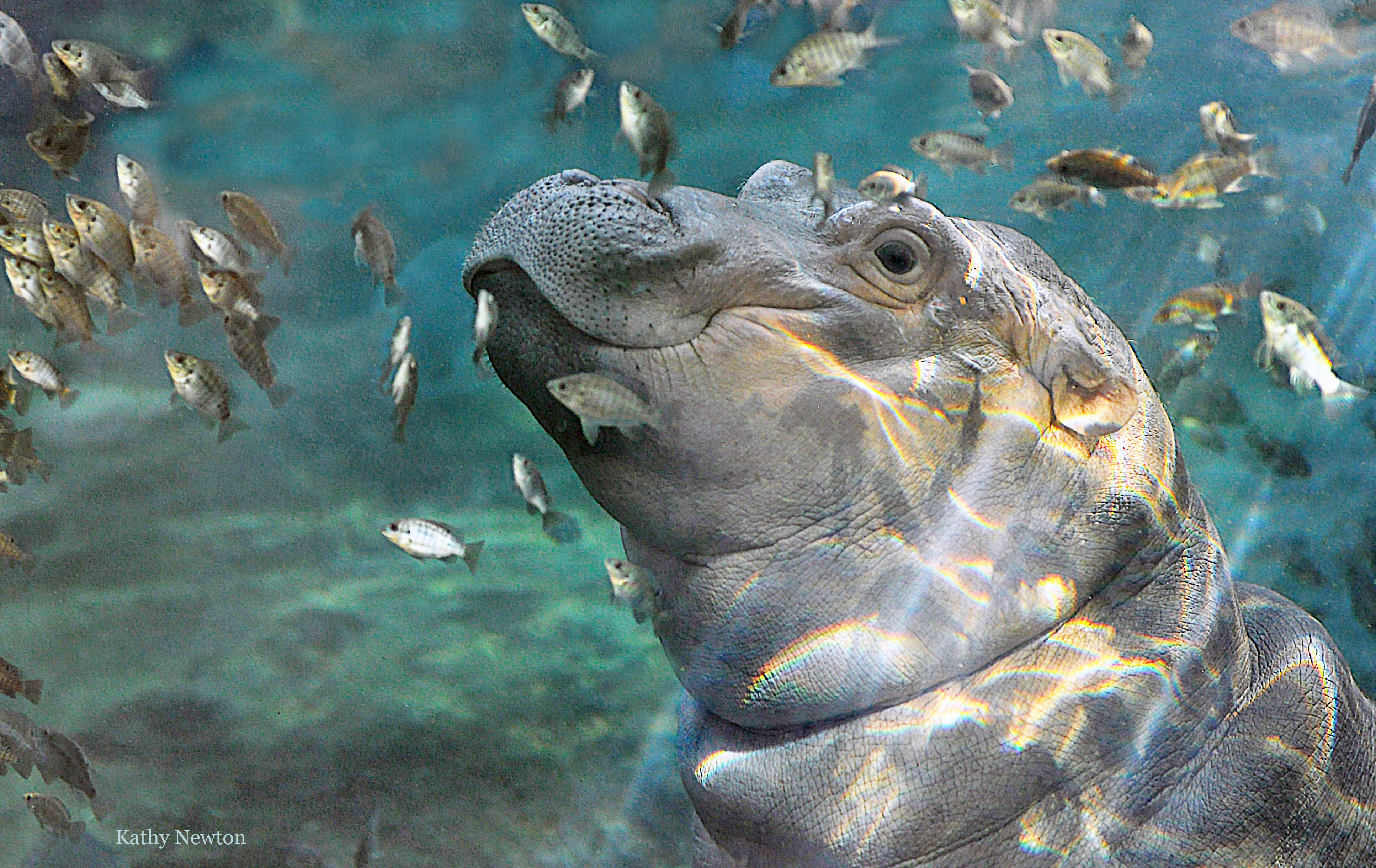
Fiona, the world-famous Nile hippopotamus who captured millions of hearts across the United States after surviving a premature birth in 2017, has died at age 9 at the Cincinnati Zoo & Botanical Garden. Zoo officials announced Thursday that she succumbed to medical complications after ingesting a knitted hat that accidentally landed in her habitat about 11 days earlier. On Friday, postmortem findings released by the zoo revealed the synthetic garment had become irreversibly lodged halfway through her small intestine, making both endoscopic retrieval and surgery impossible.
What the News Is
The medical emergency began roughly 11 days before Fiona's death when a child tossed a knit hat into the air near her enclosure. According to zoo spokesperson Michelle Curley, an overhead ceiling fan caught the hat and propelled it through a small gap above the viewing area windows and into Hippo Cove.
Fiona ingested the garment, and veterinary teams immediately launched an intensive effort to help her pass it naturally. Keepers used enemas, administered supportive care, and had the hippo stand on a vibration plate to stimulate movement through her digestive tract. Despite brief signs of encouragement on Wednesday when she walked around her behind-the-scenes habitat and responded positively to coffee—one of her favorite scents—her condition deteriorated, and she died Thursday.
Our animal care team was heroic in their efforts to save her. They did everything possible, but her body couldn’t fight anymore. She was dearly loved by her Zoo family and countless others around the world.
On Friday, the zoo's director of animal health, Dr. Mike Wenninger, released necropsy findings that settled lingering questions about why the blockage could not be cleared. The postmortem examination confirmed the hat was lodged roughly 25 feet into her intestinal tract and 50 feet from where it would have exited her body.
What It Means for Pet Owners
While Fiona was a multi-ton zoo animal rather than a household pet, her death highlights a common and dangerous hazard familiar to dog and cat owners nationwide: foreign-body intestinal blockages caused by everyday fabric items. Synthetic textiles, yarn, and knitted winter gear do not break down in stomach acid, and as they absorb digestive fluids, they swell and tighten inside the intestinal tract.
For families visiting zoos, aquariums, and wildlife parks, the tragedy also serves as a stark reminder of how easily loose personal items can enter animal habitats even through narrow architectural gaps. Items such as hats, gloves, sunglasses, and wrappers can trigger fatal emergencies when swallowed by curious herbivores or omnivores.
What Vets and Experts Say
Veterinary specialists explained that Fiona's massive size and unique physiology left doctors with no surgical way to extract the hat once it traveled past her stomach. Care teams obtained specialized 9-foot-long endoscopy tools in an attempt to reach the object through her mouth, but Dr. Wenninger noted the instruments could not even exit her large sacculated stomach.
- Sacculated stomach
- A multi-chambered stomach structure found in hippopotamuses and certain other herbivores that slows digestion and prevents standard endoscopic instruments from reaching the small intestine.
- Laparotomy
- An open surgical incision into the abdominal cavity used to access internal organs, which carries extreme rupture risks in large, heavy-bodied mammals.
- Necropsy
- A postmortem medical examination performed on an animal to determine the exact cause of death and evaluate internal tissue findings.
Dr. Gabriella Flacke, an associate veterinarian at Zoo Miami with expertise in hippos, told NBC News that synthetic knit material absorbs intestinal liquid, becoming thicker and unable to pass through narrow loops of bowel. She added that abdominal surgery on a full-grown hippo is almost always fatal because heavy internal organs press down on incisions, and hippo skin is exceptionally thick and heals poorly compared to dogs, horses, or humans.
No treatment aside from supportive care had any chance for success, and the necropsy confirmed that no amount of supportive care would have worked.
Things to Consider
In household pets like dogs and cats, veterinarians can routinely perform endoscopies or abdominal surgery to remove swallowed socks, hats, or toys if caught early. Pet owners who suspect their animal has swallowed a fabric object should contact a veterinarian immediately rather than waiting to see if it passes, as swelling material can cut off blood supply to the bowel within hours.
In zoological settings, however, large-animal anatomy limits intervention to non-invasive supportive care such as hydration, motility stimulation, and dietary management. Most hippos in captivity live up to 50 years, making Fiona's passing at 9 years old especially jarring for keepers and visitors who watched her grow up.
What Comes Next
The Cincinnati Zoo remains open, including for its annual Festival of Lights, though the area immediately surrounding Hippo Cove is closed through the weekend to give keepers, veterinarians, and staff privacy to grieve. Outside the entrance, visitors have created an impromptu memorial beside the stone hippo statue with flowers, drawings, and handwritten notes.
Born six weeks premature in January 2017 weighing just 29 pounds—well below the typical newborn weight of 50 to 120 pounds—Fiona became the smallest Nile hippo known to survive. Over nearly a decade, she drew 27 million viewers to her online video series, generated an estimated $2 million to $3 million for Cincinnati's local economy in her first year alone, and served as a symbol of resilience for families facing medical hardships.
Frequently Asked Questions
How did Fiona the hippo die?
Fiona died on Thursday at age 9 from medical complications after swallowing a visitor's knitted hat at the Cincinnati Zoo. A necropsy confirmed the synthetic hat became irreversibly lodged 25 feet into her small intestine, blocking her digestive tract.
How did the hat get into Fiona's enclosure?
About 11 days before her death, a child visiting the zoo tossed a knit hat into the air near the exhibit. An overhead ceiling fan caught the hat and blew it through a small opening above the viewing windows into her habitat.
Why couldn't veterinarians perform surgery to remove the hat?
Doctors tried using 9-foot-long endoscopes, but the tools could not reach past Fiona's multi-chambered stomach into her small intestine. Open abdominal surgery was also impossible because the weight of a hippo's internal organs puts fatal pressure on incisions and their thick skin does not heal reliably.
How old was Fiona the hippo when she died?
Fiona was 9 years old, having been born six weeks premature in January 2017. While Nile hippos in human care often live up to 50 years, her intestinal blockage could not be cleared through non-surgical supportive care.