
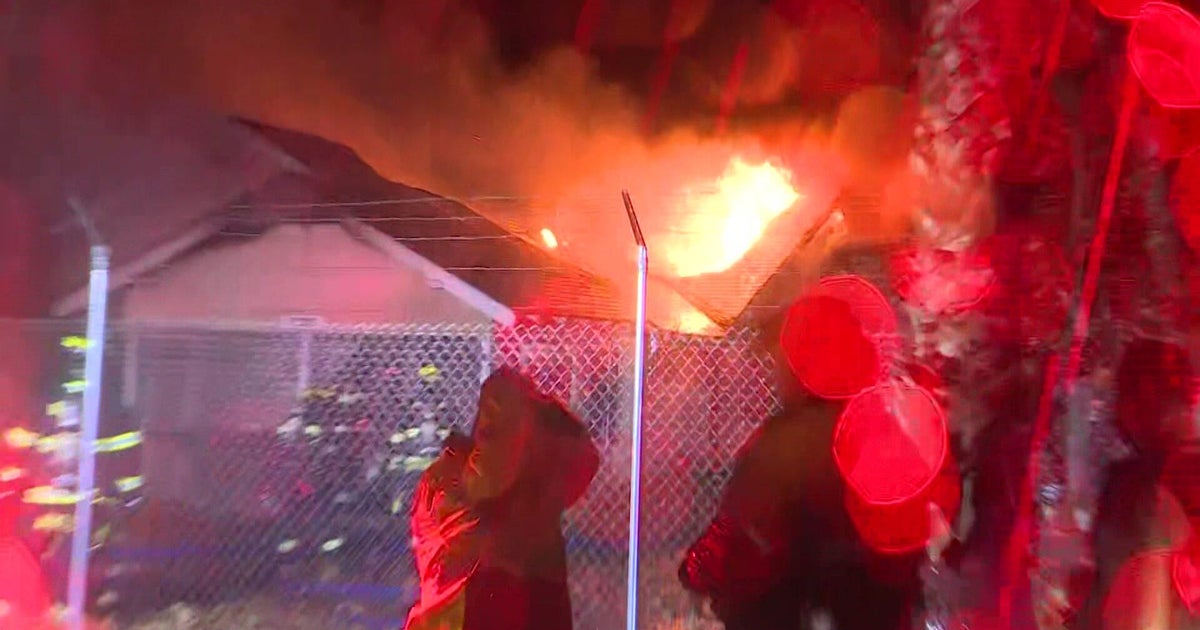
Wildlife rehabilitation centers across California serve as critical emergency rooms for injured and orphaned native animals, making the sudden loss of a major Central Valley facility a severe blow to regional conservation efforts. On Wednesday evening, November 18, 2026, a fast-moving structure fire tore through the main hospital building at the Stanislaus Wildlife Care Center in Hughson, California. Fire officials confirmed that at least 40 animals died inside the building after the roof collapsed, though no staff members or volunteers were injured.
What Is Happening
The blaze erupted Wednesday evening at the facility located along Geer Road in Hughson, a community in California's Stanislaus County. According to CBS News Sacramento, a neighbor spotted flames on the building's roof and alerted Donna Burt, the center's executive director. Around 7 p.m., the Modesto Fire Department dispatched crews to assist the Hughson Fire Department with what was already a fully involved structure fire.
By the time firefighters brought the flames under control, the roof of the hospital building had caved in, and fire officials declared the structure a total loss. Nobody was inside the facility when the fire broke out, preventing human casualties. However, nearly all of the animals housed inside the indoor hospital space perished in the smoke and flames.
The Species or Ecosystem Involved
The Stanislaus Wildlife Care Center operates as a vital safety net for native wildlife across California's Central Valley, an agricultural and riparian corridor where wild animals frequently encounter vehicle traffic, power lines, and urban development. The center treats injured and orphaned wild animals with the primary goal of rehabilitating them for release back into their natural habitats. Alongside temporary patients, the facility also housed long-term resident animals—wildlife whose permanent injuries prevented them from surviving on their own in the wild.
While fire officials confirmed at least 40 animals died inside the burned building, crews managed to pull two snakes and a turtle from the wreckage. Burt also noted that animals kept in separate outdoor enclosures on the property were expected to be safe from the interior blaze. The scale of the center's daily caseload underscores the region's reliance on its services.
So far this year, we have taken in just short of 2,600 animals.
The Threats or Challenges
A Hughson Fire Department official told CBS News Sacramento that an electrical issue likely sparked the fire. Investigators have not yet determined whether the electrical failure resulted from downed power lines during Wednesday's storm or stemmed from an internal wiring problem inside the building.
Beyond the immediate loss of animal life, the fire presents an acute operational crisis for wildlife rescue in the region. Non-profit wildlife hospitals rely on specialized indoor medical equipment, incubators, surgical suites, and quarantine wards—infrastructure that cannot be easily replaced overnight. Losing the main hospital building leaves local animal control officers, residents, and conservation workers without their primary triage hub during stormy weather, when displaced and injured wildlife often require urgent care.
What Conservationists Are Doing
Emergency responders worked through Wednesday night to extinguish hot spots, secure the collapsed structure, and salvage surviving reptiles from the debris, as reported by KCRA and the Modesto Bee. Facility leadership immediately began accounting for the surviving wildlife housed in outdoor enclosures to ensure they remained secure, fed, and sheltered following the storm and fire response.
With the main hospital building destroyed, staff and volunteers face the immediate task of assessing what equipment was lost and coordinating care for surviving animals. In California, wildlife rehabilitation centers operate under permits from state wildlife authorities and frequently lean on neighboring rescue networks when a facility experiences a catastrophic disaster.
What the Outlook Is
The exact cause of the electrical failure remains under investigation by fire officials, and a final tally of all animals lost inside the building has not yet been completed beyond the confirmed minimum of 40 fatalities. Rebuilding a licensed wildlife hospital requires substantial funding, permitting, and specialized medical gear, meaning the Stanislaus Wildlife Care Center faces a lengthy recovery period before it can resume full intake operations.
For residents in Stanislaus County and surrounding Central Valley communities, the loss of a facility that admitted nearly 2,600 animals in less than eleven months creates an immediate gap in local wildlife emergency response. Until temporary intake arrangements or rebuilding plans are established, injured native animals found in the area will likely need to be rerouted to neighboring rehabilitation facilities.
Frequently Asked Questions
What happened at the Stanislaus Wildlife Care Center?
On Wednesday evening, November 18, 2026, a major structure fire destroyed the main hospital building at the Stanislaus Wildlife Care Center in Hughson, California, causing the roof to collapse and killing at least 40 animals.
Were any people injured in the Stanislaus Wildlife Care Center fire?
No. Executive Director Donna Burt confirmed that no staff members or volunteers were inside the building when the fire started.
Did any animals survive the fire at the wildlife center?
Yes. Firefighters pulled two snakes and a turtle from the burning building, and animals housed in separate outdoor cages on the property were believed to be safe.
What caused the fire at the Stanislaus Wildlife Care Center?
A Hughson Fire Department official stated that an electrical issue likely caused the blaze, though investigators have not confirmed whether it was linked to downed power lines from Wednesday's storm or an internal electrical problem.
How many animals does the Stanislaus Wildlife Care Center normally treat?
According to Executive Director Donna Burt, the center had taken in nearly 2,600 injured and orphaned wild animals in 2026 prior to the fire.