
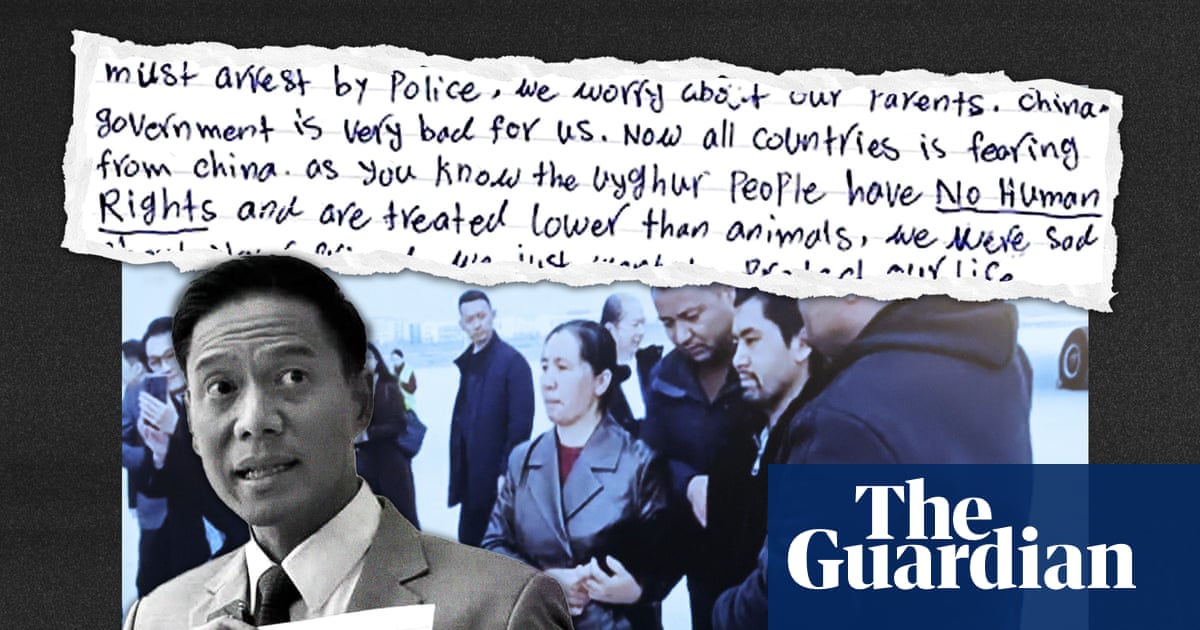
Two Uyghur men could be sent back to China after spending more than a decade in Thai detention, raising renewed concerns about their safety and Thailand's treatment of people fleeing persecution. One of the men has reportedly said he would be 'like a slave' if returned, while human rights organisations warn that both face serious risks of torture, arbitrary detention and enforced disappearance. The case also revives international criticism of Thailand following its controversial deportation of 40 Uyghur men in February 2025.
What Is Being Proposed
The immediate concern is the possible deportation of two Uyghur men from Thailand to China. Both were among approximately 220 Uyghur men, women and children arrested by Thai police in March 2014 near the Malaysian border after fleeing China.
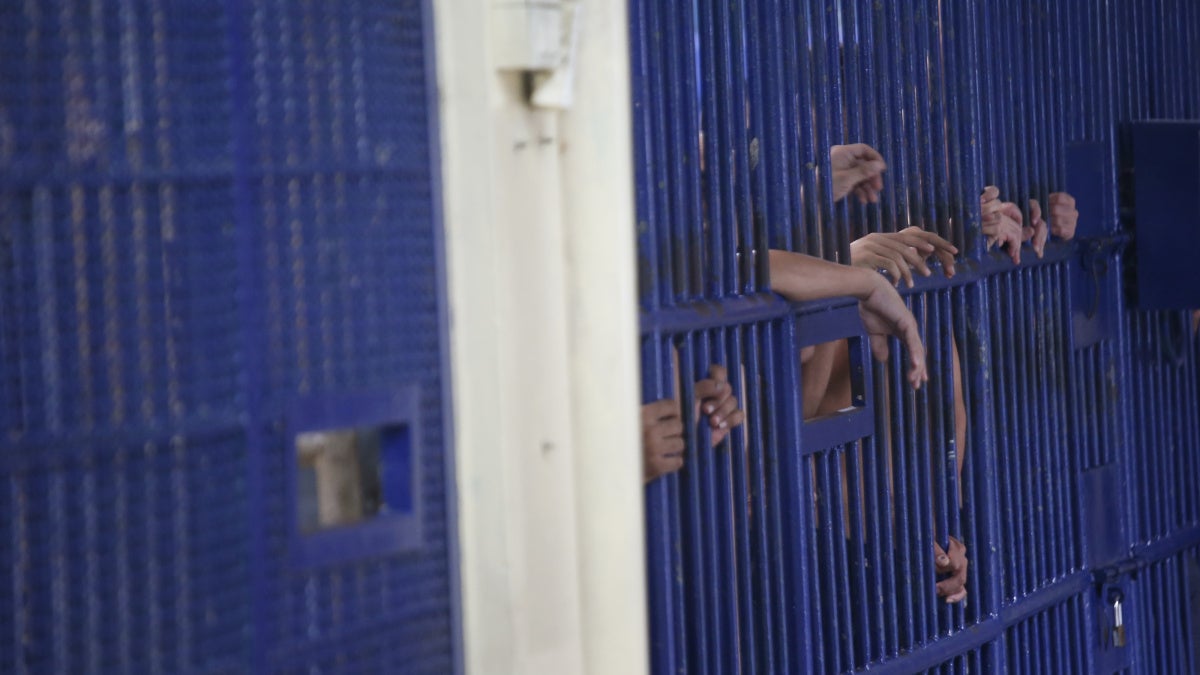
The men were subsequently detained and served seven-year prison sentences for offences connected to an attempted escape from immigration detention in January 2020. On 21 October 2026, Thai authorities transferred them from Bangkok Central Prison to the Bangkok Immigration Detention Center Suan Phlu after they had served most of their sentences.
Human Rights Watch says the transfer appears to have been made in preparation for deportation. The organisation has called on Thai Prime Minister Anutin Charnvirakul to prevent their forced return and allow them to travel to a safe third country.
The wider concern involves China's treatment of Uyghurs, a predominantly Muslim, Turkic-speaking ethnic minority whose population is concentrated in the Xinjiang region. Human rights organisations have documented arbitrary detention, forced labour, mass surveillance and restrictions on religious and cultural practices. The United Nations has described aspects of the repression as potential crimes against humanity.
What It Would Change
Sending the two men to China would expose them to the risks that have prompted international organisations to challenge previous deportations. Human Rights Watch warns of possible torture, arbitrary detention, interrogation and other serious abuses against Uyghurs forcibly returned after leaving China.
The legal question is also significant. Thailand is bound by the international principle of non-refoulement, which prohibits forcibly returning people to places where they face a genuine risk of persecution, torture or comparable serious human rights violations.
That protection is reflected in the UN Convention Against Torture, to which Thailand is a party, and Thailand's own Prevention and Suppression of Torture and Enforced Disappearance Act. The Thai legislation prohibits deportation where there is a substantial risk of torture or ill-treatment.
According to Human Rights Watch, Thai immigration regulations provide for deportation to China unless the men object and are resettled in a third country. Their lawyers have already informed the authorities that neither man consents to being returned.
Who Supports and Who Opposes It
Human Rights Watch is firmly opposed to the deportation. Its Asia director, Elaine Pearson, has urged Thailand to let the men travel to a safe third country, warning that previous Uyghur deportations resulted in people being forcibly disappeared after arriving in China.
The United Nations has also criticised Thailand's previous actions. Following the February 2025 deportation of 40 Uyghur men, UN High Commissioner for Human Rights Volker Türk described the move as a clear violation of international human rights laws and standards. He called for further deportations to be prevented and remaining detainees to receive protection.
China, meanwhile, has defended its cooperation with Thailand. A spokesperson for its foreign affairs ministry said cooperation against cross-border illegal and criminal activities, including smuggling, was consistent with the laws of both countries, international law and international practice.
Thai authorities have not publicly confirmed that a deportation decision has been made. Thailand's foreign affairs ministry declined to comment, while national security council chief Chaipruak Doungprapat said the two men and three other Uyghurs still in prison had outstanding arrest warrants in China.
Where Things Stand
The two men have reportedly taken their case to Thailand's National Human Rights Commission, presenting their concerns on Wednesday. Their transfer to immigration detention has increased fears that deportation could be approaching.
There is also a significant history behind the case. In 2015, Thailand forcibly transferred more than 100 Uyghur men to Chinese authorities, while women and children from the original group were released to Turkey. In February 2025, another 40 Uyghur men were deported to China.
Human Rights Watch says there has been no credible independent monitoring of the 40 men returned in 2025. UN human rights experts subsequently reported that their families had received no communication, confirmation of their whereabouts or indication of whether their relatives were alive.
Another unresolved issue concerns the Chinese arrest warrants. It is not clear whether Beijing has submitted a formal extradition request for the two men. One of them was reportedly only 14 when he left China in 2014, prompting questions about the circumstances and credibility of the allegations against him.
What Happens Next
The immediate priority is whether Thailand will allow the men to remain outside China's reach while their objections are considered. Their lawyers have already notified Thai authorities that they do not consent to deportation, and human rights groups are calling for resettlement in a safe third country.
The timing also places the case under additional international scrutiny. The UN Human Rights Council is scheduled to review Thailand's human rights record on 9 November 2026. Human Rights Watch has urged governments to use that review to press Bangkok to end the abusive treatment of Uyghur detainees and prevent further forced returns.
For international observers, the case is a test of whether Thailand will apply its legal protections despite pressure from Beijing. For the two men and their families, the consequences are considerably more immediate: a return to a country where they fear persecution and where the fate of previously deported Uyghurs has not been independently established.
Frequently Asked Questions
Why are two Uyghur men facing deportation from Thailand?
They were arrested in Thailand in 2014 after fleeing China and later served seven-year prison sentences for offences related to an attempted escape from immigration detention. Their transfer to an immigration detention centre has raised fears of deportation.
Who are the Uyghurs?
Uyghurs are a Turkic-speaking ethnic minority, predominantly Muslim, whose population mainly lives in China's Xinjiang Uyghur Autonomous Region.
Why are human rights groups opposing their return to China?
Human Rights Watch warns that forcibly returned Uyghurs face risks including arbitrary detention, torture, interrogation and enforced disappearance.
Has Thailand confirmed the deportation?
No confirmed deportation decision has been announced. Thai officials have discussed outstanding Chinese arrest warrants, but the foreign affairs ministry declined to comment on the case.
What happened to the 40 Uyghur men deported in 2025?
Thailand returned 40 Uyghur men to China on 27 February 2025. Human Rights Watch says there has been no credible independent monitoring of their situation since their return.
When will Thailand's human rights record be reviewed by the UN?
Thailand's human rights record is scheduled for review by the UN Human Rights Council on 9 November 2026, with human rights organisations urging governments to raise the treatment of Uyghur detainees.