Last updated: 8 November 2026
5 key areas hit as Russian strikes trigger fresh blackouts across Ukraine
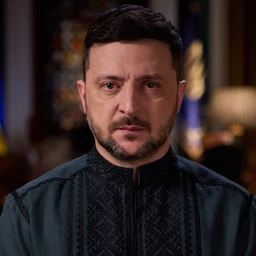
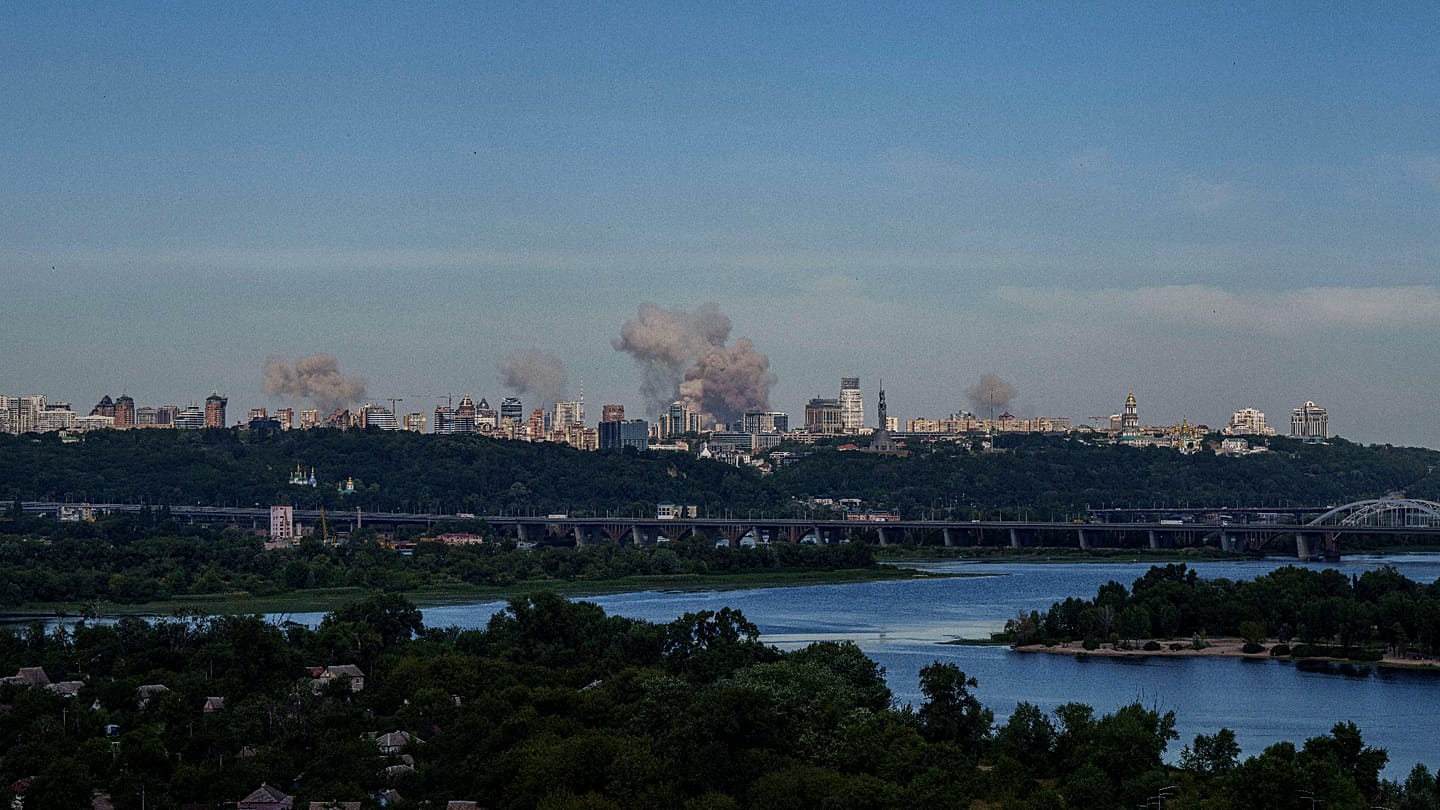
Russian forces launched an overnight barrage of 36 ballistic missiles and 172 drones targeting Ukrainian energy infrastructure, President Volodymyr Zelenskyy confirmed on Saturday, cutting electricity and water networks as winter sets in. The strikes knocked out power supplies across five regions and battered the capital, Kyiv, leaving nine people injured nationwide. With sub-zero temperatures and the first winter snowfall already arriving, the widespread outages threaten basic heating in densely populated residential blocks.

What Is Being Proposed
Ahead of trilateral peace negotiations scheduled for next week in Abu Dhabi, diplomatic envoys from Washington, Kyiv, and Moscow are preparing to convene for their first formal talks in months. In response to the intensifying attacks on civilian power grids, President Zelenskyy has put forward an urgent plea to Western allies to expedite shipments of advanced air defence interceptors. Specifically, Kyiv is seeking immediate deliveries of Patriot PAC-3 munitions under an approved $2.1 billion US package to shield power stations and substations from recurring aerial bombardment.
Concurrently, US President Donald Trump announced that his administration is pursuing a comprehensive settlement that he claimed would involve all of Europe, following discussions at the White House with Russian and Ukrainian representatives. Meanwhile, European leaders, including Italian Prime Minister Giorgia Meloni, are pushing for a coherent European Union negotiating front, demanding formal clarity over who represents the bloc in international discussions.
What It Would Change
Securing immediate air defence replenishment would alter the operational balance by safeguarding critical high-voltage substations that route electricity from the Rivne and Khmelnytsky nuclear plants to Kyiv and central Ukraine. As the Ukrainian government works to keep residential heating functioning, Mayor Vitali Klitschko reported that municipal crews managed to keep roughly 60% of Kyiv apartments connected to central heat, alongside restoring the municipal water supply system.
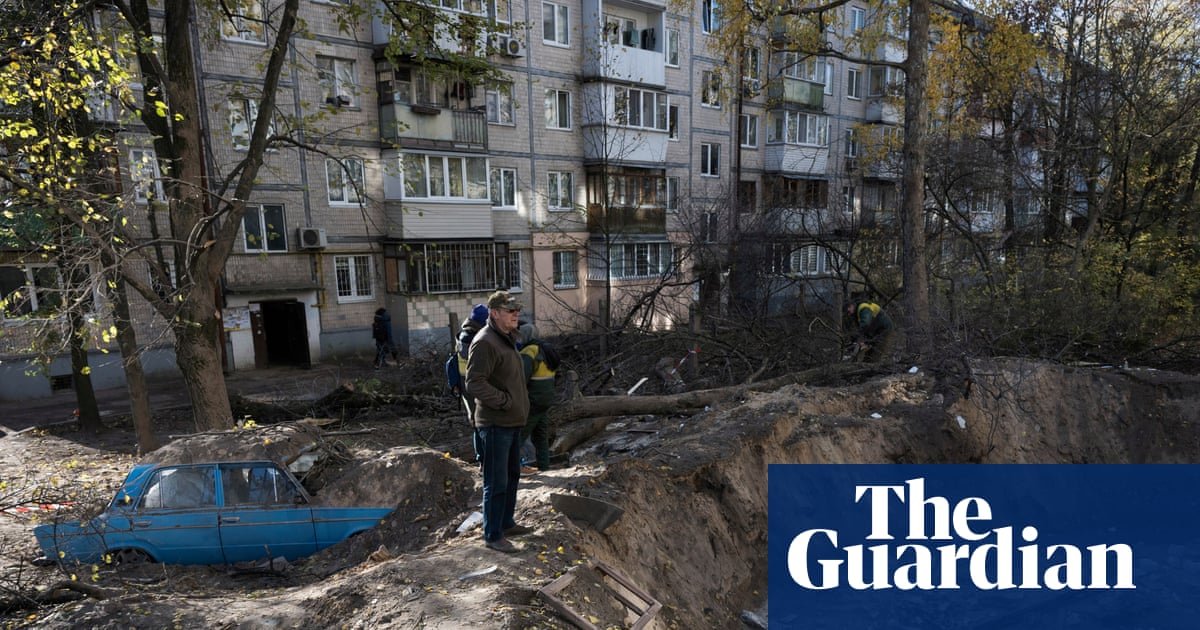
On the infrastructure front, the bombardment caused direct physical damage beyond electrical transformers, striking Kyiv's Pivnichnyi Bridge and severing trolleybus overhead power cables. According to Ukrainian energy minister Denys Shmyhal, emergency power cuts were triggered across Dnipropetrovsk, Donetsk, Kyiv, Zhytomyr, and Kharkiv regions, compounding a domestic deficit where every power plant in the country has incurred damage.
Every power plant in Ukraine has been damaged in one way or another by attacks. We need equipment that works with our power grid, and we need it fast.
Who Supports and Who Opposes It
Ukrainian authorities firmly oppose negotiating under military coercion, accusing the Kremlin of escalating strikes specifically to weaken Kyiv's leverage before diplomats meet in the United Arab Emirates. Ukrainian officials have insisted on maintaining strong international sanctions on Russia and obtaining firm bilateral defence guarantees before agreeing to lasting commitments.
In Europe, political figures have voiced sharp debate over diplomatic concessions. French political leader Jean-Luc Mélenchon stated at a rally near Paris that any peace settlement involving territorial changes must not occur without consulting the affected populations directly. Within the European Union, Giorgia Meloni criticised uncoordinated talks, arguing that fragmented formats diminish Western credibility. Meanwhile, US Secretary of State Marco Rubio expressed caution, indicating that a comprehensive negotiated settlement in the coming months remains far from certain.
I don't know if negotiated peace is achievable in Ukraine. That's what we're trying to find out. I don't think anyone here is claiming that we're on the verge of a negotiated settlement.
Where Things Stand
Repair operations are underway across affected energy substations in Vinnytsia, Zhytomyr, Rivne, Kharkiv, and Dnipro to stabilise grid capacity. Ukrainian emergency personnel in the southern town of Komyshuvakha, near Zaporizhzhia, are simultaneously continuing rescue efforts at an aid distribution site hit by Russian guided bombs, where the death toll reached 55.
Diplomatically, the primary track is centred on the upcoming Abu Dhabi session. Talks between Ukrainian and Russian delegations had been largely frozen since February, and the new trilateral round represents the fourth effort mediated under the auspices of US representatives.
What Happens Next
Negotiators are scheduled to begin formal discussions on Tuesday and Wednesday in Abu Dhabi. Parallel to the main talks, Western diplomats have explored incremental measures, such as a potential truce covering Black Sea shipping corridors to safeguard global food and energy shipments.
For Ukrainian civilians, the priority over coming days remains grid restoration as sub-zero weather tests municipal services. Kyiv continues to petition allied capitals to expedite the manufacturing and transfer of interceptor missiles, warning that delivery timelines stretching across several years leave current winter energy networks vulnerable to sustained missile salvos.
Frequently Asked Questions
Which regions in Ukraine lost power during the strikes?
Power cuts were confirmed across five administrative regions: Dnipropetrovsk, Donetsk, Kyiv, Zhytomyr, and Kharkiv, alongside strikes hitting substations in Vinnytsia and Rivne.
How many missiles and drones were launched in the attack?
Ukrainian authorities tracked an overnight barrage consisting of 36 ballistic missiles, including North Korean-manufactured KN-23s, and 172 drones.
What infrastructure was damaged in Kyiv?
In addition to electrical substations, strikes damaged residential buildings, a kindergarten, and the Pivnichnyi Bridge, where road traffic was halted to inspect overhead lines and structural surfaces.
When are the upcoming peace talks taking place?
Trilateral diplomatic discussions involving Ukrainian, Russian, and US envoys are scheduled to take place on Tuesday and Wednesday in Abu Dhabi.
What air defence equipment is Ukraine requesting?
Kyiv has requested faster delivery of Patriot PAC-3 interceptor missiles under an approved $2.1 billion US package to counter incoming ballistic threats against its power grid.