
Skywatchers across the UK are preparing for a rare astronomical event on Wednesday evening, as the moon obscures more than 90% of the sun across vast swathes of Britain and Ireland. Marked as the deepest solar eclipse visible from western Europe since 1999, western coastal areas and high elevated grounds will yield the most striking views during the early evening hours.
What People Are Searching For
People across the country are scouring eclipse maps to figure out exact timing and local visibility levels. Many want to know whether they will experience total darkness, what specific path the eclipse follows, and where to position themselves for the clearest viewing angle as the sun dips towards the western horizon.
What Is Confirmed
Astronomical observations confirm that the moon will cover between 88% and 98% of the sun across the UK and Ireland on Wednesday, beginning around 18:10 BST. The extent of coverage varies by geography, with western and southwestern locations enjoying the highest percentage of solar obscuration.
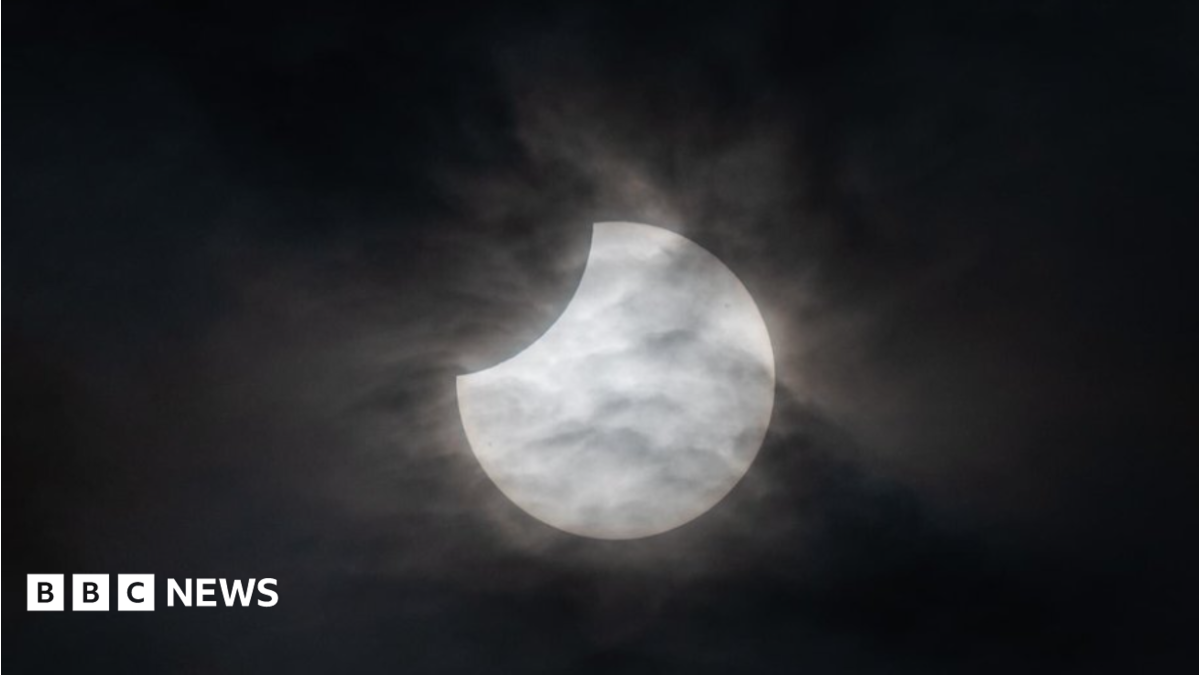
Specific coverage highlights and timing across key UK and Irish locations include:
- Skellig Michael (County Kerry): 98.01% coverage (Peaks at 19:13 BST)
- Plymouth: 95.0% coverage
- Dublin: 93.99% coverage (Peaks at 19:10 BST)
- Derry: 93.77% coverage (Peaks at 19:07 BST)
- Armagh: 93.66% coverage (Peaks at 19:08 BST)
- Cardiff: 93.2% coverage
- Belfast: 93.05% coverage (Peaks at 19:08 BST)
- Manchester: 91.9% coverage
- London: 91.4% coverage
- Edinburgh: 90.7% coverage
- Newcastle: 90.2% coverage
- Shetland: 88.0% coverage
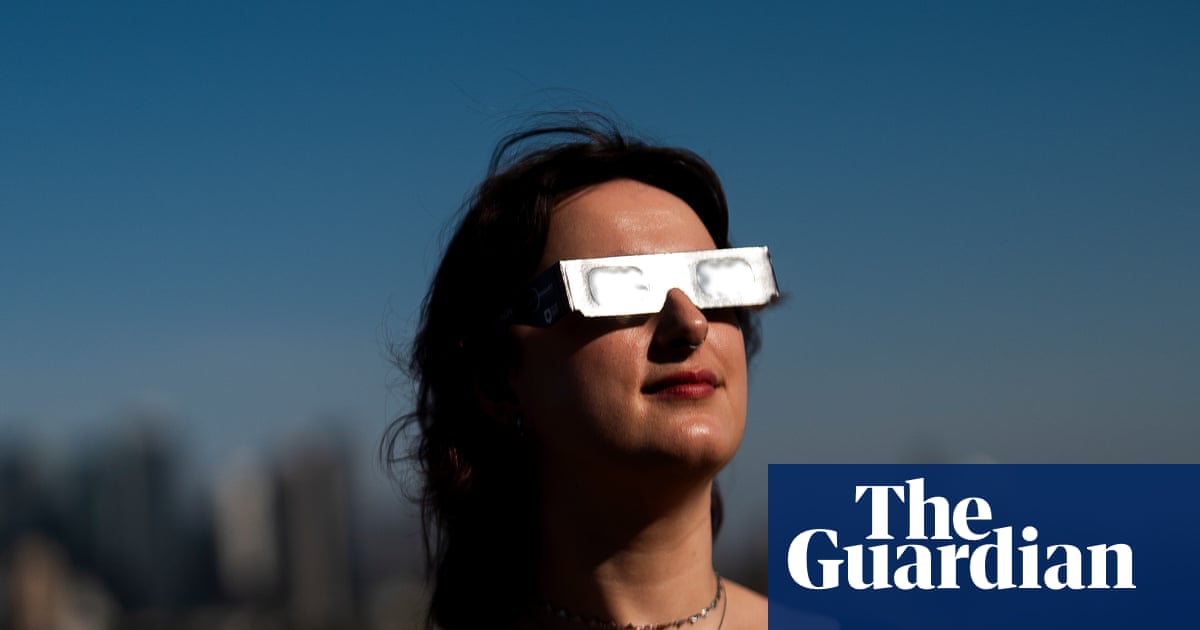
Eye safety is paramount during partial solar events. Experts strictly warn against looking directly at the sun with the naked eye or using unfiltered smartphones, cameras, or binoculars. Safe viewing options include certified eclipse glasses, pinhole card projection, or household tools like a colander to project the eclipse image.
- Partial Solar Eclipse
- An astronomical event where the moon passes between the Earth and the sun, but the three bodies do not align perfectly, leaving a crescent of the sun visible.
- Total Solar Eclipse
- An event where the moon completely covers the disk of the sun, casting a complete shadow on a specific path on Earth.
What Is Unconfirmed
While the celestial geometry is entirely predictable down to the second, the actual visible spectacle remains subject to local weather conditions. Thick cloud cover could obscure the view across central and eastern regions, converting the dramatic partial eclipse into a general, overcast dimming of daylight.
The Bigger Picture
A path of total eclipse will cross parts of Greenland, Iceland, and northern Spain, where spectators will experience total darkness lasting up to 2 minutes and 18 seconds. For the UK, this partial eclipse marks the largest solar obscuration since 1999 and serves as the last chance for British skywatchers to witness a coverage level above 90% until 2081.
Even though more than 90% of the sun will be covered, it will still be kind of bright, but it should seem like you're under some thick cloud.
Adding to the celestial display, the Perseid meteor shower reaches its annual peak just hours later overnight into Thursday. Guided by a new moon that leaves night skies dark, observers away from city lights can expect up to 100 meteors per hour emanating from the constellation Perseus.
Latest Status
The solar eclipse begins at approximately 18:10 BST, reaching maximum obscuration near 19:08 BST, before concluding around 20:05 BST. High elevated spots facing west — such as Parliament Hill, Primrose Hill, or elevated coastal ridges — offer the best positions to watch the sun as it dips towards the horizon.
People Also Ask
Where in the UK will get the best view of the solar eclipse?
Western and southwestern locations offer the highest coverage. Plymouth will see 95% of the sun covered, while Cardiff and Belfast will experience over 93% coverage.
What time does the solar eclipse start in the UK today?
The event begins across most regions around 18:10 BST, reaching its maximum peak obscuration between 19:07 BST and 19:13 BST depending on your location.
Can I look at a partial solar eclipse with the naked eye?
No. Even when more than 90% of the sun is obscured, the remaining sunlight is intense enough to cause irreversible eye damage. Always use certified solar glasses or indirect pinhole projection.
When is the next total solar eclipse visible from the UK?
The next total solar eclipse will not be visible from the UK mainland for decades, making this week's 90%+ partial eclipse the significant event until 2081.