Burst Water Main on Brishing Lane: How a Local Failure Became a Regional Crisis
The burst water main on Brishing Lane in Maidstone has become a flashpoint in a wider debate about water infrastructure resilience across South East England. What began as a local engineering failure quickly escalated into prolonged supply disruptions affecting tens of thousands of households, drawing scrutiny from regulators, politicians, and residents alike. This digest unpacks how events unfolded, how different outlets have framed the crisis, and why the implications stretch well beyond one road in Kent.
Main Topic Overview
Brishing Lane sits at a critical junction in South East Water’s network, and the rupture exposed vulnerabilities that had been quietly accumulating for years. The incident coincided with cold weather stress on ageing pipes, compounding the difficulty of repairs. As outages spread across Kent and Sussex, the story shifted from a technical fault to a broader examination of governance, investment, and public accountability in the region’s water supply.
News Coverage
South East Water licence to be reviewed after supply chaos
The BBC focuses on regulatory consequences following the Brishing Lane burst, highlighting Ofwat’s decision to review South East Water’s operating licence. The report frames the outage as a tipping point rather than an isolated mishap, noting prior warnings about network resilience. By placing regulatory action at the centre, the coverage links local disruption to national oversight mechanisms. It also signals that accountability may extend beyond emergency repairs into long-term compliance and investment requirements.
Tunbridge Wells water supply crisis not good enough, watchdog says
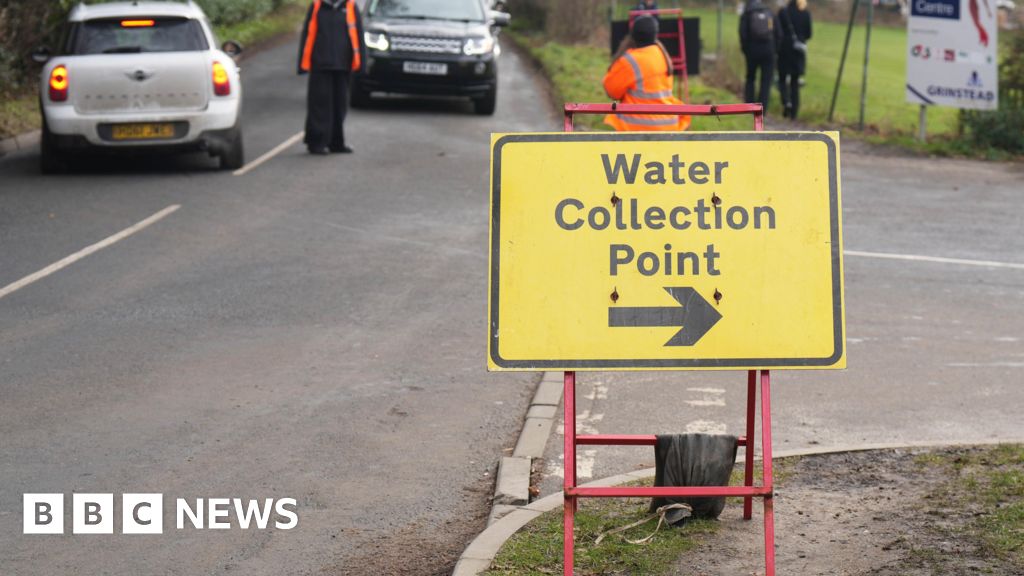
This piece broadens the lens to include the watchdog’s assessment of service standards during the outage. While Brishing Lane is not the sole focus, it is referenced as part of a chain of failures affecting Tunbridge Wells and surrounding areas. The article underscores dissatisfaction with communication and contingency planning. In doing so, it reinforces the idea that operational response is as critical as infrastructure integrity.
Thousands of properties still affected by water outages across South East England

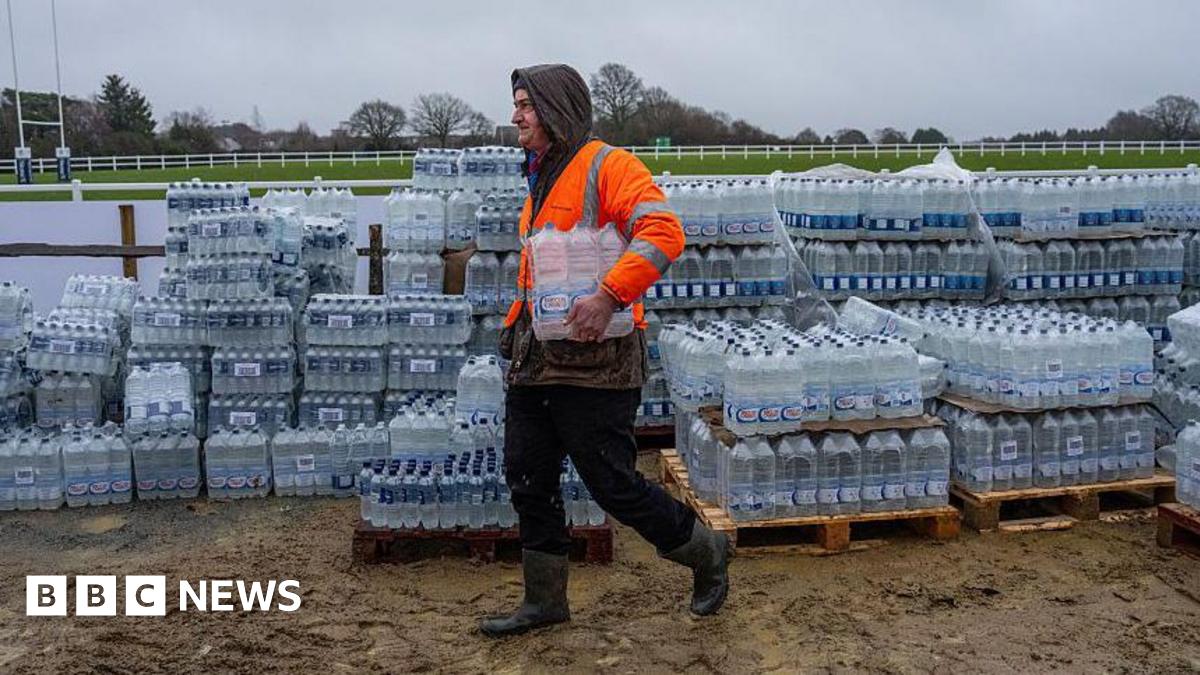
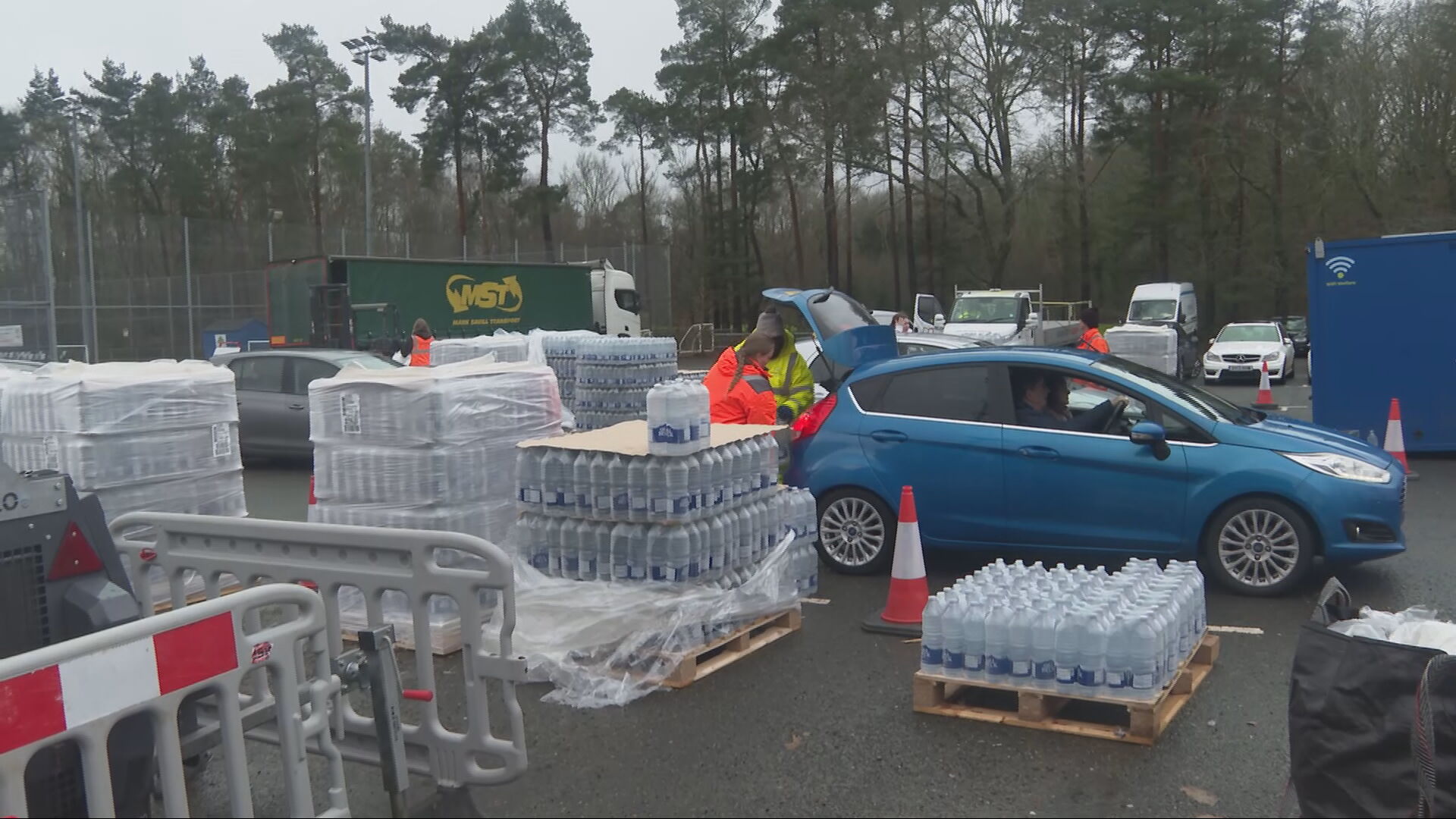
Sky News emphasises scale, mapping the ripple effect from Maidstone outward. The Brishing Lane burst is presented as a catalyst that exposed interconnected dependencies within the regional network. The report balances official statements with visuals of bottled water distribution points. This framing situates the incident within a logistics and emergency-planning narrative rather than a purely technical one.
‘It’s pretty grim’: Tunbridge Wells residents struggle through several days without water – again

The Guardian centres resident experience, using first-hand accounts to illustrate the human cost of repeated outages. Brishing Lane appears as part of a pattern rather than a singular accident, with references to previous disruptions. The narrative highlights fatigue and erosion of trust, suggesting that repetition intensifies impact. This approach connects infrastructure failure to social resilience and community wellbeing.
How did South East Water become such a disaster?

This analysis looks backward, tracing structural and financial decisions that predate the Brishing Lane incident. The article situates the burst within a longer history of underinvestment and complex ownership structures. By contextualising the failure, it suggests the crisis was foreseeable. The focus here is causality rather than immediate consequence.
Crisis-hit Tunbridge Wells water firm boss says higher bills are required

The Independent reports on executive commentary following the outages, including references to Brishing Lane as evidence of ageing assets. The argument presented links service reliability to consumer pricing. By giving space to management perspective, the piece adds an economic dimension to the narrative. It contrasts sharply with resident-focused accounts elsewhere.
Around 25,000 homes remain affected by water supply issues in Kent and Sussex
ITV’s coverage reinforces the persistence of disruption days after the initial burst. Brishing Lane is referenced within a timeline of repair attempts and rolling restorations. The report underscores uncertainty, with shifting estimates for full recovery. This maintains focus on operational follow-through rather than origin.
Thousands of homes in Sussex and Kent still without water supply
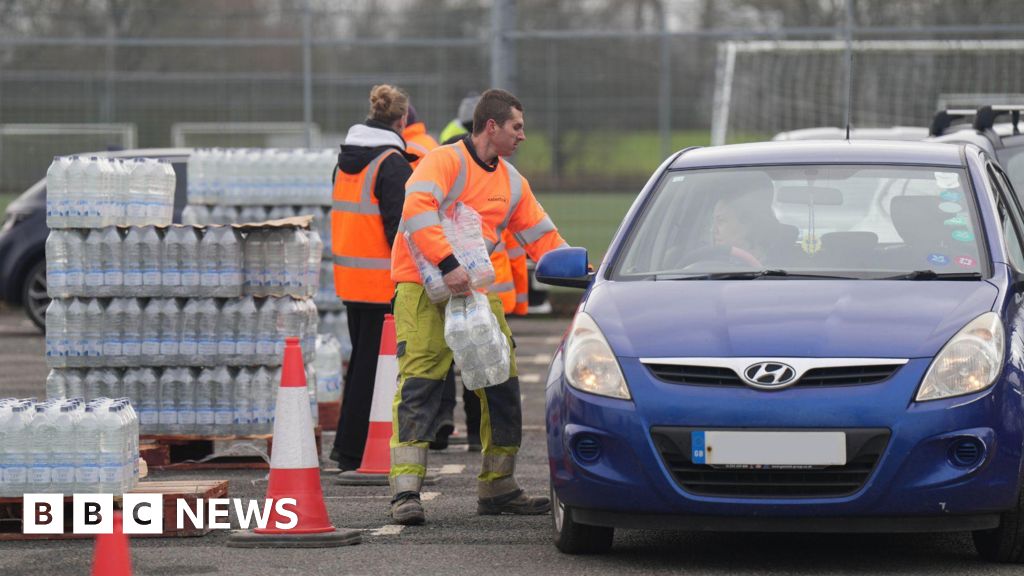
This earlier BBC report captures the initial escalation phase, when the Brishing Lane burst first began affecting wider areas. The tone is factual, focusing on numbers of households and emergency measures. In retrospect, it serves as a baseline against which later criticism and regulatory action are measured. The progression illustrates how quickly a local fault can become systemic.
Kent water failure was foreseen and could have been stopped, regulator says

This report introduces a critical dimension: foresight. By citing regulatory assessments predating the Brishing Lane burst, it suggests the incident fits a known risk profile. The article links technical warnings to strategic inaction. As part of the wider narrative, it raises questions about preventative governance rather than reactive response.
Summary / Insights
Taken together, coverage of the Brishing Lane burst shows a clear narrative arc: from unexpected local failure, to regional disruption, to systemic scrutiny. Different outlets emphasise regulation, human impact, financial structure, and governance, but converge on the idea that the incident exposed long-standing vulnerabilities. Historically, similar outages have prompted temporary fixes; whether this episode leads to structural change remains an open question.