UK Weather Forecast: Why Snow Maps, Storm Warnings and ‘Beast from the East’ Fears Are Colliding Again
Across the UK, winter weather anxiety is rising as snow maps, storm warnings and familiar phrases like “Beast from the East” return to headlines. Over recent days, a cluster of forecasts, warnings and speculative models has created a confusing picture for the public, blending hard meteorological guidance with more dramatic projections. This digest unpacks what is being reported, why the narrative has intensified, and how different sources are framing the potential risks.
Main Topic Overview
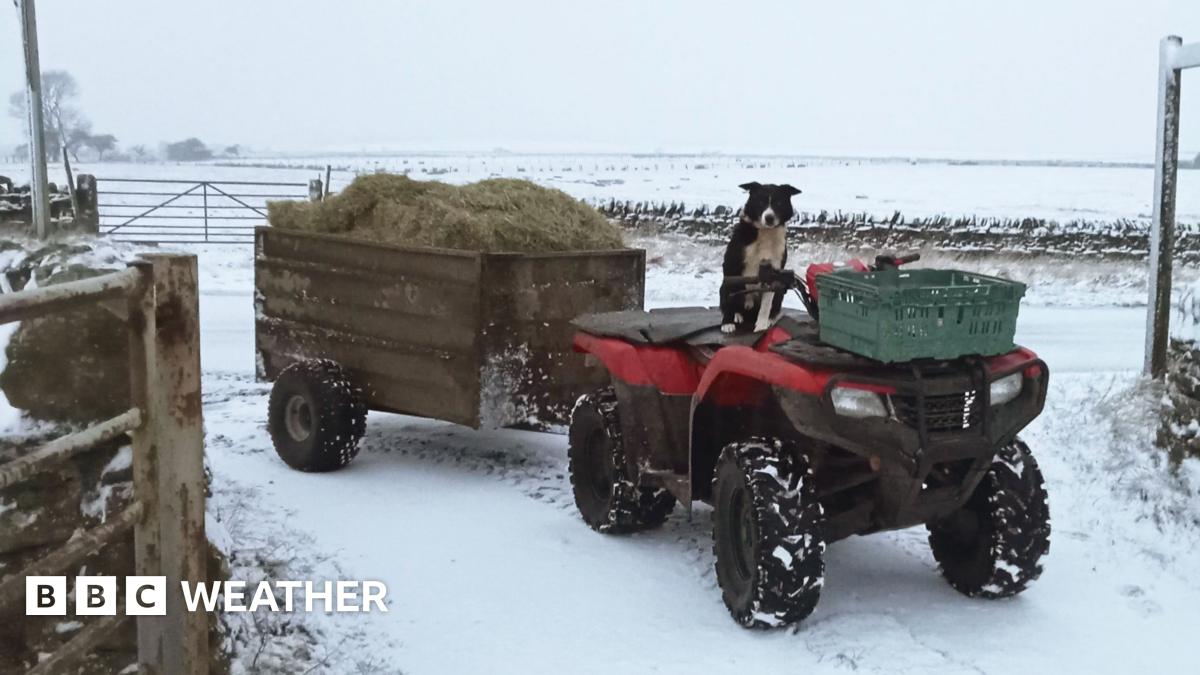
The current UK weather trend centres on the possibility of a renewed cold spell during mid to late January, with some outlets suggesting disruptive snowfall across large parts of Britain. These claims are emerging alongside official warnings focused more on heavy rain, flooding and hazardous conditions rather than confirmed widespread snow. Historically, the phrase “Beast from the East” carries strong emotional weight after the severe cold events of 2018 and subsequent winters, making any suggestion of its return especially attention-grabbing.
This is not the first time long-range models and short-term forecasts have appeared to diverge. In previous winters, early snow projections have softened or shifted as weather systems evolved closer to the event. Understanding the distinction between speculative modelling and official guidance is central to interpreting the current coverage.
News Coverage
Exact date huge 'Beast from the East' style storm will hit UK with inches of snow

This article leans heavily on long-range weather modelling, presenting a specific date for a cold outbreak reminiscent of past “Beast from the East” events. The focus is on dramatic snowfall totals and nationwide disruption, framed as a near-certainty rather than a possibility. While visually compelling forecast maps are used, the piece offers limited distinction between probabilistic models and confirmed forecasts, contributing to a heightened sense of urgency.
Met Office issues verdict on return of cold snap as 'hazardous weather' could hit UK

Here, the narrative shifts towards official guidance, centring on the Met Office’s cautious language. Rather than confirming snow, the emphasis is on “hazardous weather,” which may include cold conditions, ice, or heavy precipitation. The article highlights uncertainty and avoids firm timelines, reflecting how meteorological agencies typically communicate risk when confidence levels remain moderate.
UK snow: Exactly when mega 10-day Beast from the East could blast Britain

This report expands the timeframe to a prolonged ten-day event, drawing comparisons with historical cold spells. It blends expert commentary with model-based projections, suggesting sustained low temperatures and snow risk. While the language remains dramatic, there is some acknowledgement that forecasts at this range are subject to change, reflecting a balance between speculation and caution.
Next UK snow bomb covering miles with Yorkshire set for 30cm

This regional-focused piece narrows attention to northern England, particularly Yorkshire. By localising the forecast, it explores how topography and regional weather patterns could amplify snowfall if colder air arrives. The article underscores how impacts may vary significantly across the UK, even if a broader cold trend develops.
Snow forecast maps show mile-wide 30cm blizzard hitting cities in days

This article relies heavily on visual forecast maps to convey scale and immediacy. The framing suggests rapid onset and widespread urban impact, reinforcing the perception of an imminent event. However, the focus on maps over meteorological context highlights a recurring pattern in snow coverage, where imagery can overshadow uncertainty.
New UK weather maps show date Birmingham could get inches of snow

Focusing on the Midlands, this report reflects public demand for hyper-local forecasts. It explores how national models translate into city-level outcomes, while acknowledging that snowfall totals remain uncertain. The article illustrates how regional reporting can personalise broader weather narratives.
Weather warnings for parts of UK as rain continues
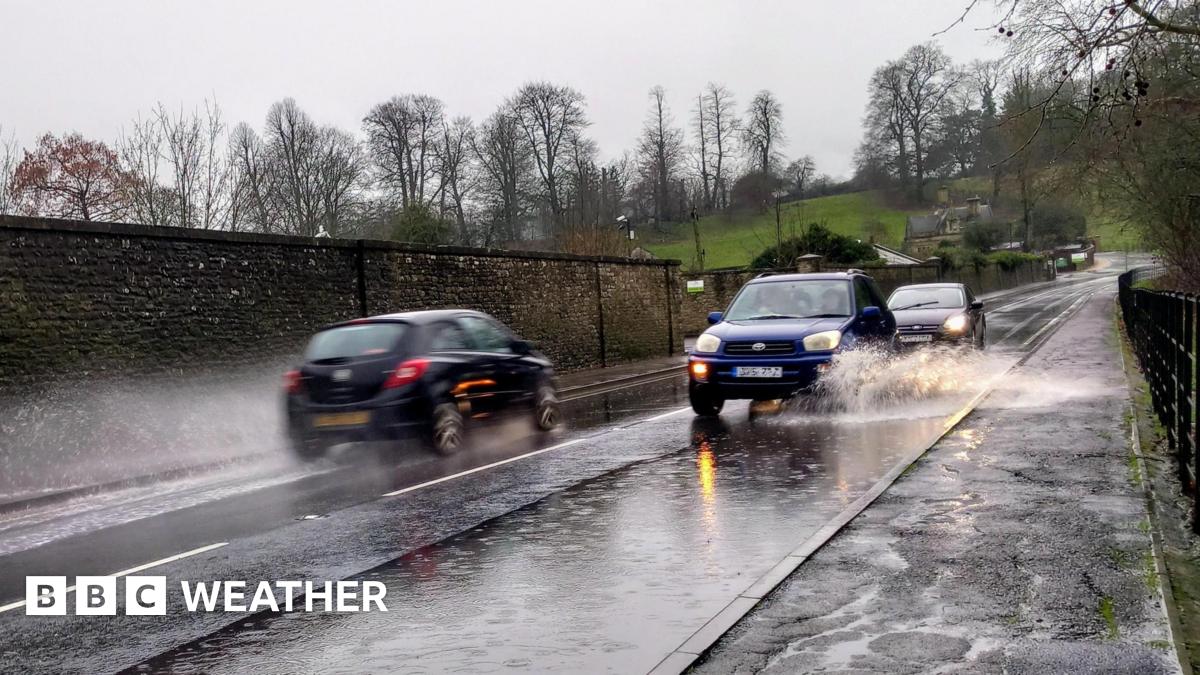
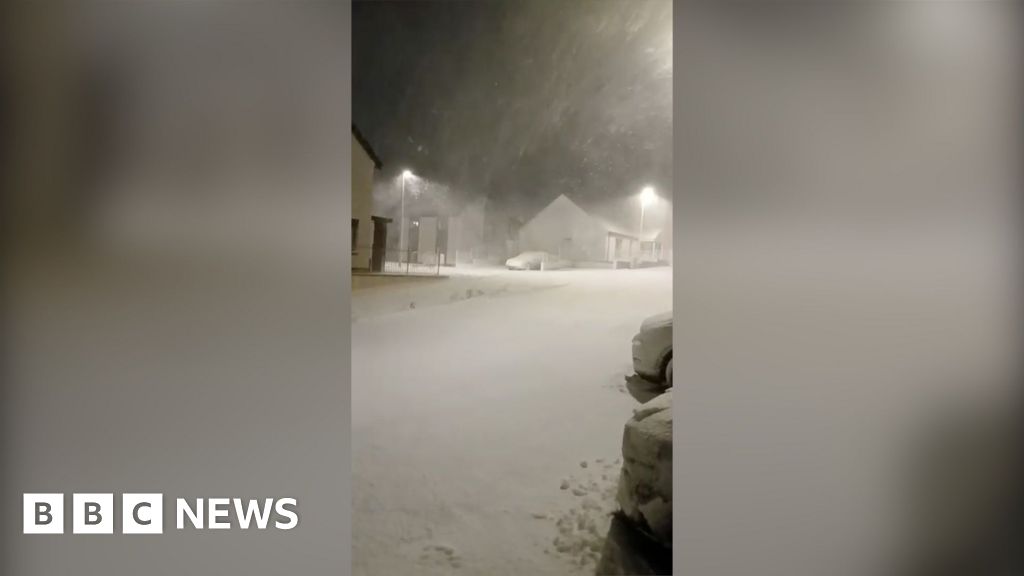
In contrast to snow-focused headlines, this BBC report concentrates on ongoing rain and flood risk. It highlights official warnings and near-term hazards already affecting communities. The article serves as a reminder that current impacts may be more immediate than speculative cold scenarios.
Heavy rain warning for South East issued by Met Office
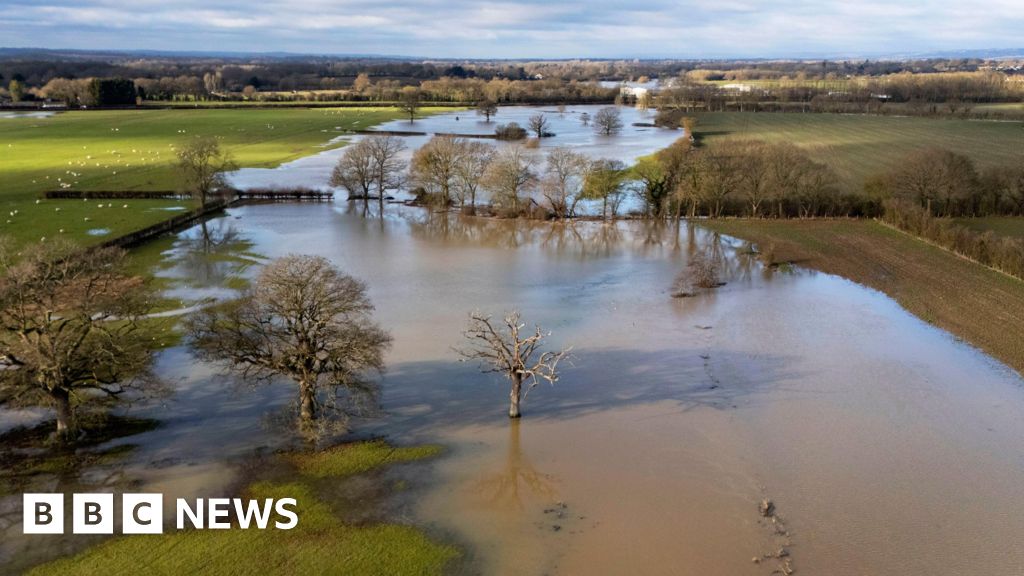
This report reinforces the official emphasis on rainfall rather than snow. It details potential disruption from saturated ground and surface water flooding, offering practical context for residents. The contrast with snow-heavy coverage illustrates how different outlets prioritise different risks within the same weather system.
Summary / Insights
Taken together, the coverage reveals a split narrative. Popular tabloids and regional outlets emphasise snow potential and dramatic cold scenarios, often tied to long-range models. Meanwhile, official sources and broadcasters focus on immediate hazards like rain and flooding, using more cautious language. This tension between speculation and confirmation is a recurring feature of UK winter forecasting, shaped by public memory of past extreme events.
While colder weather remains a possibility, the balance of evidence suggests that confidence in widespread disruptive snow is still evolving. As in previous winters, clarity is likely to increase only as forecasts move closer to real-time conditions.
TL;DR
Snow headlines are growing louder, but official forecasts currently stress rain and general hazards. The true shape of any cold spell will become clearer in the days ahead.