The Grossglockner Tragedy: Legal Reckoning After Mountain Death
A high-profile trial in Austria has captured significant public attention in Great Britain, focusing on the ethical and legal responsibilities of mountaineers toward their companions. The case involves the death of Kerstin G., a 27-year-old German climber who succumbed to extreme conditions on Grossglockner, Austria's highest peak, in September 2024. The proceedings have sparked a wider conversation regarding the duty of care in extreme sports and the point at which personal survival instincts clash with legal obligations to help those in distress.
Main Topic Overview
At the heart of this trend is the trial of 32-year-old Thomas P., who faces charges of manslaughter by negligence. During an ascent of the 3,798-metre mountain, the couple encountered severe weather, including gale-force winds and freezing temperatures. While Thomas P. successfully descended and sought help, Kerstin G. was left behind in a crevice and died of hypothermia. The case is particularly notable due to the existence of video evidence and the debate over whether the defendant could have done more to assist his partner without venturing into certain death himself. This incident echoes previous high-altitude tragedies where the "ethics of the mountain" have been scrutinised by low-land judicial systems.
Climber on trial for leaving girlfriend to die on Austria's highest mountain
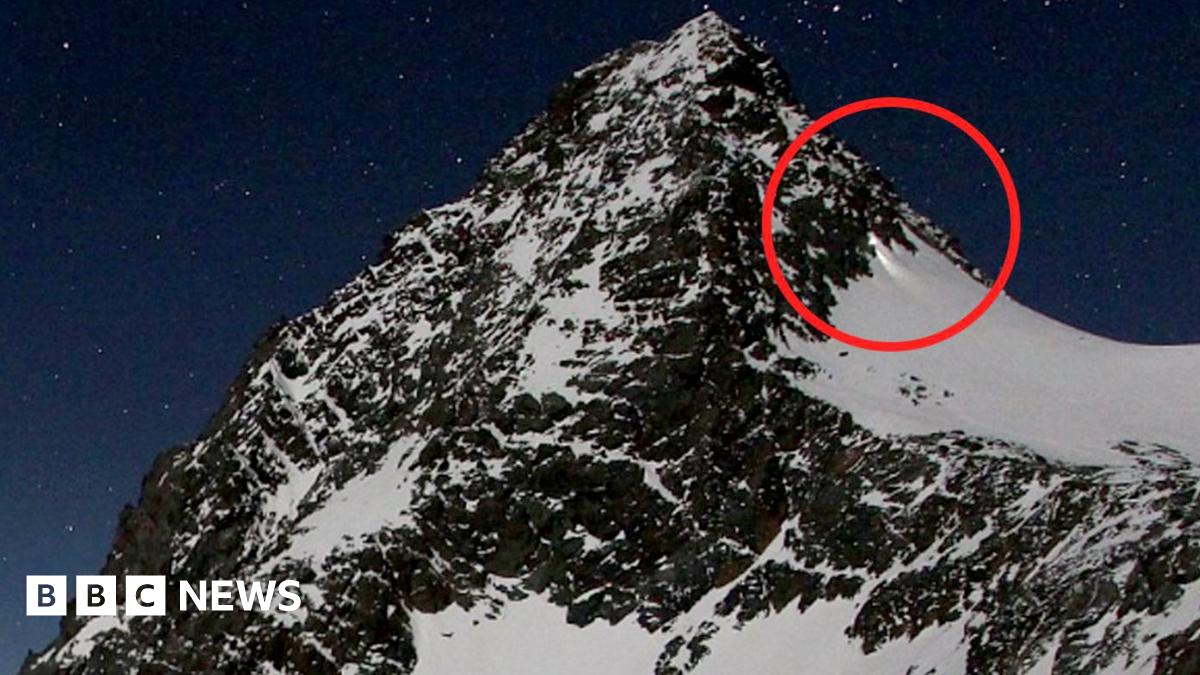
The BBC reports on the commencement of the trial in Salzburg, detailing the harrowing final moments of the climb. The prosecution argues that Thomas P. abandoned Kerstin G. when she became too exhausted to continue, despite the inherent risks of the environment. A central piece of evidence is a video filmed by the defendant himself, which reportedly shows the victim in a state of extreme distress. This report establishes the core legal conflict: whether the defendant's decision to leave was a necessary act of self-preservation or a criminal failure to provide assistance to a person in his care.
Austrian climber faces manslaughter trial after girlfriend froze to death on mountain

The Independent provides context on the specific charges, noting that the manslaughter trial focuses on the "negligent" aspect of the climber's actions. The coverage highlights the timeline of the rescue mission, which was hampered by the same brutal weather that claimed Kerstin G.'s life. By focusing on the difficulty rescuers faced, the article helps the reader understand the severity of the conditions, which serves as a counterpoint to the prosecution's claims that assistance was feasible. This adds a layer of complexity to the trend, illustrating the fine line between negligence and impossibility in alpine environments.
Trial of climber boyfriend filmed 'leaving exhausted & freezing girlfriend' to die

This coverage emphasizes the visual evidence presented to the court, specifically the mobile phone footage. The report describes the emotional weight of the evidence, where the victim is heard pleading for help. This detail has intensified the public interest in the case, as it moves the discussion from abstract legal theory to a visceral human tragedy. The Sun's focus on the defendant's alleged lack of immediate action after reaching safety—waiting several hours before alerting authorities—is a critical component of the trend's narrative regarding accountability.
Climber seen descending mountain after 'leaving girlfriend to die at 11,000ft'

The Mirror explores the witness testimonies, including those of other climbers and mountain guides who were in the vicinity. One witness describes seeing the defendant descending alone, which contrasts with the usual safety protocols of mountaineering that dictate staying with a partner. This perspective is vital to the trend as it introduces professional standards of climbing into the legal debate. By highlighting the altitude (over 3,400 metres) where Kerstin G. was left, the article underscores the lethality of the situation and why the defendant's solo descent is being viewed with such scrutiny.
Summary / Insights
The trial of Thomas P. represents a significant legal test of "failure to render assistance" in the context of extreme mountaineering. Key themes emerging from the coverage include the use of digital evidence (phone footage) as a primary witness, the tension between individual survival and collective responsibility, and the role of professional mountaineering ethics in court. While the defence argues that any further attempt to save Kerstin G. would have resulted in two deaths, the prosecution focuses on the hours of inaction and the alleged abandonment. The outcome of this case may set a precedent for how future alpine accidents are investigated and prosecuted in Europe.
TL;DR
- The Incident: Kerstin G. died of hypothermia on Austria's Grossglockner mountain in 2024.
- The Trial: Her partner, Thomas P., is on trial for manslaughter by negligence for leaving her behind.
- Evidence: Video footage of the victim in distress and witness reports of a solo descent are central to the case.
- The Debate: Legal duty of care vs. the physical impossibility of rescue in extreme weather.