UK Retailers Use Anti-Theft Boxes for Chocolate Bars Amid Rising Shop Theft
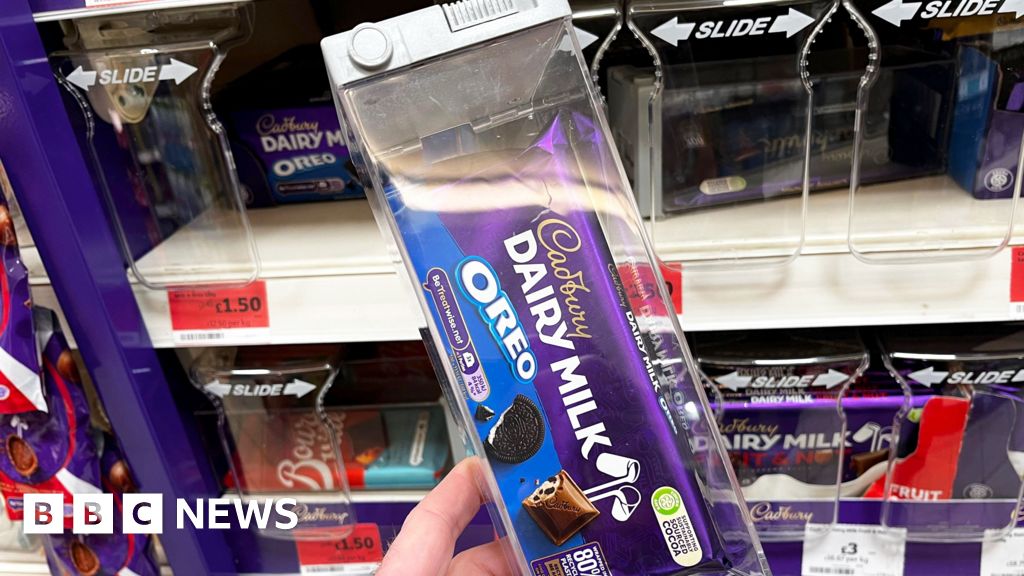
Major UK retailers have begun securing chocolate bars inside locked plastic anti-theft boxes to combat a significant increase in shoplifting. Shops are reporting that high-value confectionery is increasingly being targeted by organized groups stealing items to order. This security measure follows similar actions taken for high-end electronics and alcohol.
TL;DR
- Retailers are placing low-cost chocolate bars in individual security cases.
- Shoplifting rates for confectionery have surged across the UK.
- Store staff must now unlock items at the checkout for customers.
- The move reflects a shift toward securing everyday food items against organized theft.
What Happened
In early 2026, customers at major supermarkets including Sainsbury’s and Tesco observed chocolate bars, some priced as low as £1.25, stored in clear plastic security boxes. Retailers confirmed that these measures were implemented in response to a spike in theft incidents. The trend has shifted from targeting luxury goods to everyday staples and confectionery, leading to visible changes in how products are displayed on shelves.
Key Developments
Retailers have reported that chocolate is being "stolen to order," indicating involvement by organized criminal elements rather than isolated opportunistic theft. Security tags and GPS-enabled boxes have been deployed in high-risk areas. Official statements from retail associations highlight that the cost of shoplifting has reached record levels, forcing stores to invest in physical deterrents that alter the shopping experience. Some branches have also increased the presence of security personnel near the confectionery aisles.
Why This Matters
The implementation of anti-theft boxes for low-value items indicates the severity of retail losses in the UK. It affects operational efficiency, as staff must spend more time unlocking items, and impacts the customer experience. This trend highlights a broader issue of rising retail crime and the subsequent costs passed on to consumers through security investments and potential price adjustments.
What Happens Next
Retailers are expected to monitor the effectiveness of these security boxes in reducing stock loss. If successful, the use of such deterrents may expand to other food categories frequently targeted by shoplifters. Industry bodies are also calling for stronger police intervention and legislative changes to address the root causes of the retail crime surge.
FAQ
Why is chocolate being locked in boxes?
Retailers are using security boxes to prevent a surge in shoplifting, specifically targeting organized groups that steal chocolate to resell it. The boxes act as a physical deterrent and trigger alarms if removed from the store.
Which UK supermarkets are using these security measures?
Reports have identified these measures in several major chains, including Sainsbury’s, Tesco, and various independent retailers across the UK. The rollout is typically concentrated in branches identified as high-risk for theft.
Does this make the chocolate more expensive?
While the shelf price may remain the same, the cost of implementing security measures adds to the retailer's overhead. Industry experts suggest that high retail crime levels can eventually lead to price increases for consumers.
How do I buy chocolate that is in a security box?
Customers can take the boxed item to the checkout as usual. The cashier or self-service assistant will use a specialized tool to unlock the case once the item has been paid for.