Packers Avenue Crash Puts Madison’s Street Safety Promises Under a Microscope
In mid-January, a fatal pedestrian crash on Madison’s Packers Avenue triggered a wave of public concern, official responses, and renewed debate over how safe the city’s busiest corridors really are. What began as a tragic incident quickly evolved into a broader conversation about infrastructure, accountability, and whether long-standing road safety strategies are keeping pace with reality. This digest unpacks how the story unfolded, how officials and residents responded, and why the crash has become a focal point for wider transportation policy discussions in Madison.
Main Topic Overview
Packers Avenue has long been recognized by residents and planners as a high-traffic arterial connecting neighborhoods, commercial zones, and commuter routes. Over the years, it has also been associated with speeding concerns, complex intersections, and pedestrian vulnerability. The recent fatal crash did not occur in isolation; rather, it intersected with ongoing city initiatives aimed at reducing traffic deaths, including Madison’s adoption of Vision Zero principles. As details emerged, the incident became a test case for how those principles translate from policy documents into real-world outcomes.
News Coverage
Madison residents near fatal Packers Avenue crash calling for safer streets
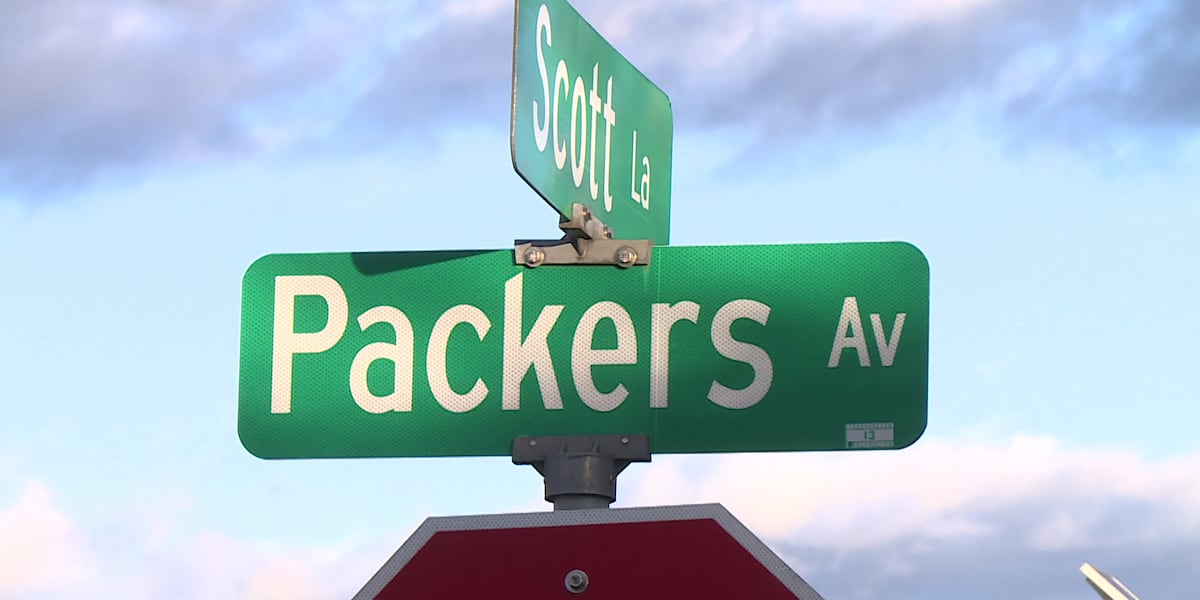
This report centers on residents living near the crash site, many of whom described a long history of near-misses and risky driving behavior along Packers Avenue. Neighbors pointed to speeding vehicles, limited crossing opportunities, and design features that prioritize traffic flow over pedestrian safety. Their reactions framed the crash not as a sudden anomaly, but as the culmination of unresolved safety issues. By elevating resident voices, the coverage highlights how local experience often precedes official action in identifying dangerous corridors.
Madison officials respond to deadly pedestrian crash with Vision Zero Safety initiatives
City officials framed their response within Madison’s Vision Zero framework, which aims to eliminate traffic fatalities through systemic changes. The article outlines proposed measures such as traffic calming, enhanced crosswalk visibility, and data-driven enforcement. Officials emphasized that no single factor causes these crashes, pointing instead to road design, driver behavior, and speed as interconnected risks. The coverage situates the crash as both a tragedy and a catalyst, prompting renewed scrutiny of how Vision Zero commitments are implemented on high-risk streets.
Woman hit, killed by vehicle on Packers Ave. identified

This piece focuses on the identification of the victim, shifting attention from infrastructure debates to the human cost of the crash. By naming the individual and outlining the circumstances, the report underscores that traffic safety statistics represent real lives lost. The identification also marked a transition in coverage, as public attention moved from initial shock toward questions of responsibility and prevention. In the broader narrative, this article reinforces why community members and officials alike framed the incident as more than a routine traffic report.
Woman Killed Crossing a Madison Street

This report places the Packers Avenue crash within a wider pattern of pedestrian fatalities in Madison and across Wisconsin. By connecting the incident to similar cases, it suggests that the risks faced by pedestrians are not confined to one street or neighborhood. The article’s broader framing adds historical context, reminding readers that debates over crosswalk safety, lighting, and speed limits have surfaced repeatedly after past incidents. In doing so, it reinforces the sense that the Packers Avenue crash is part of an ongoing safety challenge.
Madison, WI – Fatal Crash: Woman Struck and Killed on Packers Ave

The Country Herald coverage provides a concise account of the crash details, including location, timing, and initial police response. Its emphasis on verified facts reflects the early stage of reporting, before arrests or policy responses were announced. This article serves as the chronological starting point of the story, capturing how the incident entered public awareness. Within the larger digest, it anchors later discussions by establishing what was known before investigations and community reactions unfolded.
Madison Police: Driver arrested in deadly Packers Ave. pedestrian crash
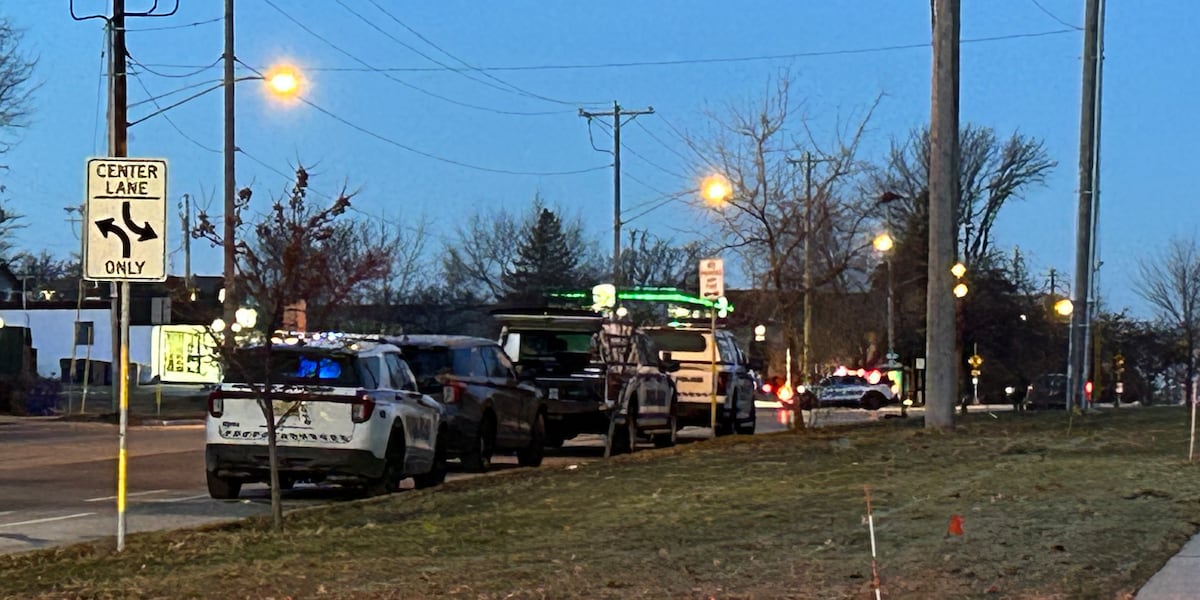
The announcement of an arrest marked a turning point in the narrative, introducing legal accountability alongside safety policy debates. Police outlined the charges while noting that the investigation remained ongoing, reflecting the procedural nature of the case. This development added another layer to public discussion, as attention balanced between individual responsibility and systemic road design. The article illustrates how criminal proceedings and policy reform often advance in parallel after high-profile crashes.
Summary / Insights
Taken together, the coverage shows how a single crash can accelerate long-running conversations about urban safety. Residents emphasized lived experience, officials pointed to structured initiatives like Vision Zero, and law enforcement addressed the immediate legal process. Historically, Madison has revisited similar debates after previous pedestrian fatalities, suggesting a recurring cycle of tragedy, reflection, and incremental change. The Packers Avenue case stands as a moment where those threads converged, leaving open questions about how quickly and effectively promised safety measures will reshape the street.
TL;DR
A fatal pedestrian crash on Madison’s Packers Avenue sparked community calls for safer streets, official responses tied to Vision Zero, and a criminal investigation resulting in an arrest. The incident has become a focal point for broader debates about road design, enforcement, and pedestrian safety across the city.