The Travis Turner Case: A Local Mystery That Escalated Into a National Reckoning
The disappearance of high school football coach Travis Turner has shifted from a missing-person investigation into a broader examination of school governance, accountability, and how institutions respond when serious allegations surface. What began as a local crisis in Wise County, Virginia has, within weeks, drawn national media attention, emotional public meetings, and renewed scrutiny of how school boards handle transparency under pressure.
Main Topic Overview
Travis Turner, a high school football coach, vanished amid allegations that later emerged through court filings, family statements, and public testimony. While law enforcement efforts have focused on locating Turner, parallel attention has turned toward the school district and its handling of complaints tied to the case. Parents, students, and community members argue the issue extends beyond one individual, raising questions about oversight, reporting mechanisms, and institutional response.
This is not the first time a school district has faced criticism during an active investigation. Previously in similar cases across the U.S., community frustration has often centered on perceived silence from authorities rather than confirmed findings. In Wise County, that pattern appears to be repeating, with the school board becoming a focal point of public concern.
News Coverage
Wise County School Board allows public comment for the first time since Turner case

This report documents a turning point in the local response, as the Wise County School Board reopened public comment after weeks of silence. Community members used the meeting to express frustration over limited communication and to demand clarity on policies surrounding student safety. The decision to allow comment did not resolve outstanding questions, but it marked an acknowledgment of growing public pressure. The board’s move highlights how governance bodies often shift strategy once scrutiny intensifies.
Victim of missing high school football coach Travis Turner breaks silence at school board meeting

This coverage focuses on emotional testimony delivered during the reopened meeting, where an alleged victim addressed the board publicly for the first time. The account emphasizes personal impact rather than procedural detail, illustrating how individual narratives can reshape public discourse. While the allegations themselves remain subject to investigation, the testimony intensified calls for institutional accountability. Such moments often alter the tone of community debate, shifting it from abstract policy to lived experience.
Parents Call Out School Board as High School Coach Remains Missing

This piece situates the Turner case within a broader pattern of parental activism, noting how unresolved questions have fueled distrust toward school leadership. Parents interviewed describe uncertainty about safeguards and communication protocols. The article underscores how the absence of concrete updates can amplify speculation. In many past cases, prolonged silence has proven as damaging to public confidence as confirmed wrongdoing.
Wise County School Board gets criticism over Turner case

This regional report details sustained criticism directed at board members, focusing on governance rather than criminal allegations. Officials are portrayed as navigating legal constraints while facing demands for openness. The coverage reflects a familiar tension in public administration: balancing due process with community expectations. Historically, such conflicts often persist until external investigations conclude.
Travis Turner 'victim' breaks silence two months after fugitive coach vanished

This article highlights the timing of public statements, noting that the silence lasted nearly two months after Turner’s disappearance. The narrative stresses emotional weight while reiterating that investigations remain active. The delayed disclosure mirrors patterns seen in other high-profile cases, where individuals often wait for a perceived moment of safety or support before speaking publicly. The result has been renewed media momentum around the case.
Grandfather of missing high school football coach's alleged victim speaks out

This coverage adds a generational perspective, amplifying family voices calling for accountability and transparency. By focusing on relatives rather than officials, the article broadens the emotional scope of the story. Such perspectives often sustain public interest beyond initial headlines. Historically, family advocacy has played a significant role in keeping unresolved cases visible.
Victim of fugitive coach breaks silence: "They made me feel like I was the problem"
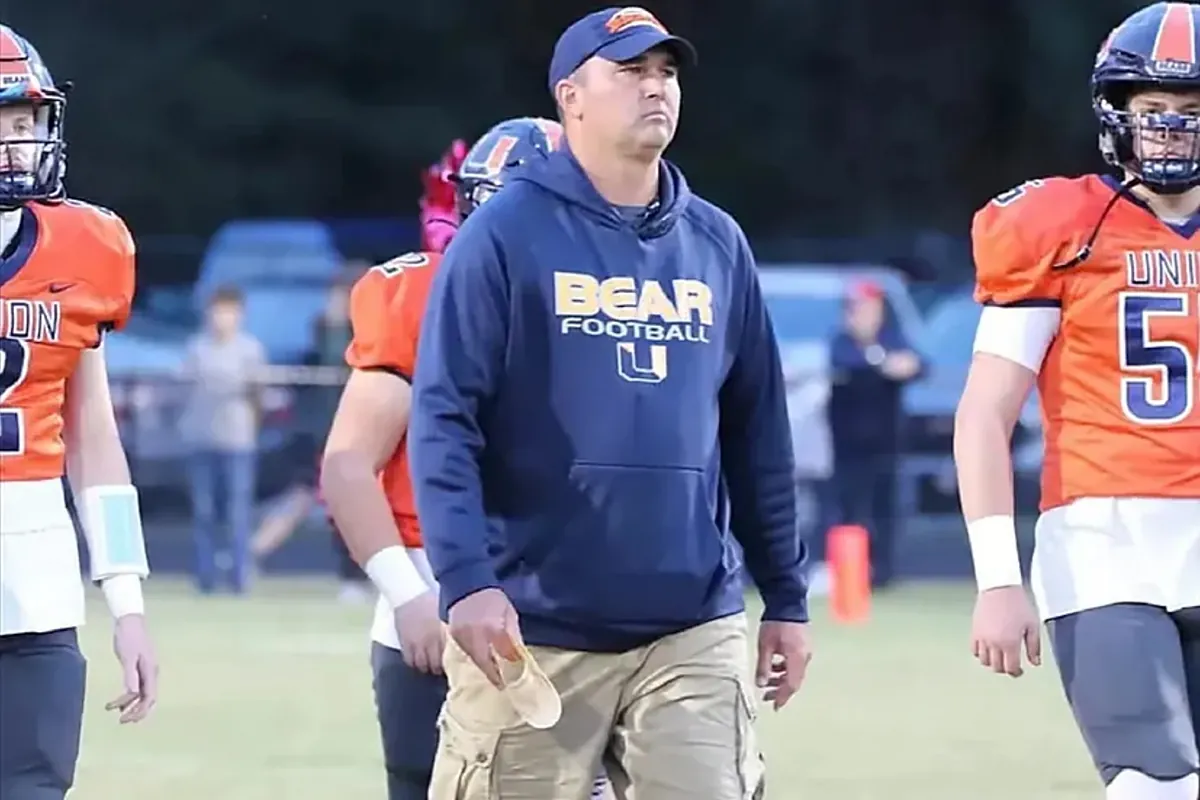
Although published by an international outlet, this English-language report underscores how the case has crossed borders. The focus is on institutional dynamics, particularly how complainants perceive their treatment by authorities. This framing aligns with broader global conversations about reporting systems and power imbalance. The international pickup suggests the story resonates beyond its local origins.
Summary / Insights
Taken together, coverage of the Travis Turner case reveals a shift from a search for one individual to a wider examination of institutional response. The recurring themes are transparency, communication, and trust between public bodies and the communities they serve. While investigations continue, the scrutiny facing the Wise County School Board reflects patterns seen in previous cases nationwide. The likely outcome, based on historical precedent, is sustained attention until clearer resolutions emerge.
TL;DR: The Travis Turner case has evolved into a national conversation about school accountability, driven by public testimony, parental pressure, and ongoing uncertainty.