The Mahmoud Khalil Case: Appeals Court Ruling Reignites Debate Over Detention and Protest
The name Mahmoud Khalil moved rapidly through U.S. headlines this week after a federal appeals court reversed a lower-court order that had briefly freed him from immigration detention. The decision, reported across multiple outlets on the same day, has placed renewed attention on how immigration law, protest activity, and executive authority intersect—especially in politically charged cases. What unfolded is not just a single legal reversal, but part of a broader pattern of courts wrestling with limits of power and jurisdiction.
Main Topic Overview
Khalil, described in coverage as a pro-Palestinian activist, became the center of legal scrutiny after a lower court ordered his release from Immigration and Customs Enforcement (ICE) custody. That ruling did not last long. Within days, an appeals panel stepped in, concluding that the lower court lacked the authority to order his release. The reversal effectively returned the case to a stricter interpretation of immigration detention powers, raising questions about due process, executive reach, and the role of activism in immigration enforcement decisions.
This is not the first time U.S. courts have been asked to weigh emergency releases against immigration statutes. Previous cases over the past decade show a recurring tension: district courts sometimes intervene quickly, while appellate courts often emphasize procedural limits and jurisdictional boundaries. The Khalil ruling fits squarely into that historical pattern.
News Coverage
US appeals court reverses decision that freed Mahmoud Khalil from ICE detention

The Guardian frames the ruling as a decisive intervention by an appellate court that halted what had been a short-lived release from ICE custody. According to the report, judges focused narrowly on whether the lower court had legal standing to order Khalil’s release, rather than on the substance of his activism or the political context surrounding it. The article notes that the appeals panel avoided broader commentary, underscoring how procedural authority often becomes the determining factor in immigration cases. In doing so, the ruling reinforces a judicial trend where higher courts prioritize statutory boundaries over individual circumstances.
US court hands Trump victory against pro-Palestine activist Mahmoud Khalil

Al Jazeera emphasizes the political implications of the appeals court decision, characterizing it as a legal win for former President Donald Trump’s administration, under which the case originated. The coverage places Khalil within a wider landscape of pro-Palestinian activism in the U.S., noting how immigration enforcement has intersected with protest movements before. At the same time, the article acknowledges that the court’s reasoning rested on legal authority rather than ideology. This framing highlights how different outlets interpret the same ruling through distinct lenses while relying on the same judicial outcome.
Appeals panel says lower court didn't have authority to order release of Mahmoud Khalil
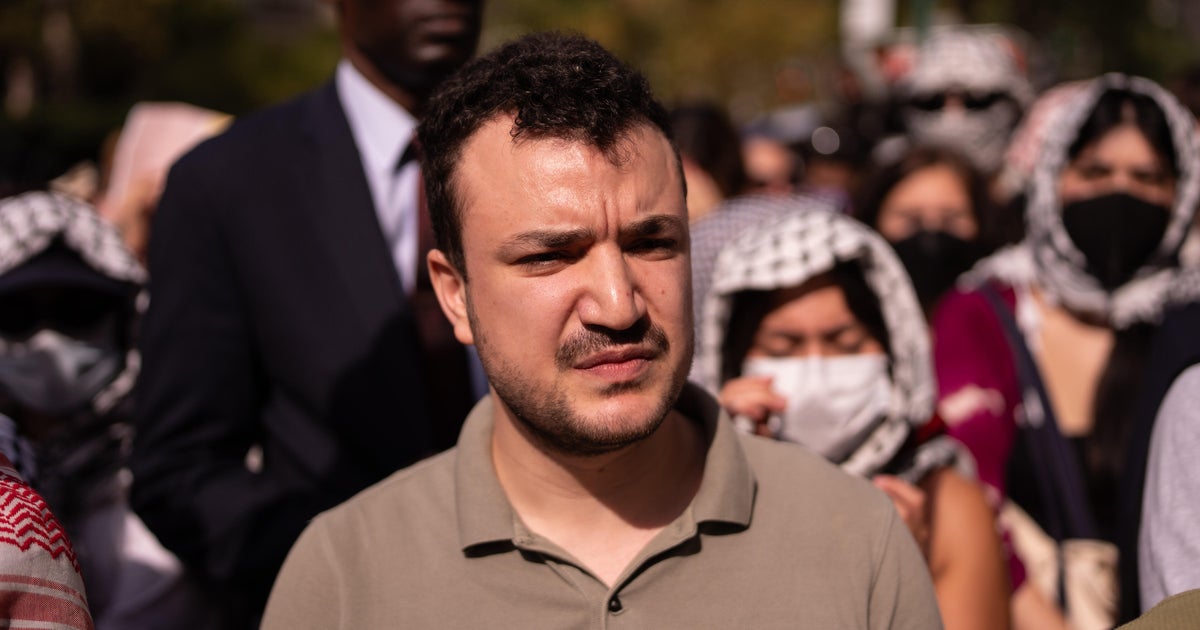
CBS News focuses on the technical legal reasoning behind the decision, explaining how the appeals panel interpreted immigration statutes and judicial limits. The report details that the lower court’s order was overturned not because of new evidence, but because of jurisdictional constraints. By centering on court procedure, CBS places the Khalil case alongside other immigration appeals where authority, rather than facts on the ground, determines outcomes. This approach underscores how such cases can pivot on narrow legal questions with wide personal consequences.
Appeals court reverses decision that freed pro-Palestinian activist Mahmoud Khalil
AP News offers a concise account that situates the ruling within the broader immigration enforcement system. The article notes that while Khalil’s brief release drew attention, the appeals decision restored the status quo pending further legal proceedings. AP also references earlier cases where similar reversals occurred, reinforcing that appellate courts often act as a corrective layer. This historical grounding helps explain why such outcomes, while impactful, are not unprecedented.
Summary / Insights
Taken together, the coverage reveals a consistent core narrative: the appeals court decision hinged on authority and procedure rather than political expression. While some outlets emphasize the political symbolism and others the legal mechanics, all point to the same outcome—a reaffirmation of appellate oversight in immigration cases. Historically, similar rulings suggest that emergency releases ordered by lower courts face high scrutiny. The Khalil case may influence how future courts balance urgent humanitarian or protest-related concerns against strict statutory interpretation.
TL;DR
A federal appeals court reversed a lower-court order that had freed activist Mahmoud Khalil from ICE detention, citing lack of authority. Coverage varies in emphasis, but the legal outcome reflects a familiar pattern in U.S. immigration law.