Makar Sankranti 2026: Why the Festival Is Resonating Far Beyond India This Year
Makar Sankranti has always marked a quiet but meaningful turning point in the calendar. In 2026, that moment is drawing wider attention in the UK, not just within the Indian diaspora but among people curious about seasonal living, food traditions, and cultural rhythms that emphasise renewal. As winter deepens in Britain, coverage around Makar Sankranti has taken on new relevance, blending astrology, wellness, food habits, and cultural identity into a broader conversation.
Main Topic Overview
Traditionally celebrated in mid-January, Makar Sankranti marks the sun’s transition into Capricorn, symbolising longer days and gradual warmth. While rooted in Indian tradition, the festival’s themes — gratitude, balance, seasonal awareness — travel easily across borders. In 2026, UK-based audiences are engaging with the festival largely through lifestyle media, wellness discussions, and social sharing, rather than purely religious observance. This shift mirrors earlier years, but the volume and diversity of coverage suggest growing cultural crossover.
News Coverage
Zodiac Signs Get Lucky After Makar Sankranti
This piece leans into astrology as an entry point, framing Makar Sankranti as a moment of potential shifts in fortune. While astrology-driven stories appear annually, the 2026 framing places unusual emphasis on timing and personal planning, echoing a wider trend of readers looking for structure and reassurance during uncertain months. For UK audiences, such content functions less as prediction and more as reflective guidance tied to the seasonal calendar.
Happy Makar Sankranti Wishes and Messages

Greeting compilations may appear lightweight, but they reveal how festivals travel socially. The emphasis here is on shareability across platforms like WhatsApp and Instagram, which plays a key role for UK-based families maintaining cultural ties across distance. Compared with earlier years, the tone is less formal and more conversational, suggesting the festival is increasingly expressed through everyday digital interaction rather than organised gatherings.
Sankranti as a Blueprint for Seasonal Eating and Immunity
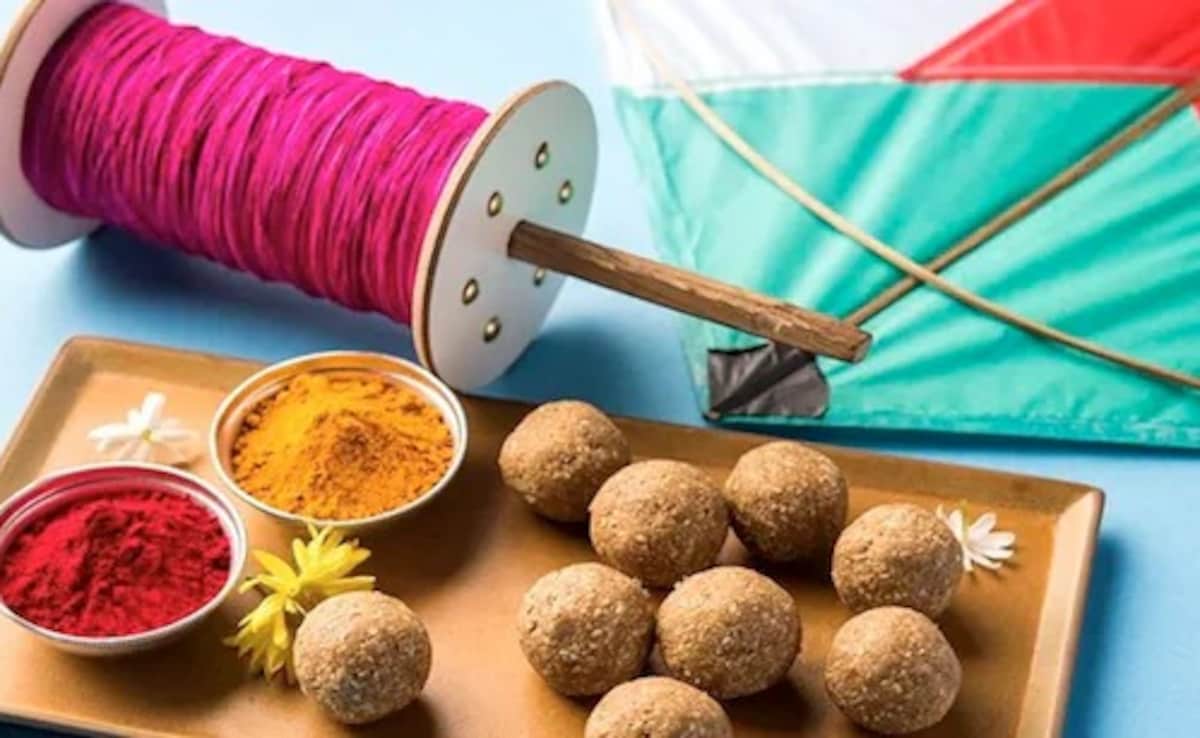
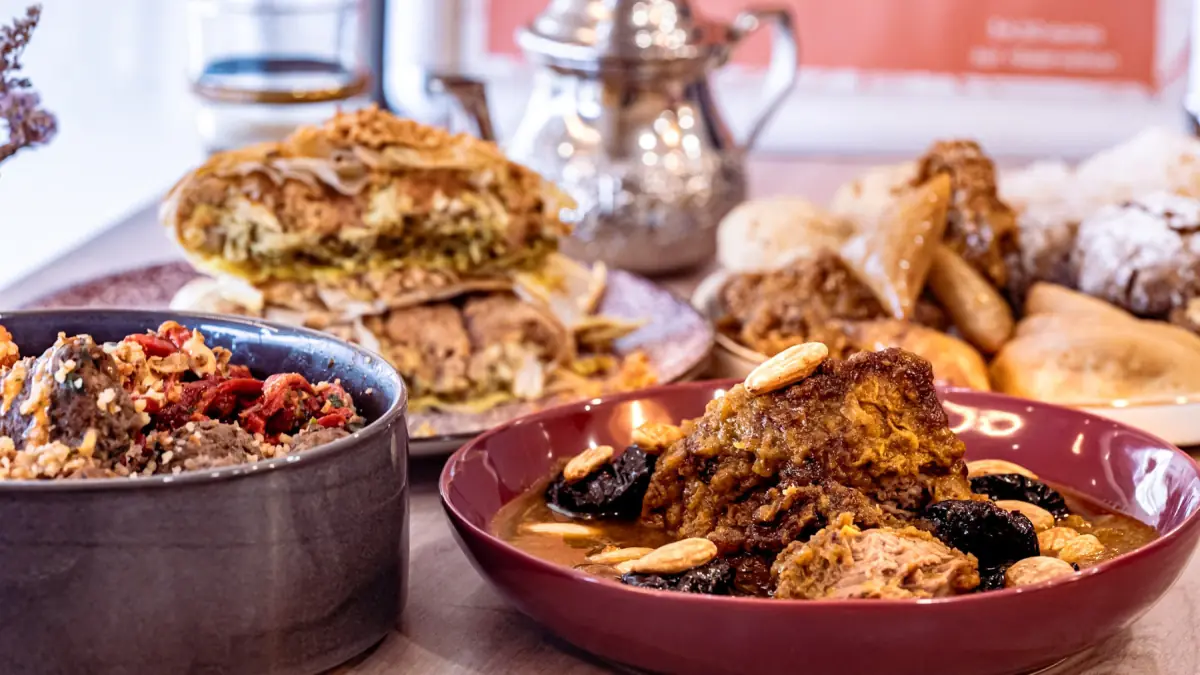
This article reframes Makar Sankranti through a wellness lens, focusing on food choices aligned with winter physiology. Such coverage resonates strongly in the UK, where interest in seasonal eating and immunity typically peaks in January. By linking traditional practices with contemporary health language, the piece positions the festival as practical rather than symbolic, reinforcing why it continues to attract attention beyond its original cultural setting.
Makar Sankranti: Date, Time, and Ritual Guide
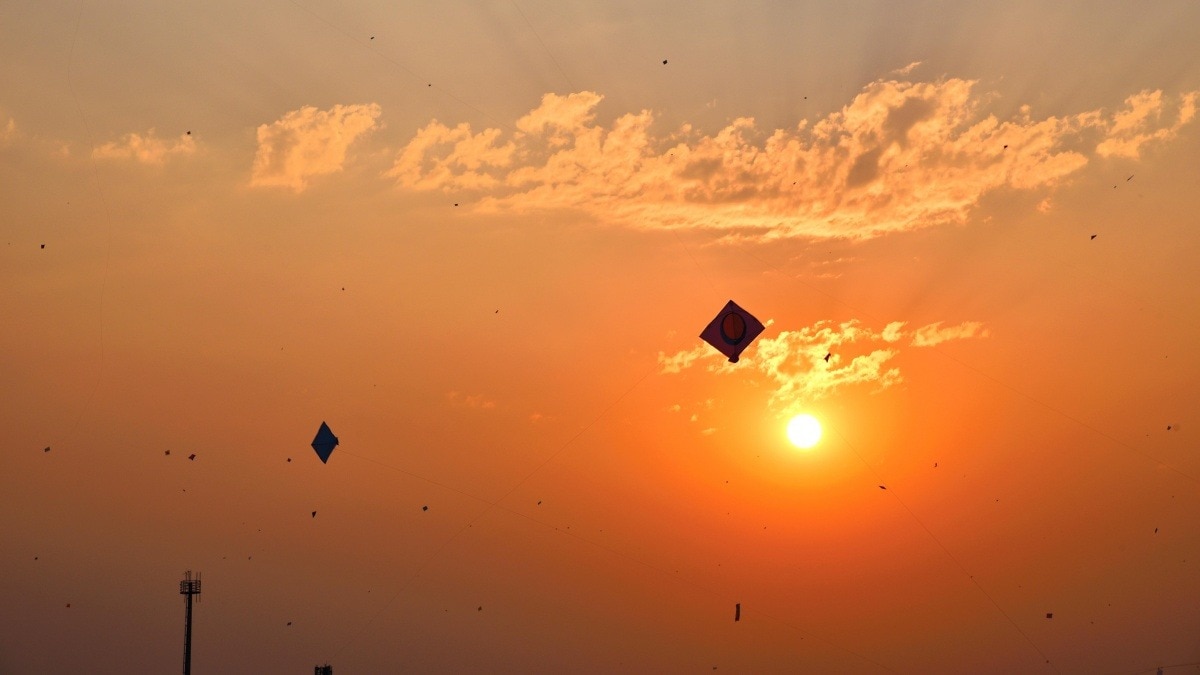
Practical guides remain a cornerstone of festival coverage. This explainer focuses on clarity around timing and rituals, addressing a common challenge for those observing the festival abroad across different time zones. Historically, similar guides spike in readership each year, but 2026 shows sustained interest, suggesting a stable base of observance alongside growing cultural curiosity.
Makar Sankranti Eating Rules and Seasonal Restrictions
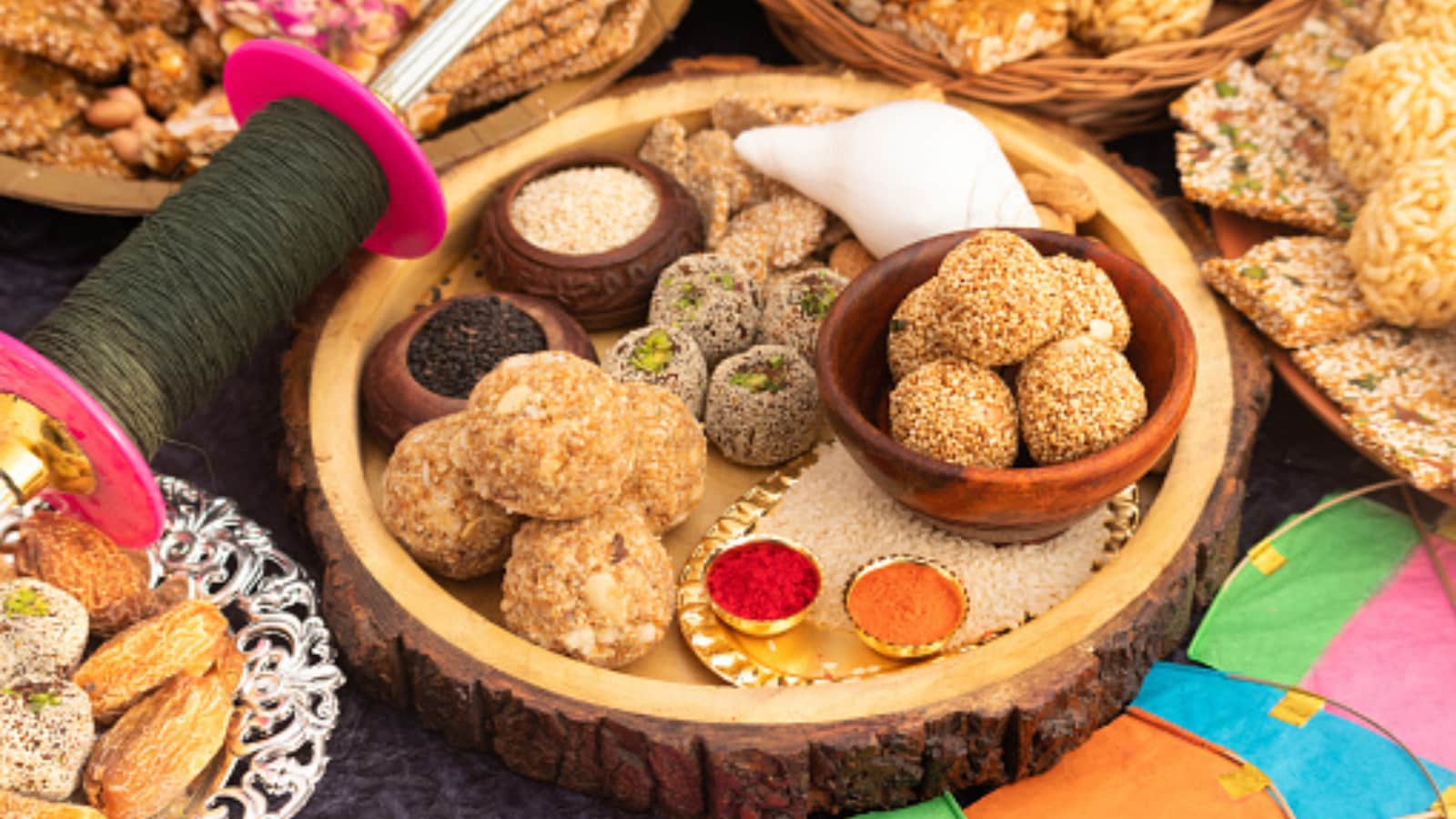
Dietary guidelines associated with the festival highlight how tradition often encodes seasonal logic. While some readers approach these rules symbolically, others interpret them through modern nutritional understanding. In the UK context, this dual reading reflects a broader pattern seen in past years, where traditional food advice is re-evaluated rather than followed unquestioningly.
Uttarayan and the Visual Language of Celebration

This article explores how technology shapes modern celebration, offering AI-driven photo ideas tied to kite-flying traditions. Visual storytelling has become central to how festivals are experienced internationally, particularly among younger audiences in the UK. Compared with earlier coverage, the emphasis here is less on ritual accuracy and more on creative participation.
Cultural Significance and Community Identity

By focusing on unity and shared tradition, this coverage places Makar Sankranti within a broader narrative of social cohesion. Such framing resonates in multicultural societies like the UK, where festivals often act as points of cultural exchange. Historically, similar articles gain traction during moments of heightened interest in identity and belonging.
Rituals, Meaning, and the Enduring Appeal of Sankranti
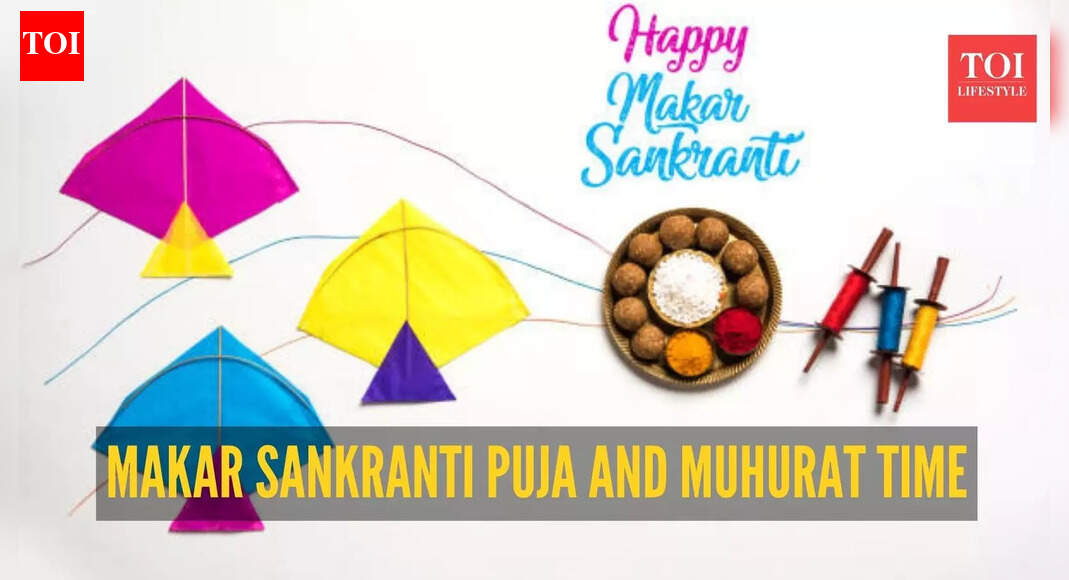
This detailed guide returns to the philosophical core of the festival, explaining why its symbolism has endured across generations. When viewed alongside lifestyle-driven coverage, it highlights a balance between continuity and adaptation. For UK readers, this depth provides context that transforms the festival from a calendar date into a lived tradition.
Summary / Insights
Across coverage in 2026, Makar Sankranti emerges less as a single-day observance and more as a cultural season. Astrology, food, wellness, technology, and identity intersect, creating multiple entry points for engagement. This isn’t the first time the festival has attracted global attention, but the breadth of perspectives suggests a gradual shift toward viewing it as a lifestyle marker rather than solely a religious event. For UK audiences, the trend reflects broader interest in seasonal living and cross-cultural traditions.