What this digest covers
- Trace how a niche endurance event became a national talking point
- Examine what the reported threats mean for athlete safety and race governance
- Place the incident in the wider history of the Spine Race and ultra-running culture
- Compare how different outlets frame responsibility and response
- Identify unresolved questions facing organisers and the sport
When an Ultra Race Meets a Harsh Spotlight: The Sarah Porter Spine Race Fallout
The Winter Spine Race has long been known in Britain as a brutally demanding test of endurance rather than a flashpoint for controversy. That changed this January, when reports emerged that runner Sarah Porter had been withdrawn from the event after receiving death threats. What followed was a rapid escalation from specialist running news into a broader conversation about safety, online behaviour, and the pressures faced by athletes in high-profile endurance events.
Main Topic Overview
Often described as one of the UK’s toughest ultramarathons, the Spine Race stretches along the Pennine Way in winter conditions, attracting elite and amateur runners willing to endure isolation, cold, and exhaustion. Historically, coverage has focused on physical resilience and logistical challenges. This episode, however, shifted attention to the off-course environment — particularly the role of online scrutiny and how race organisers balance transparency, athlete welfare, and public interest.
This is not the first time endurance sports have confronted online hostility, but it is relatively rare for such threats to directly alter participation in a flagship British event. The situation has prompted questions about whether existing safeguarding measures are sufficient in an era where athletes’ personal details and real-time locations are often publicly accessible.
News Coverage
Runner pulled from ultramarathon event in England following death threats
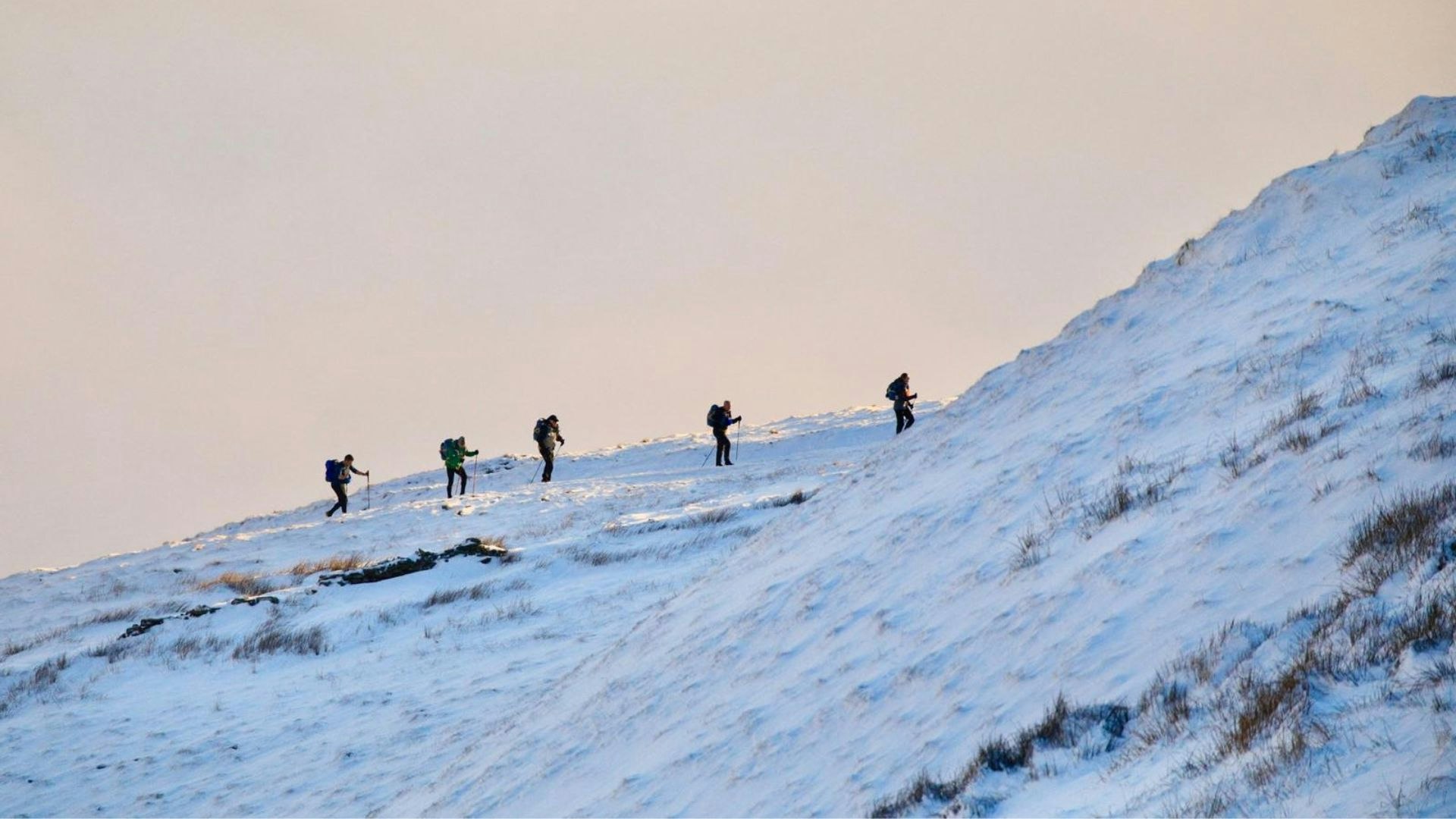
The Live for the Outdoors report frames the decision to pull the runner as a precaution rooted in safety rather than performance or rule disputes. It outlines how organisers became aware of credible threats and moved quickly to remove the athlete from the race environment. The article situates the move within existing safety protocols, noting that winter Spine conditions already stretch medical and logistical resources. Importantly, it avoids speculating on the origin of the threats, instead highlighting the broader challenge of managing risk in high-exposure endurance events. By focusing on organiser response, the piece underscores how race directors are increasingly expected to act as both sporting officials and safeguarding authorities.
Sarah Porter Pulled From Winter Spine Race Event Following Death Threats
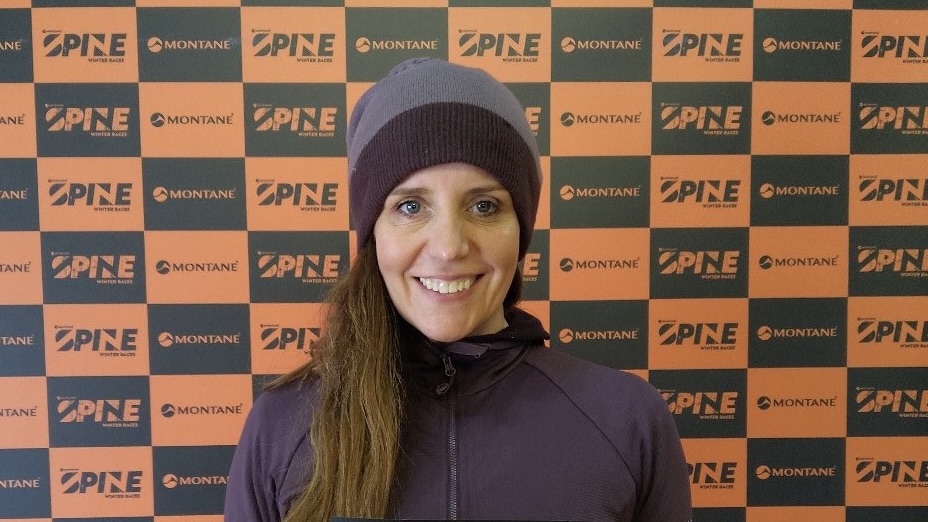
iRunFar provides additional context by focusing on Porter’s background in ultra-running and the emotional impact of being withdrawn from a major event. The article connects this incident to a growing pattern of online scrutiny faced by endurance athletes, particularly women competing in highly visible races. It also references previous debates within the ultra community about transparency versus privacy, especially when live tracking and social media amplify attention. Rather than assigning blame, the coverage presents statements from organisers and community figures, reflecting a cautious tone that mirrors the sport’s traditionally close-knit culture. The result is a portrait of a community grappling with modern pressures layered onto an old-school challenge.
Summary / Insights
Across both reports, a shared theme emerges: the Spine Race incident is less about a single athlete and more about structural vulnerabilities in contemporary endurance sport. Organisers are being asked to respond to threats that originate far beyond the trail, while athletes navigate visibility that brings both support and risk. Previously, similar tensions surfaced in other ultra events globally, but rarely with such direct consequences in the UK.
What remains unresolved is how races will adapt. Possible outcomes range from tighter information controls to clearer protocols for online harassment. For now, the episode stands as a reminder that even the most remote sporting challenges are no longer insulated from the dynamics of the digital world.