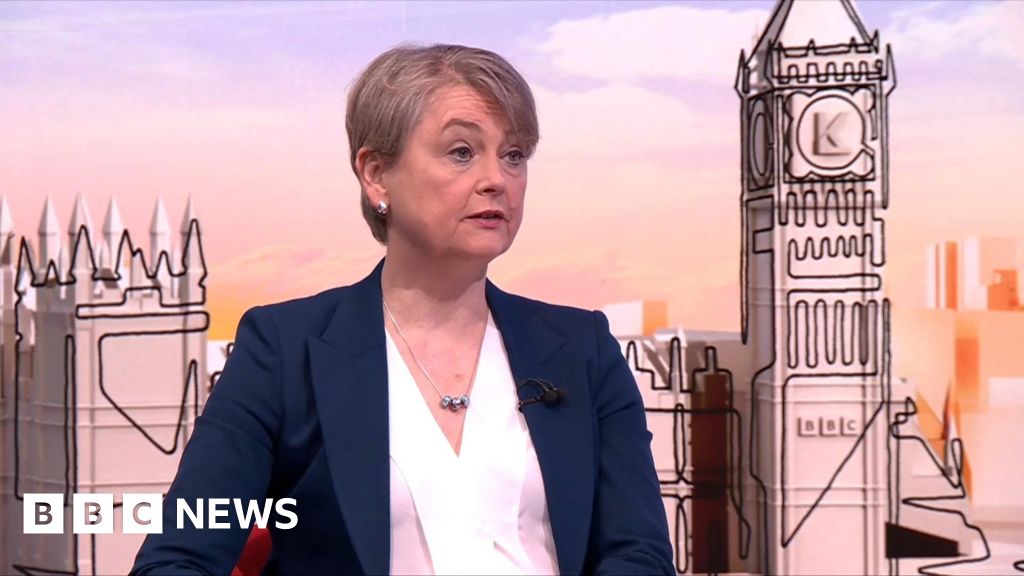
British Passport Rules and Dual Citizenship: What the Latest Changes Mean
Over the past week, changes to British passport and entry rules have quietly moved from policy paperwork into real-world consequences for thousands of dual citizens. What might have sounded like a technical adjustment has triggered confusion, rushed applications, and growing debate across the UK and abroad. This digest brings together the key developments, explains how the situation evolved, and outlines what it means for people holding British citizenship alongside another nationality.
Main Topic Overview
The UK government has been tightening how British citizens are identified at the border, particularly as the country transitions toward digital immigration systems and expanded pre-travel authorisations. Central to the debate is a long-standing rule: British citizens are expected to enter the UK using a British passport. While this principle is not new, recent enforcement and system changes have made it more consequential, especially for dual nationals who have relied on foreign passports for years without issue.
This shift intersects with wider reforms, including the move toward eVisas and the expansion of the Electronic Travel Authorisation (ETA) scheme. Together, these changes have created a sharper line between British citizens and foreign nationals in border systems, leaving some dual citizens caught in the middle.
News Coverage
Australians with British dual citizenship are about to see passport rules change – here’s what you need to know

The Guardian outlines how Australians holding British citizenship are being directly affected by stricter enforcement of entry rules. Many dual nationals have historically entered the UK using their Australian passports, particularly if their British documents had expired. Under the clarified rules, this practice risks refusal at the border.
The article places the change in a broader context, noting that UK law has always required British citizens to enter as British, but enforcement has been inconsistent. What has changed, according to officials, is the reliance on automated systems that no longer allow discretion at check-in or arrival.
For affected travellers, the issue is less about legality and more about practicality: sudden costs, long processing times, and travel plans disrupted with little warning. The Guardian highlights how these pressures are being felt most acutely by people living far from the UK.
Dual citizen Britons without UK passport could be refused entry under rule change
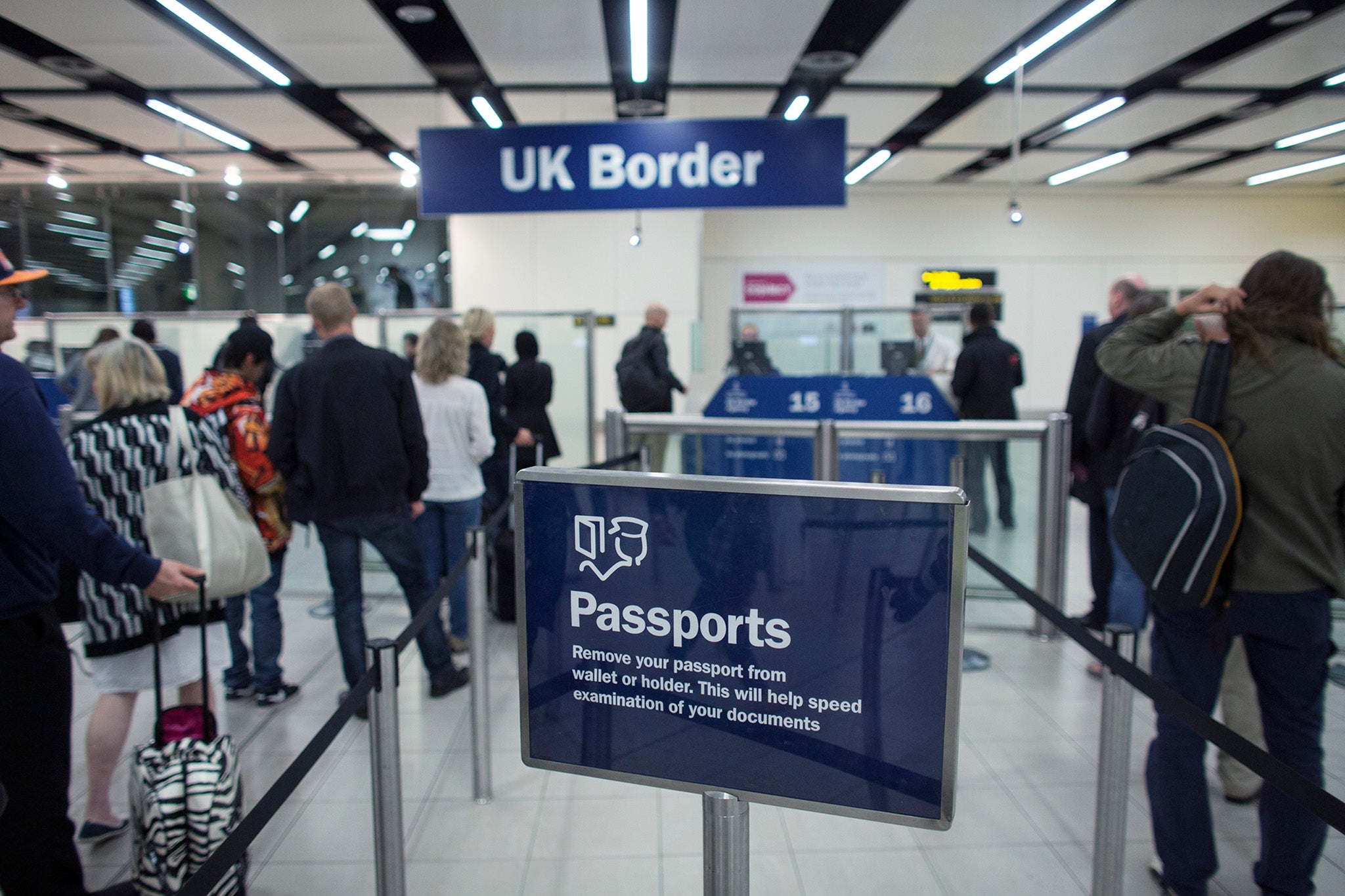
The Independent focuses on the potential consequences at the UK border, reporting that dual citizens arriving without a British passport may now face refusal. The piece emphasises that this is not a theoretical risk but one already being flagged by airlines and travel advisers.
It explains how carriers are increasingly responsible for checking passengers’ eligibility before boarding. If systems indicate someone is British but travelling on a foreign passport, airlines may deny boarding to avoid penalties.
The coverage links the issue to long-standing Home Office policy while noting that public awareness has lagged behind enforcement. For many readers, the story reframes the change as a communication failure rather than a sudden legal shift.
New passport changes create headache for Australian British dual citizens
ABC News provides an Australian perspective, highlighting how the UK policy shift has landed overseas. The report describes long queues, urgent passport applications, and uncertainty among people who believed their status was settled.
By interviewing affected families, the article illustrates the human impact behind administrative language. Some travellers describe being unaware of any change until airlines contacted them days before departure.
The piece also notes the diplomatic undertone, with Australian authorities seeking clarification while stressing that British citizenship rules remain a matter for the UK government.
UK says dual NZ nationals told of passport change in good time

RNZ reports on the UK government’s response to criticism from New Zealand dual nationals. Officials maintain that guidance has been available for some time and that the requirement to use a British passport is not new.
The article contrasts official statements with accounts from travellers who say they were unaware of the practical implications. This tension highlights a recurring theme: the gap between published policy and everyday understanding.
RNZ also situates the issue within broader UK border reforms, suggesting that increased automation leaves less room for informal flexibility.
Move to eVisas update
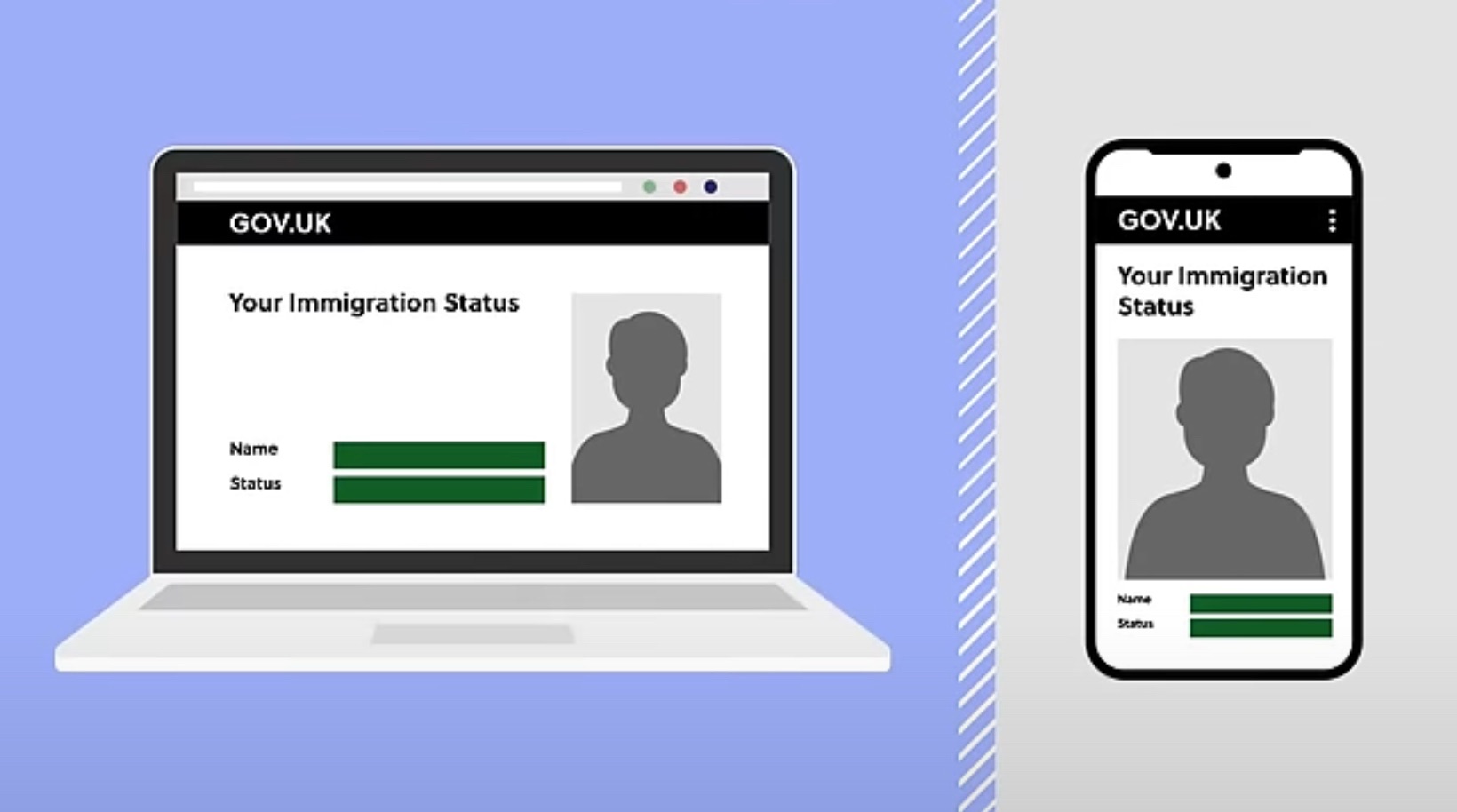
PAYadvice.UK looks beyond passports to the wider transition toward eVisas. While primarily aimed at migrants and visa holders, the digital shift affects how identity and status are verified across the border system.
The article explains that clearer digital records reduce ambiguity but also remove informal workarounds. For dual citizens, this means nationality is more likely to be flagged automatically.
This coverage helps explain why enforcement feels sudden, even if the rules themselves are familiar.
UK Electronic Travel Authorisation now compulsory for HKSAR and BN(O) passport holders

VisaHQ reports on the expansion of the ETA system, making pre-travel authorisation compulsory for certain passport holders. While not directly about British citizens, the move illustrates the UK’s broader strategy of pre-screening travellers.
The article underscores how digital authorisations and passport data are increasingly interlinked. This environment leaves little room for exceptions based on individual circumstances.
In the context of dual citizenship, ETA expansion reinforces the emphasis on clear, single-status identification.
New rule could stop British dual citizens from entering UK

This follow-up piece from The Independent sharpens the focus on consequences, warning that failure to comply could effectively bar citizens from their own country.
It reiterates that the rule itself is established law, but enforcement now carries greater certainty. Airlines, rather than border officers, are often the first point of refusal.
The article adds to the sense that the practical burden of compliance has shifted onto individuals, regardless of how long they have held British nationality.
‘Sheer panic’: Dual-citizenship NZ Brits have to get UK passport to return

The NZ Herald captures the emotional response among New Zealand-based Britons, using first-hand accounts to show how quickly routine travel became uncertain.
While officials stress preparation and awareness, interviewees describe confusion over timelines and documentation. The article highlights the strain placed on overseas passport services.
This coverage reinforces a central theme of the trend: the policy may be consistent, but its impact feels abrupt to those affected.
Summary / Insights
Taken together, the coverage shows a convergence of old rules and new systems. The UK has not fundamentally changed its stance on dual citizenship, but digital enforcement has made compliance unavoidable. Media responses differ by region, yet the underlying issue is consistent: awareness has not kept pace with implementation.
Looking ahead, the situation is likely to stabilise as more dual citizens update their documents. However, the episode highlights how technical reforms can carry significant personal consequences when communication falls short.
TL;DR
British citizens with another nationality are expected to enter the UK on a British passport. That rule is now being enforced more strictly due to digital border systems, catching many dual nationals off guard.