Why Greenland Is Suddenly at the Centre of Europe’s Security Debate
Over the past two weeks, Greenland has moved from the edges of foreign policy conversations to the centre of Europe’s security agenda. A mix of renewed US interest in the Arctic, NATO signalling, and European political responses has triggered a flurry of statements, proposals, and concrete military planning. What looks, on the surface, like routine defence coordination is revealing deeper tensions about sovereignty, deterrence, and Europe’s role in the High North.
Main Topic Overview
Greenland’s strategic value has long been understood in military circles. Its location between North America and Europe makes it critical for Arctic surveillance, missile defence, and control of emerging shipping routes as ice recedes. What has changed is the political intensity around it. Statements linked to former US President Donald Trump’s past claims about Greenland, combined with heightened Arctic competition, have prompted European governments to speak more openly about troop deployments, diplomatic footprints, and collective defence frameworks.
Germany, in particular, has emerged as a vocal actor, while France and the UK are signalling diplomatic and military interest. NATO officials, meanwhile, are attempting to keep the temperature down publicly, even as allies debate how visible their presence in Greenland should be.
News Coverage
Germany among NATO members sending troops to Greenland for Arctic mission

This report frames Germany’s participation as part of a wider NATO Arctic mission rather than a unilateral move. Officials emphasise surveillance, training, and alliance reassurance, presenting the deployment as defensive and rotational. The language used suggests an effort to normalise the presence, positioning it alongside existing NATO activities in Norway and Iceland. At the same time, the timing aligns closely with renewed political debate about Greenland’s status, underscoring how defence planning and diplomacy are increasingly intertwined.
UK ‘considering’ sending troops to Greenland
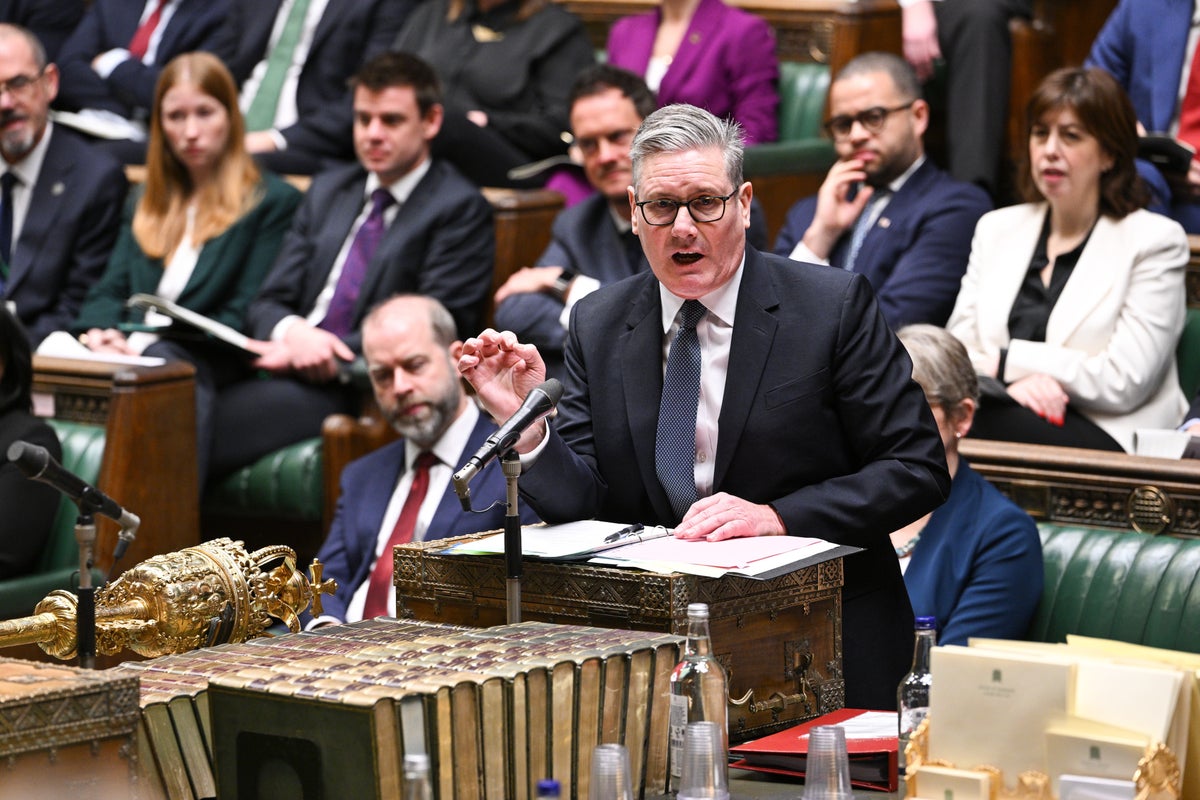
The UK discussion is presented as exploratory rather than decided, with officials stressing assessments and coordination with allies. The article highlights how London is balancing its Arctic commitments with domestic political pressures and broader NATO priorities. Notably, the framing avoids any suggestion of escalation, instead describing a desire to remain aligned with partners if the security environment continues to shift.
Germany news: Reservist union head wants troops in Greenland
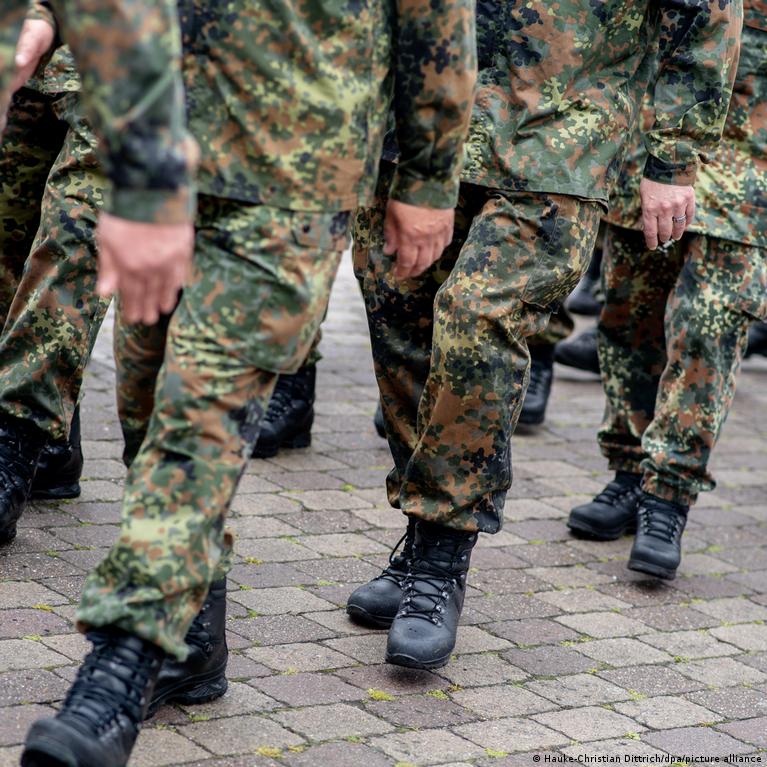
This piece captures a domestic German debate, with the head of the reservists’ association arguing for a stronger presence to deter external pressure. While not official policy, the comments illustrate how Greenland has entered German security discourse beyond government circles. The argument reflects concerns about setting precedents in the Arctic, particularly if sovereignty questions are left unchallenged.
Europeans trumpet Arctic defense in bid to soften US Greenland claims

This analysis places European actions in a broader strategic narrative. It suggests that visible defence cooperation is intended as reassurance to Denmark and Greenland, while also signalling to Washington that European allies take Arctic security seriously. The article connects current moves to earlier episodes when European states felt sidelined in strategic decision-making, framing the moment as part of a longer effort to assert relevance.
NATO boss on Trump’s Greenland threats: Chill out, this is fine

NATO leadership adopts a calming tone here, downplaying rhetoric and stressing alliance cohesion. The comments aim to reassure both member states and the public that existing frameworks can manage tensions. This contrasts with more alarmed political reactions elsewhere, highlighting a deliberate effort by NATO to avoid amplifying uncertainty while behind-the-scenes planning continues.
Germany Calls for European Brigade to be Stationed in Greenland

This proposal pushes the debate further, advocating a standing European formation rather than temporary deployments. While aspirational, it signals how some policymakers are thinking beyond immediate responses. The idea raises questions about feasibility, command structures, and political consensus, all of which remain unresolved.
Germany plans Nato mission to protect Greenland

The Telegraph frames Germany’s plans as a response to uncertainty generated by US political discourse. It links Arctic security to broader questions about NATO burden-sharing and European autonomy. The piece situates Greenland within a pattern of Germany taking on more visible defence roles compared with a decade ago.
Greenland: Macron warns of 'cascading consequences' if US seizes island
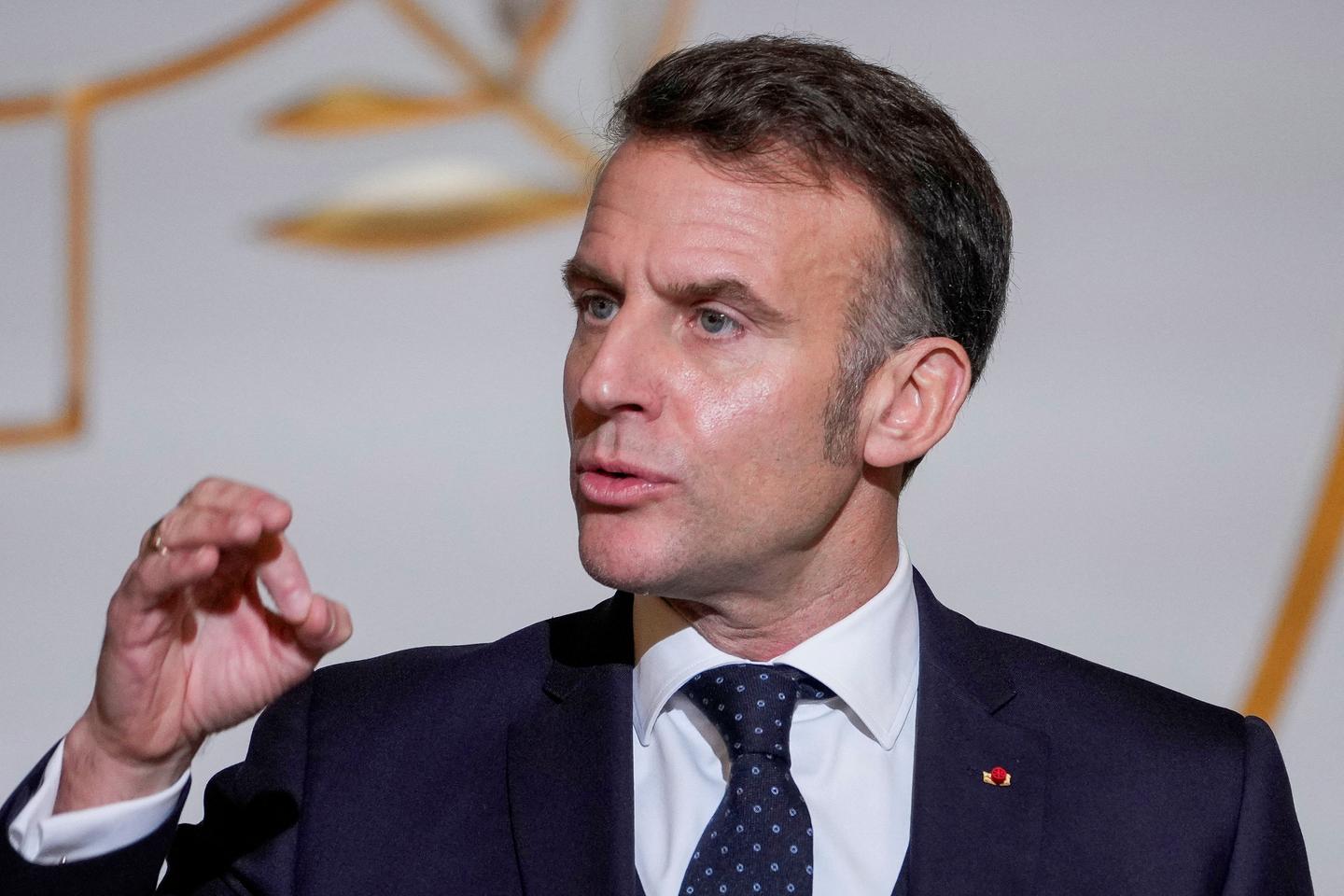
President Emmanuel Macron’s comments introduce a diplomatic dimension, warning about knock-on effects for international norms. The article contextualises his remarks within France’s long-standing emphasis on sovereignty and multilateralism. While hypothetical, the warning underscores how seriously some European leaders view the implications of any change to Greenland’s status.
France to launch Greenland consulate in ‘political signal’ to US

This move is framed as symbolic rather than operational, reinforcing France’s diplomatic presence. The article highlights how consulates can serve as political markers, especially in contested or sensitive regions. It also reflects a preference for diplomatic tools alongside military discussions.
France to open consulate in Greenland in a ‘political signal’ amid Trump threats
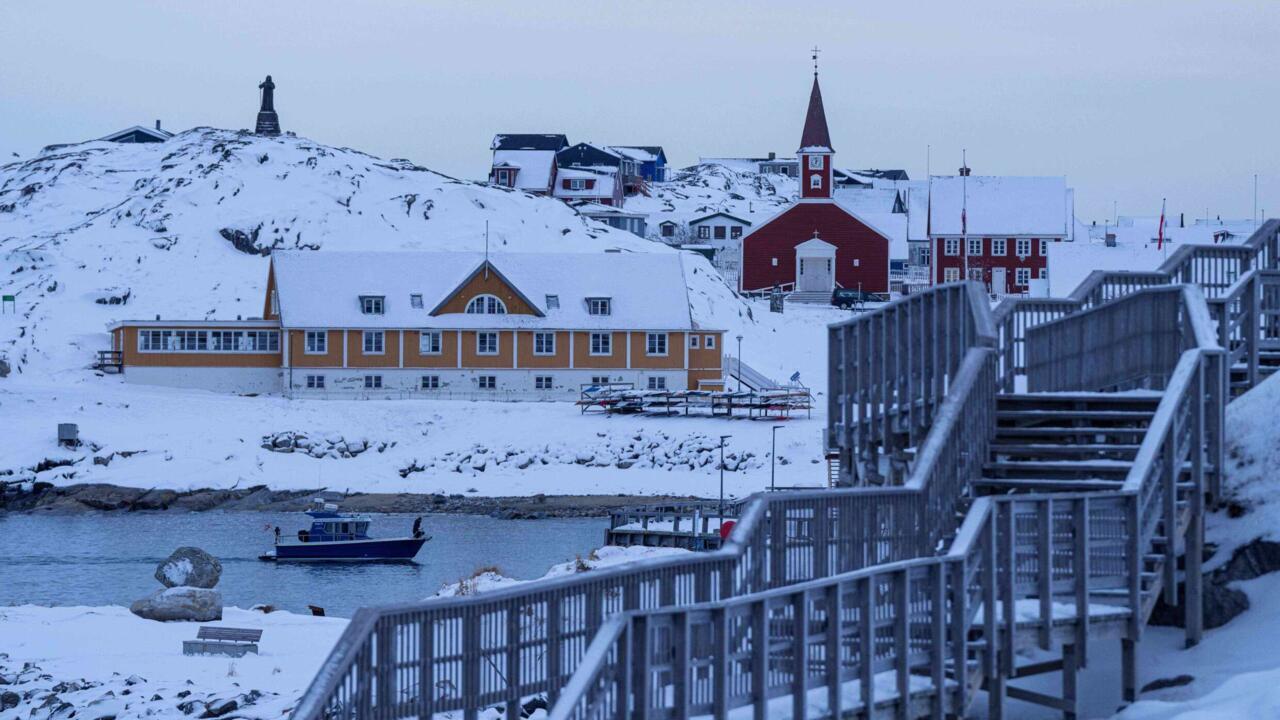
France 24 echoes similar themes but adds historical context, recalling earlier diplomatic expansions in the Arctic. The report notes how symbolic gestures can shape long-term relationships, particularly with Greenlandic authorities. Together with military debates, it illustrates a multi-track European approach.
Summary / Insights
Across these reports, a consistent pattern emerges: European governments are seeking to demonstrate engagement in the Arctic without provoking escalation. Military planning, diplomatic signalling, and careful public messaging all point to an effort to reinforce existing norms rather than rewrite them. This is not the first time Greenland has attracted attention, but the breadth of responses suggests a more coordinated European awareness of its strategic importance.
What remains unresolved is how far these discussions will translate into lasting structures. Temporary deployments and diplomatic missions are easier to agree on than permanent brigades or new command arrangements. For now, Greenland has become a focal point where broader questions about European security, alliance politics, and Arctic governance intersect.