Atlanta Weather Watch: Arctic Air, Snow Talk, and a City Bracing for Cold
Atlanta doesn’t see winter drama often, which is exactly why this week’s weather has captured so much attention. A series of cold fronts, whispers of snow in North Georgia, and tangible impacts on daily life have pushed weather forecasts into the spotlight. What’s unfolding is less about a single storm and more about how an extended cold pattern is shaping decisions across the region.
Main Topic Overview
The current weather trend in and around Atlanta is being driven by repeated intrusions of arctic air pushing deep into the Southeast. While much of the city remains on the edge between cold rain and flurries, areas farther north are flirting with snow, ice, and dangerous wind chills. This isn’t the first time Atlanta has hovered on that razor-thin line between winter spectacle and winter inconvenience, but the persistence of the cold has raised both public curiosity and practical concerns.
News Coverage
Snow in North Georgia: When and where will it fall? How cold will it get?
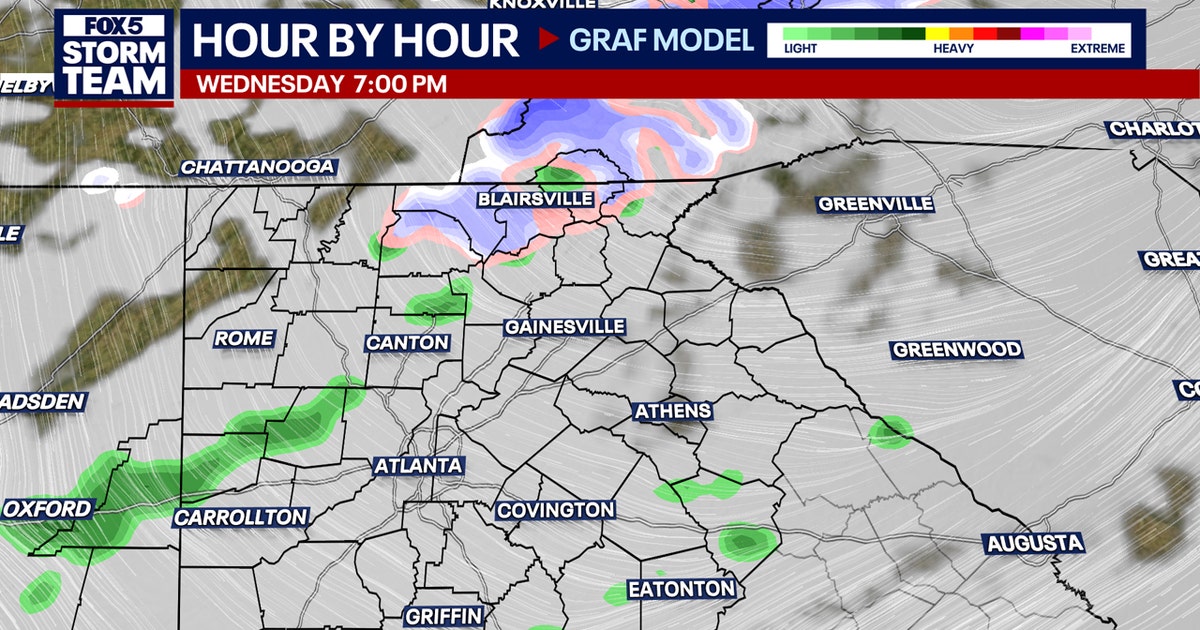
This report zeroes in on the geographic nuance of the forecast, emphasizing how elevation and proximity to the mountains increase the likelihood of snow north of Atlanta. Meteorologists outline temperature thresholds that could turn rain into flurries almost hour by hour. The piece reflects a familiar regional pattern: excitement in higher elevations, cautious skepticism in the metro area. It also highlights how cold, rather than snow totals, may end up being the most disruptive factor.
Cold front headed for Georgia. Should Atlanta brace for snow and ice?

This national perspective places Georgia’s cold snap within a broader Southeast pattern, noting how unusual depth and timing of arctic air increase uncertainty. Rather than predicting a major snow event, the analysis focuses on preparation and probability. The article connects Atlanta’s situation to past winters where anticipation outweighed actual accumulation, reminding readers how quickly forecasts can shift in marginal setups.
Snow possible in far North Georgia as next round of arctic air sweeps in

This coverage leans into the rhythm of repeated cold waves, explaining how successive arctic surges can compound impacts even without heavy snowfall. The analysis underscores soil temperatures, lingering cold air, and overnight lows as key variables. It situates the current forecast as part of a sequence rather than an isolated event, which helps explain why officials remain alert despite modest snow projections.
Showers possible today, cold blast of air ahead
This piece highlights the transition phase before the coldest air arrives, focusing on clouds, light rain, and shifting winds. The narrative emphasizes how these precursor conditions can heighten travel risks once temperatures drop. It reinforces the idea that timing matters as much as totals, especially in regions unaccustomed to prolonged cold snaps.
Snow in Georgia: Flurries in far North Georgia, frigid temperatures elsewhere
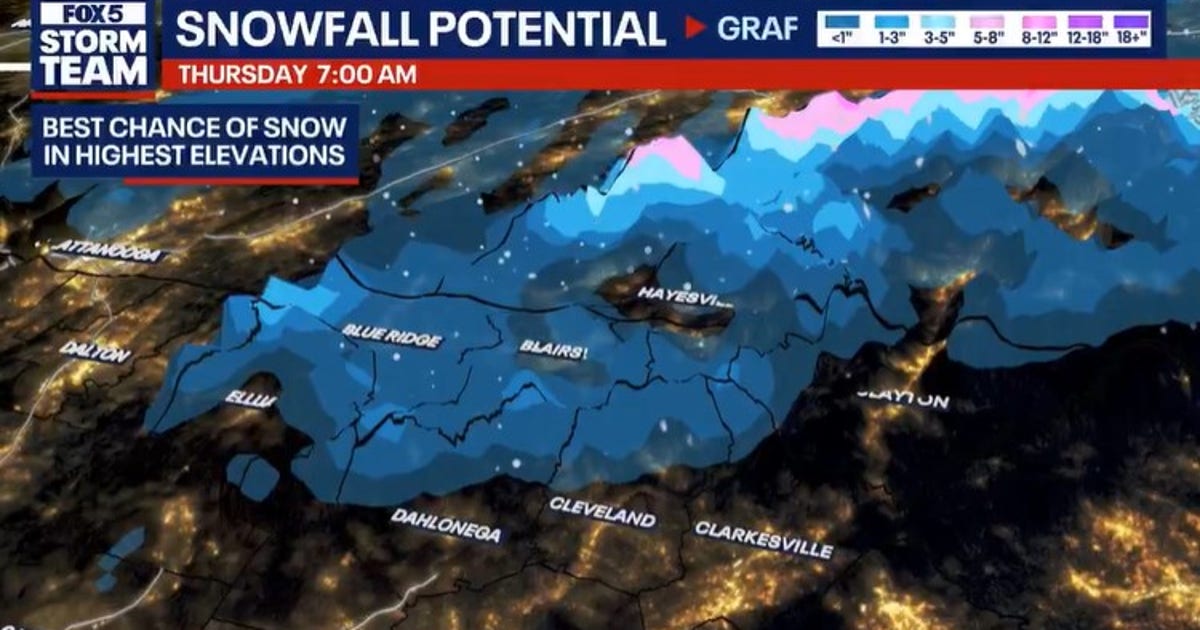
Here, the focus shifts decisively to cold as the dominant storyline. The article frames snow as localized and limited, while underscoring widespread subfreezing temperatures. This perspective aligns with past Georgia winters where cold stress, rather than accumulation, posed the greater challenge for infrastructure and public health.
Light Showers and Cloudy Skies Ahead of Cold Front
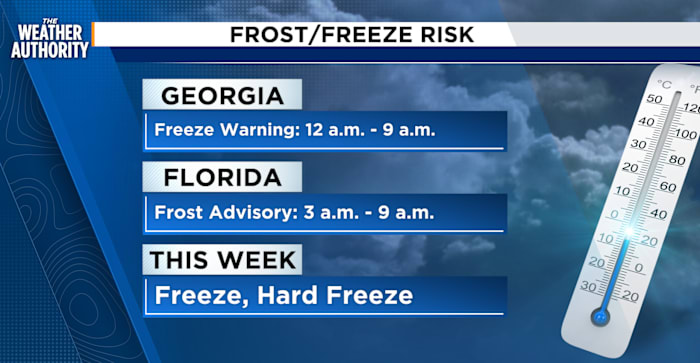
Although centered outside metro Atlanta, this coverage adds regional context, showing how the same system affects a wider swath of the Southeast. It reinforces the interconnected nature of the forecast, where changes upstream can alter local outcomes. The broader lens helps explain why confidence levels vary across forecasts.
Atlanta woman with dementia missing after wandering into freezing weather found safe

This story illustrates the human stakes behind the forecast, showing how extreme cold amplifies risks for vulnerable populations. The focus shifts from meteorology to public safety, underscoring why warnings extend beyond snow chances. It reflects how weather events intersect with social services and emergency response.
City of Atlanta to Open Warming Centers Ahead of Cold Weather
This official announcement demonstrates how forecasts translate into policy action. By opening warming centers, the city acknowledges cold as a primary threat regardless of snowfall. The move echoes responses during previous cold snaps, showing continuity in how Atlanta mitigates weather-related risk.
Summary / Insights
Across outlets, a consistent narrative emerges: snow remains possible but limited, while prolonged cold is the defining feature of this weather trend. Forecast uncertainty, driven by marginal temperatures and repeated arctic intrusions, keeps attention high. The broader impact is already visible in city planning, public safety responses, and heightened awareness of vulnerable populations. Historically, Atlanta’s most disruptive winter moments have often come from cold rather than snow, and this pattern appears to be repeating.