The 2026 High Plains Fire Weather Crisis
A volatile combination of high wind speeds, unseasonably warm temperatures, and persistent drought conditions has triggered a series of destructive wildfires across the Oklahoma and Texas Panhandles, stretching into Kansas. The National Weather Service has issued critical Fire Weather Watches and Red Flag Warnings for much of the region, signaling that any spark could lead to explosive fire growth. As emergency crews battle active blazes that have already forced evacuations and highway closures, the situation highlights the intensifying risk of "winter wildfire season" in the High Plains.
Main Topic Overview
The current trend centers on an escalating wildfire crisis in the central United States, specifically impacting the border regions of Oklahoma, Texas, and Kansas. Unlike the typical summer fire season, this winter event is driven by a "perfect storm" of meteorological factors: dormant, dry vegetation (fuel), extremely low humidity, and powerful wind gusts exceeding 50 mph. The term "Fire Weather Watch" is being widely used by meteorologists to warn residents that conditions are favorable for fire combustion and rapid spread. This trend is significant not just for the immediate danger to life and property, but also for the logistical challenges it poses to interstate travel and multi-state emergency coordination.
Live Updates: High wind speeds increase Oklahoma wildfire danger
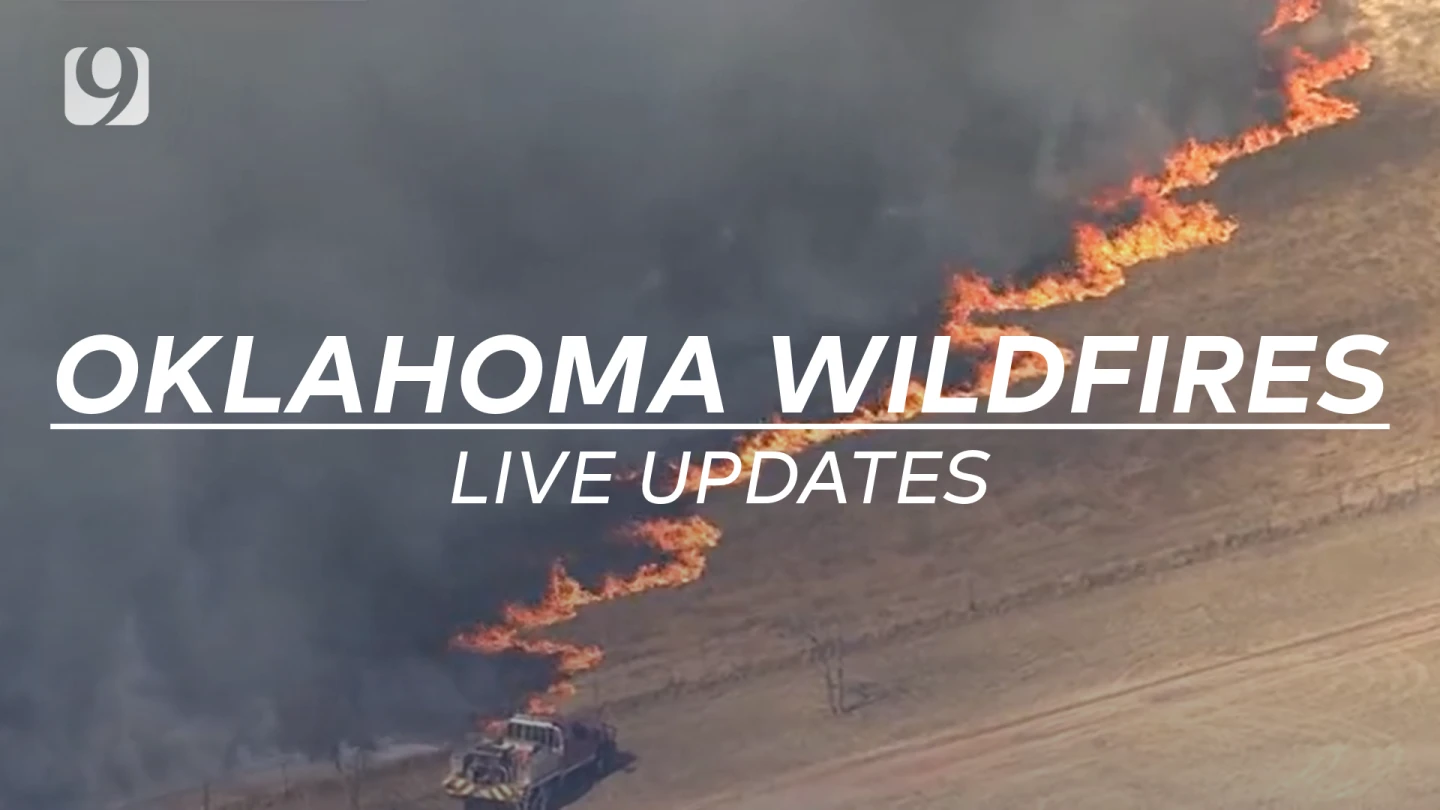
This ongoing coverage focuses on the immediate atmospheric threats facing Oklahoma, specifically highlighting how escalating wind speeds are the primary driver of current fire volatility. As winds pick up across the state, the risk of small brush fires transforming into unmanageable infernos increases exponentially. The report serves as a real-time warning system, connecting the meteorological data of high-velocity gusts to the practical reality of increased firefighting difficulty on the ground. This reflects the broader trend of how wind intensity has become the most critical variable in modern High Plains wildfire management.
Panhandle fire shuts down U.S. 64 in Beaver County, fire spreads to Kansas

The reporting here details a specific and severe escalation where a wildfire originating in Beaver County, Oklahoma, successfully crossed state lines into Kansas. This movement necessitated the emergency closure of U.S. Highway 64, a major regional artery, illustrating how these fires disrupt critical infrastructure beyond just agricultural land. The involvement of the Oklahoma Highway Patrol and Oklahoma Forestry Services emphasizes the inter-agency response required when fire weather conditions allow a blaze to jump geographical boundaries. This specific incident serves as a primary example of why the current "Fire Weather Watch" is being taken so seriously by regional authorities.
Clark County community evacuated as wildfire from Oklahoma panhandle threatens SW Kansas

Focusing on the human impact in Southwest Kansas, this coverage explains the necessity of mandatory evacuations in Clark County. As the fire moved north from Oklahoma, residents were forced to flee their homes, demonstrating the life-threatening speed at which these fires travel under current weather conditions. The narrative shifts from general weather warnings to the direct emergency protocols being activated in local communities. This underscores the "Main Topic" by showing that the threat is no longer theoretical; it is actively displacing populations and requiring immediate defensive action by emergency responders in Kansas.
Red Flag Warning & Wind Advisory in effect; fire weather risk continues

This report provides a forward-looking perspective, explaining that the fire risk is not a single-day event but a multi-day crisis. By detailing the "Red Flag Warning"—the highest level of fire alert—alongside a separate "Wind Advisory," the source clarifies the specific meteorological criteria that define this threat. It warns that these conditions are expected to persist through at least mid-week, meaning that even if current fires are contained, the environment remains primed for new ignitions. This adds necessary temporal context to the trend, informing readers that the danger period is ongoing rather than passing.
Winter wildfire season is here: What to know about the threat in Green Country

This analytical piece explains the broader ecological context of why fires are occurring during the winter months. It educates the reader on the concept of "dormant fuels"—grasses and plants that have dried out during the winter and become highly flammable. The report shifts the focus toward eastern Oklahoma (Green Country), indicating that the fire weather watch is expanding beyond the panhandles. By framing the current events as part of a recurring "winter wildfire season," it helps the reader understand that this trend is part of an evolving regional climate pattern where traditional seasonal boundaries for fire risk are blurring.
Summary / Insights
The convergence of these reports reveals a regional emergency that is straining the resources of multiple states. A key theme emerging is the speed of these wildfires; driven by 50+ mph winds, the fires are moving faster than traditional containment lines can be established. This has led to a proactive strategy of evacuations and highway shutdowns rather than just active firefighting. Furthermore, the expansion of the fire weather warnings from the arid Panhandles into the more vegetated "Green Country" of eastern Oklahoma suggests that the drought's impact is widespread. Looking ahead, the persistence of these conditions through the week indicates that the risk of new, multi-state fires remains high, potentially requiring federal assistance if current state resources become overwhelmed.