Snow Squalls Bring Sudden Winter Hazards Across the U.S.
Snow squalls have become a focal point of winter weather discussions across parts of the United States, particularly in the Northeast. These fast-moving weather events can rapidly reduce visibility, coat roads with snow in minutes, and combine with strong winds and extreme cold to create dangerous conditions. Unlike large snowstorms that build over hours or days, snow squalls are brief but intense, often catching drivers and communities off guard. Their impact is amplified when they arrive alongside Arctic air masses that push wind chills to dangerous levels.
Main Topic Overview
A snow squall is a short-lived but powerful burst of heavy snow, frequently accompanied by gusty winds and sharply falling temperatures. While total snowfall amounts are usually modest, the rapid onset can turn clear roads into slick, hazardous surfaces almost instantly. In recent coverage, snow squalls are being discussed not as isolated events, but as part of a broader pattern of volatile winter weather that blends light snowfall with extreme cold and strong winds. This combination raises concerns about road safety, infrastructure strain, and public preparedness.
This is not the first time snow squalls have posed serious risks. Previously in several winters over the past decade, transportation agencies and meteorologists have emphasized that brief snow events can be more dangerous than heavier, well-forecast storms because people underestimate them. Current reporting builds on that context, highlighting how even an inch of snow can become a major problem when paired with subzero wind chills.
News Coverage
Think it’s cold today? Check out N.J.’s coldest temperatures ever recorded.

This article places the current snow squall discussions within a longer history of extreme cold in New Jersey. By revisiting record-low temperatures, it helps readers understand that today’s dangerous wind chills are part of a recurring pattern rather than a one-off anomaly. The historical perspective explains why forecasters and officials take even minor snowfall seriously when it coincides with Arctic air, as cold of this magnitude has previously led to widespread disruption and safety concerns.
An inch of snow leads into a weekend of dangerous wind chills for NJ

This coverage focuses on how relatively small snowfall totals can precede much larger risks. The reporting explains that the snow itself is not the main concern; rather, it is the transition into dangerously low wind chills that elevates the situation. In the context of snow squalls, this reinforces the idea that brief snow events often serve as warning signs of harsher conditions immediately following, requiring residents to prepare for cold exposure as much as slippery roads.
Dangerous Arctic front grips Jersey Shore with subzero wind chills
This article broadens the snow squall conversation by examining the larger Arctic front driving these conditions. It explains how coastal areas, often moderated by ocean temperatures, are still experiencing severe wind chills. This context helps readers understand that snow squalls are one expression of a wider cold outbreak, and that even regions accustomed to winter weather may face unusual risks when polar air pushes farther south.
Update: Snow squall warning for Chester and Delaware counties Saturday morning

This report highlights the role of official warnings in responding to snow squalls. It explains why meteorologists issue specific alerts for these events, emphasizing rapid visibility loss and sudden road icing. By detailing the timing and expected impacts, the coverage illustrates how snow squalls demand quick public response, reinforcing their reputation as high-risk despite their short duration.
Snow Squalls High Winds, Dangerous Cold Descends On NJ

This article connects snow squalls directly with high winds, showing how blowing snow can further reduce visibility and worsen travel conditions. The explanation underscores that the danger comes from multiple factors acting together, not from snowfall alone. In the broader trend narrative, it supports the idea that winter weather risks are increasingly discussed in terms of combined effects rather than single metrics like snow depth.
Snow squalls overnight before temperatures plummet this weekend
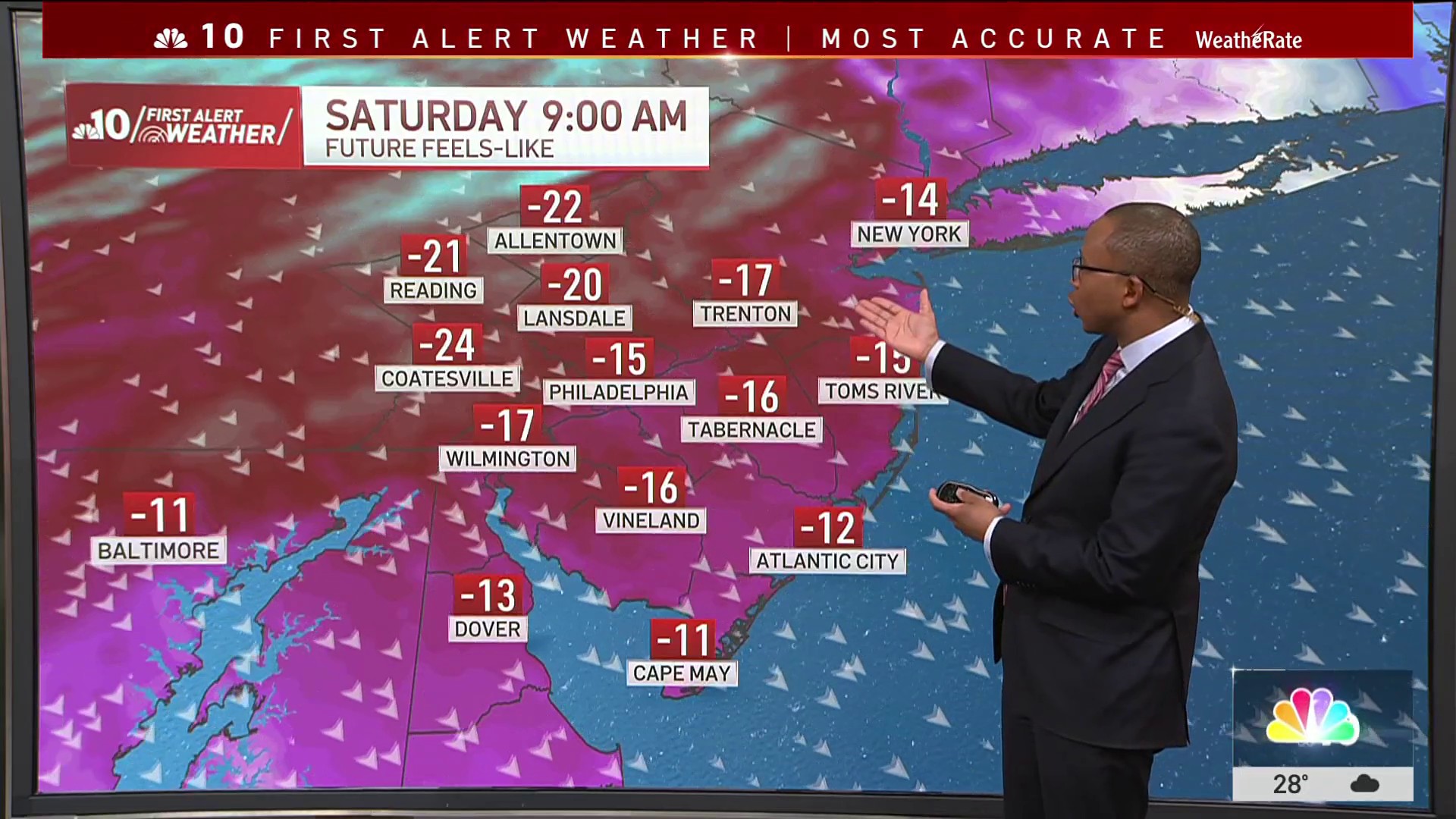
This broadcast-focused coverage explains the sequence of events, with snow squalls arriving first and a deeper cold settling in afterward. It helps viewers understand timing, which is critical for preparation. Within the trend, this reinforces that snow squalls are often precursors, signaling a rapid shift toward more dangerous cold rather than being the main event themselves.
Summary / Insights
Across coverage, a consistent theme emerges: snow squalls matter less for how much snow they drop and more for how quickly they change conditions. News outlets emphasize sudden visibility loss, flash freezing, and the added stress of extreme cold. Different angles, from historical cold records to real-time warnings, all point to the same conclusion that short-duration winter events can carry outsized risks. Likely implications include continued focus on public alerts, driver awareness, and understanding winter weather as a combination of interacting hazards rather than isolated phenomena.