Total Lunar "Blood Moon" Eclipse Visible Across the United States Draws Widespread Skywatching
A total lunar eclipse occurred early Tuesday morning across the United States, turning the moon a deep red color during totality. The event was visible across much of North America before sunrise. Observers across multiple states photographed and livestreamed the phenomenon as Earth passed directly between the sun and the moon. The alignment caused sunlight filtering through Earth’s atmosphere to cast a red hue on the lunar surface.
TL;DR
- A total lunar eclipse created a visible "blood moon" across the United States early Tuesday.
- The event occurred as Earth moved between the sun and the moon during a full moon phase.
- Skywatchers across multiple states captured photos and videos of the eclipse.
- The event highlights a predictable astronomical alignment visible without telescopes.
What Happened
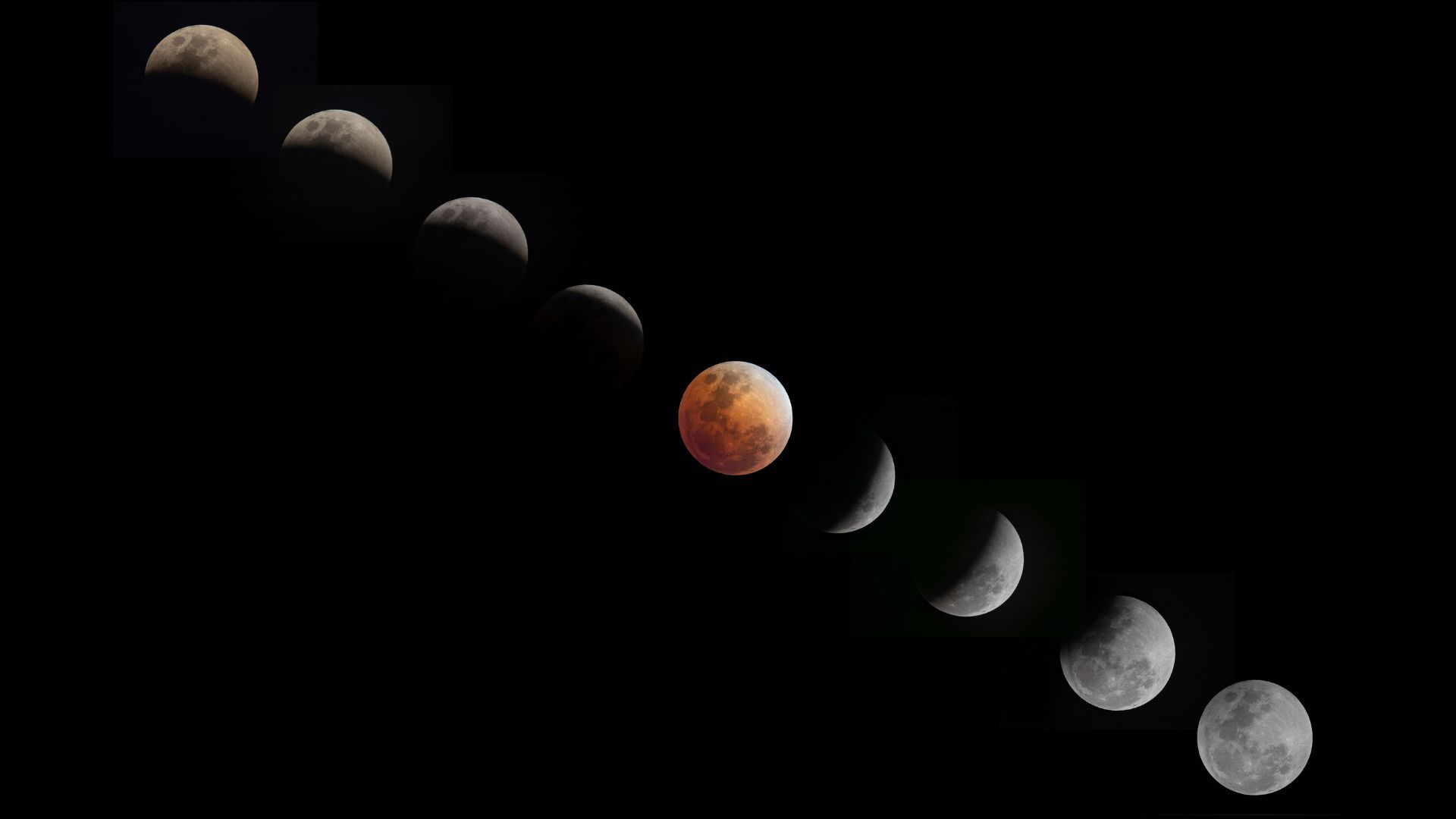
A total lunar eclipse occurred during the early morning hours of Tuesday, March 2026, when Earth moved directly between the sun and the full moon. During the alignment, Earth’s shadow gradually covered the moon until totality was reached. At totality, sunlight refracted through Earth’s atmosphere illuminated the lunar surface with a red coloration commonly called a "blood moon." The eclipse was visible across large portions of the United States before sunrise, with observers in states including Arizona, Georgia, Washington, and Oregon reporting clear views. Photographers and skywatchers captured images and timelapse recordings as the eclipse progressed from partial shadow to full totality and back to normal illumination.
Key Developments
Skywatching organizations and space agencies published viewing schedules in advance identifying local peak eclipse times for U.S. regions. Observatories and astronomy groups hosted livestreams and viewing events during the early morning hours. Weather conditions influenced visibility, with clearer skies reported in several western and southern states. Photographs and viewer-submitted images circulated online shortly after the eclipse ended, documenting the moon’s red coloration during totality.
Why This Matters
Total lunar eclipses occur only when the sun, Earth, and moon align precisely during a full moon phase. The red color appears because Earth’s atmosphere filters shorter wavelengths of sunlight while bending red wavelengths toward the moon. Unlike solar eclipses, lunar eclipses are safe to observe without protective equipment. These events provide opportunities for public astronomy engagement and for photographers to document predictable celestial alignments.
What Happens Next
The moon returned to its normal brightness as it exited Earth’s shadow after totality ended. Astronomical calendars already list future lunar eclipses that will be visible from different regions of the world in coming years. Space agencies and observatories will continue publishing skywatching guides ahead of upcoming eclipse events.
FAQ
What is a blood moon lunar eclipse?
A blood moon occurs during a total lunar eclipse when Earth blocks direct sunlight from reaching the moon. Sunlight passing through Earth’s atmosphere turns the moon reddish during totality.
When did the March 2026 lunar eclipse occur in the United States?
The eclipse occurred during the early morning hours of Tuesday in March 2026. Totality took place before sunrise across much of the United States.
Where in the United States was the eclipse visible?
The total lunar eclipse was visible across large parts of North America. Observers reported views in states including Arizona, Georgia, Oregon, and Washington.
Why does the moon turn red during a total lunar eclipse?
Earth’s atmosphere bends and filters sunlight during totality. Red wavelengths reach the moon while blue light scatters, creating the red appearance.
Do you need special equipment to view a lunar eclipse?
No special equipment is required to watch a lunar eclipse. The event can be safely viewed with the naked eye from any location with clear skies.