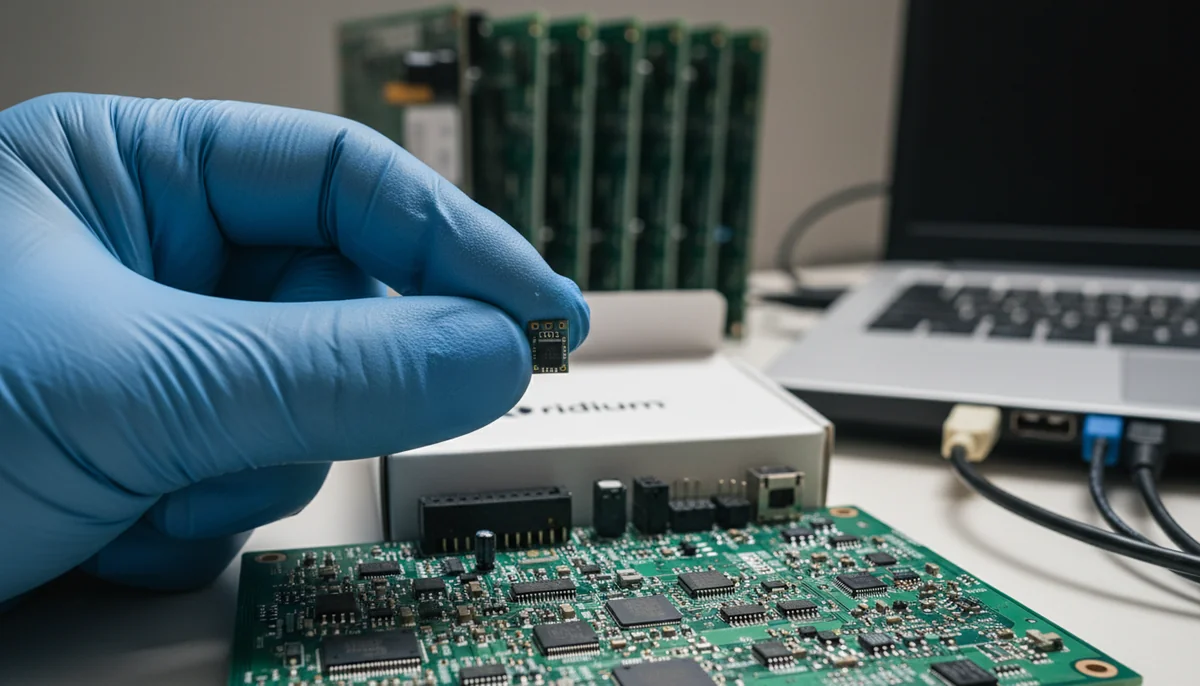
Iridium Launches Next-Generation 9604 IoT Module Combining Satellite and Cellular Connectivity
Iridium Communications has officially launched the Iridium 9604, a next-generation IoT module that integrates satellite, cellular, and GNSS capabilities into a single small-form-factor device. This new hardware is designed to streamline global tracking and data transmission by allowing devices to switch between different network types automatically. The launch marks a significant reduction in the physical board space required for multi-network IoT applications.
TL;DR
- Iridium released the 9604 module, merging satellite, cellular, and GPS functions.
- The module significantly reduces hardware size and complexity for developers.
- Devices gain seamless global coverage by utilizing both terrestrial and space-based networks.
- This development simplifies the manufacturing of global asset tracking and monitoring tools.
What Happened
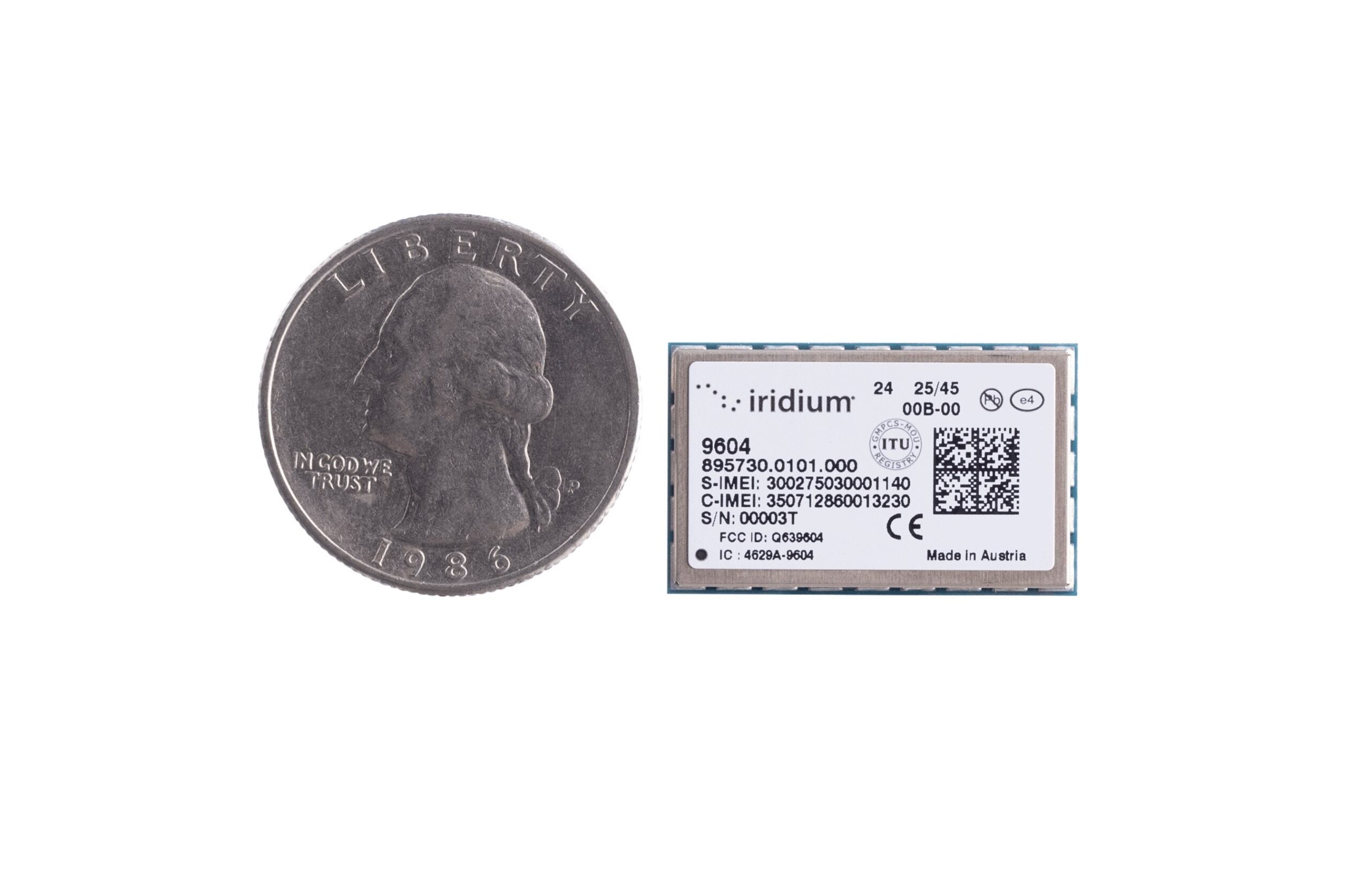
On February 24, 2026, Iridium Communications announced the commercial availability of its latest Internet of Things (IoT) hardware platform. The centerpiece of this release is the Iridium 9604 module, which is roughly the size of a postage stamp. Unlike previous generations that often required separate components for different types of connectivity, this single module handles Iridium Short Burst Data (SBD), LTE cellular connectivity, and GNSS positioning. The release aims to address the growing demand for "dual-mode" devices that operate on cheap cellular networks when available and switch to satellite in remote areas.
Key Developments
The Iridium 9604 module introduces several technical advancements for the IoT industry. It utilizes a unified interface that allows developers to write a single piece of software to manage multiple connection types. Iridium confirmed that the module is designed to be plug-and-play with existing integrated circuits, which reduces the time-to-market for third-party manufacturers. Additionally, the integration of GNSS directly into the module eliminates the need for an external positioning chip, further reducing the power consumption and physical footprint of the final tracking devices.
Why This Matters
The launch is factually significant because it removes a major hardware barrier for global IoT deployment. Previously, companies tracking assets across oceans or remote deserts had to design complex boards with multiple antennas and modems. By consolidating these into one module, the cost and size of global tracking units are expected to decrease. This enables more industries, such as maritime shipping and heavy equipment management, to maintain 100% uptime for data transmission regardless of geographic location.
What Happens Next
Following the launch, Iridium's partner ecosystem will begin integrating the 9604 module into new commercial products. Field testing by early adopters in the logistics and environmental monitoring sectors is expected to conclude in the coming months. Iridium has stated that the module is now available for order by qualified developers and original equipment manufacturers (OEMs) worldwide.
FAQ
What is the Iridium 9604 module?
It is a compact IoT hardware component that combines satellite data transmission, cellular LTE connectivity, and GPS/GNSS positioning. It is designed to give IoT devices global coverage in a single small package.
How does the hybrid satellite-cellular connectivity work?
The module is programmed to prioritize cellular networks for lower-cost data transmission when available. It automatically switches to the Iridium satellite constellation when the device moves out of cellular range.
What are the primary use cases for this new IoT module?
The module is primarily intended for asset tracking, fleet management, and remote monitoring in industries like maritime, aviation, and oil and gas. It ensures that critical data is sent even from the most remote locations on Earth.
Does the Iridium 9604 require separate antennas?
While the module integrates the processing logic for all three services, hardware developers will still need to provide appropriate antenna systems for satellite, cellular, and GNSS frequencies. However, the internal complexity of the circuitry is greatly reduced.
When will devices using the 9604 module be available?
The module itself is currently available to manufacturers. Finished consumer or industrial products using this technology are expected to hit the market later in 2026 as companies complete their product development cycles.