Verizon’s Phone Unlocking Shift Signals a Turning Point for U.S. Wireless Policy
The U.S. wireless market is adjusting to a quiet but consequential regulatory shift. Verizon’s decision to stop automatically unlocking phones after a fixed period follows a change in Federal Communications Commission rules and lands at a moment when the agency’s authority itself is under renewed legal scrutiny. Together, these developments are reshaping how consumers switch carriers, how device makers negotiate with networks, and how much power regulators retain over the industry.
Main Topic Overview
For years, automatic phone unlocking after a set number of days functioned as an invisible consumer protection. It reduced friction for customers who wanted to move between carriers once basic obligations were met. That norm is now fading. With the FCC ending its long-standing unlock requirement, Verizon has moved to keep devices locked for longer periods, reframing unlocking as a conditional or delayed benefit rather than a default outcome.
This change is not happening in isolation. It intersects with broader debates about competition in the wireless market, the economics of handset subsidies, and the scope of the FCC’s enforcement powers—questions that have surfaced repeatedly over the past decade and are now before the U.S. Supreme Court.
News Coverage
Verizon to stop automatic unlocking of phones as FCC ends day unlock rule

Ars Technica details how the FCC’s decision to end the automatic unlocking rule removed a long-standing obligation that carriers had quietly absorbed as part of doing business. Verizon’s response highlights how regulatory floors often become consumer expectations over time. Once removed, the balance shifts back toward carrier control, particularly in how long devices remain tied to a single network.
The article situates Verizon’s move within the economics of handset financing, noting that locked devices reduce churn and protect subsidy investments. From a broader perspective, it shows how policy changes that appear technical can ripple outward, altering competitive dynamics and consumer behavior almost immediately.
Verizon no longer needs to unlock phones after days, thanks to FCC

9to5Google frames the change through an Android and device-ecosystem lens, emphasizing how unlocking rules affect resale value and international use. The analysis points out that automatic unlocking had become an assumed feature for many buyers, particularly those purchasing premium devices at full price.
By connecting FCC policy language to everyday user scenarios, the piece illustrates how regulatory shifts translate into practical limitations. The coverage also hints at longer-term consequences, such as reduced flexibility for travelers and secondary markets that depend on unlocked hardware.
Verizon doesn't have to unlock your Samsung phone after days anymore
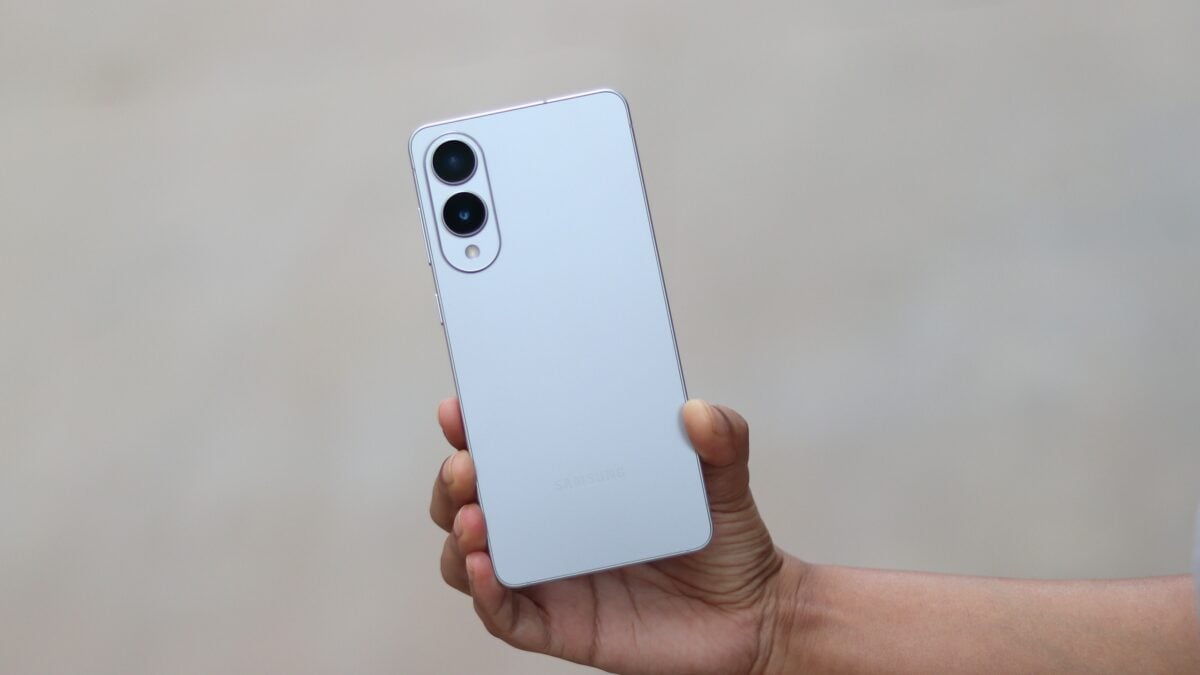
SamMobile narrows the focus to Samsung devices, a segment where carrier partnerships are especially influential. The article explains how the policy shift may disproportionately affect flagship buyers who historically expected minimal post-purchase restrictions.
By grounding the story in specific models and buyer expectations, the coverage underscores how manufacturer–carrier relationships shape user experience. It also reflects a recurring theme in U.S. wireless history: premium devices often become the testing ground for new carrier policies.
Federal Communications Commission changes device unlocking rules that cost Verizon hundreds of millions of dollars each year

This report emphasizes the financial dimension, citing estimates that previous unlocking requirements imposed significant costs on Verizon. By presenting the issue through an investor and regulatory lens, it highlights why carriers have long lobbied for greater flexibility.
The piece adds context by showing how policy debates often hinge on economic framing. Consumer convenience and market competition are weighed against carrier cost structures, a tension that has defined FCC decision-making across multiple administrations.
Supreme Court takes case that could strip FCC of authority to issue fines
This article broadens the narrative beyond Verizon, examining a Supreme Court case that could redefine the FCC’s enforcement powers. While not directly about unlocking, the case shapes the regulatory backdrop against which carriers now operate.
The coverage draws a line between weakened enforcement authority and industry behavior, suggesting that fewer regulatory consequences can embolden companies to test policy boundaries. Historically, similar moments have preceded shifts in carrier practices.
SCOTUS to weigh FCC’s enforcement power

Lexology provides a legal analysis of the same Supreme Court issue, outlining arguments that question how and when the FCC can impose fines. The piece situates the case within administrative law trends that have gradually narrowed agency discretion.
For the wireless sector, this context matters. Unlocking rules and similar consumer protections rely not only on written policy but on credible enforcement. Changes at the judicial level can therefore indirectly shape carrier strategies.
Summary / Insights
Taken together, these developments mark a subtle but meaningful shift in U.S. wireless policy. Verizon’s longer phone-locking practices reflect a regulatory environment that is stepping back from prescriptive consumer rules at the same time courts are reassessing agency authority. This isn’t the first time carrier flexibility has expanded following regulatory change; similar patterns appeared after earlier deregulatory moves in the 2000s.
For consumers, the immediate effect is reduced mobility between carriers. For the industry, the longer-term question is whether competition will adapt through pricing and incentives or whether regulatory intervention will return in a different form. As the Supreme Court weighs the FCC’s powers, the outcome may determine how much latitude carriers have in shaping the next phase of wireless service norms.
TL;DR
Verizon is locking phones for longer after the FCC ended automatic unlocking rules, a move that aligns with broader legal challenges to the FCC’s authority and could reshape how easily U.S. consumers switch carriers.