SpaceX Falcon 9 Starlink Rocket Launch from Florida and California
SpaceX successfully executed two Falcon 9 launches on March 3, 2026, deploying Starlink satellites from both Florida and California within hours of each other.
SpaceX Falcon 9 Starlink Rocket Launch from Florida and California
SpaceX successfully launched two separate Falcon 9 rockets on March 3, 2026, from both the East and West Coasts. These bicoastal missions deployed additional Starlink satellites into low Earth orbit to expand global internet coverage. The launches occurred within hours of each other, maintaining the company's high-frequency flight schedule for the year.
TL;DR
Two Falcon 9 rockets launched from Florida and California.
Dozens of Starlink satellites were successfully deployed into orbit.
Both first-stage boosters landed on autonomous droneships at sea.
The dual launches reinforce SpaceX's dominance in rapid orbital delivery.
What Happened
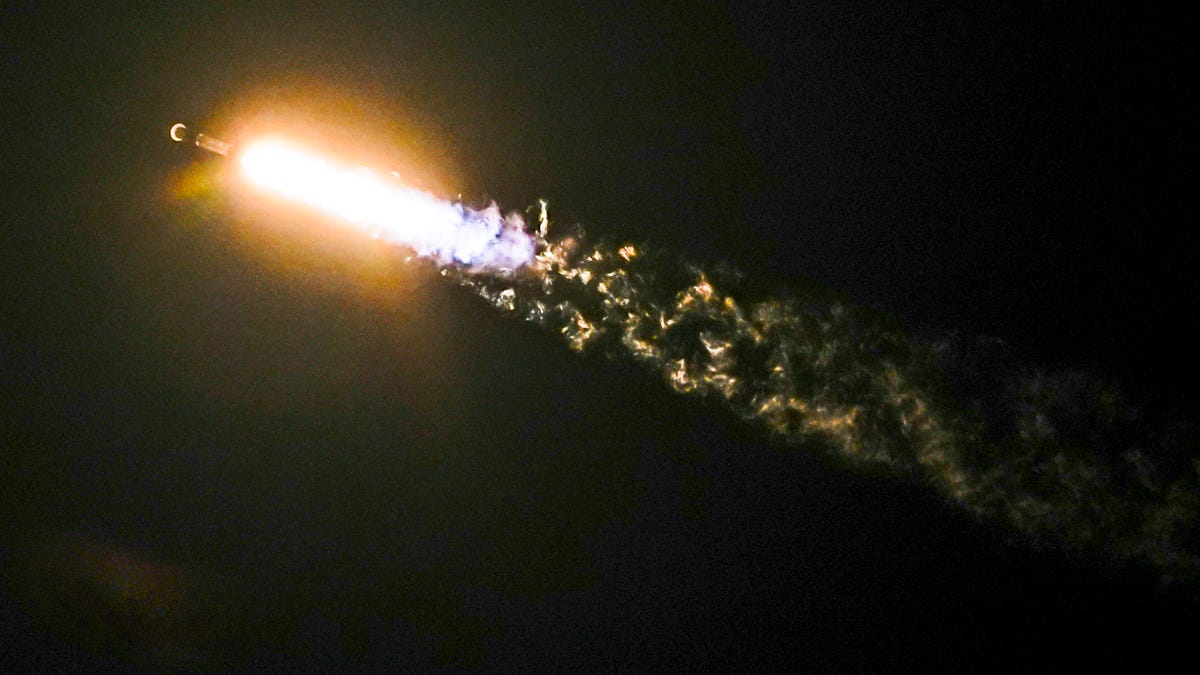
On March 3, 2026, SpaceX conducted a bicoastal launch operation involving two Falcon 9 rockets. The first mission, Starlink 10-41, lifted off from Cape Canaveral Space Force Station in Florida during a late-night window. Approximately two hours later, the Starlink 17-23 mission launched from Vandenberg Space Force Base in California. Both missions carried batches of Starlink v2 Mini satellites designed to enhance network capacity. Following stage separation, the Florida booster landed on the droneship "Just Read the Instructions," while the California booster landed on "Of Course I Still Love You."
Key Developments
SpaceX confirmed the successful deployment of all satellites into their intended orbits shortly after each liftoff. The Florida launch was visible across the Space Coast, including Daytona Beach and New Smyrna Beach, providing a clear view for local observers. These missions marked the continued reuse of flight-proven first-stage boosters, with both boosters having completed multiple previous flights. The turnaround time between these two coastal launches showcased the operational efficiency of SpaceX's ground crews and autonomous recovery systems.
Why This Matters
The successful execution of dual-coast launches on the same day demonstrates the scalability of private space flight. Increasing the Starlink constellation size is a primary driver for providing high-speed internet to remote and underserved regions globally. These frequent launches also serve to test the reliability of reusable rocket components, which is a critical factor in reducing the overall cost of access to space.
What Happens Next
SpaceX is scheduled to continue its aggressive launch cadence with several more Starlink missions planned for the remainder of March 2026. Data collected from these specific flights will be used to further refine booster recovery protocols and satellite thermal management. Regulatory filings indicate that additional heavy-lift missions and crewed flights are slated for the upcoming months from Kennedy Space Center.
FAQ
Where did the rocket launches take place today?
The launches occurred at Cape Canaveral Space Force Station in Florida and Vandenberg Space Force Base in California on March 3, 2026. Both sites utilized specialized launch pads optimized for the Falcon 9 vehicle.
What was the primary cargo of the Falcon 9 rockets?
Both Falcon 9 rockets carried batches of Starlink satellites into low Earth orbit. These satellites are part of the Starlink 10-41 and 17-23 mission groups intended for global broadband service.
Did the rocket boosters land successfully?
Yes, both first-stage boosters landed on autonomous droneships located in the Atlantic and Pacific Oceans. The droneships used were "Just Read the Instructions" and "Of Course I Still Love You."
Can the public watch these SpaceX launches?
Yes, the Florida launch was visible from public viewing areas in Daytona Beach and New Smyrna Beach. SpaceX also provided a live video broadcast of both the California and Florida liftoffs via their official channels.