Verizon Wireless Outages Expose How Fragile Always-On Connectivity Can Be
For millions of Americans, mobile service is no longer a convenience—it is infrastructure. So when Verizon Wireless experienced a widespread network disruption in mid-January, the outage quickly became more than a technical hiccup. It triggered emergency alerts, stalled businesses, and reignited questions about how resilient modern telecom networks really are. What follows is a detailed look at what happened, how different outlets explained it, and why this incident matters beyond a single bad day for customers.
Main Topic Overview
The Verizon outage unfolded over several hours, affecting customers across multiple regions, with particularly visible disruptions reported in major metropolitan areas. Users described dropped calls, failed text messages, and data connections that simply would not load. As reports piled up on outage trackers and social media, the issue moved from isolated frustration to a national talking point, drawing responses from Verizon itself, federal agencies, and industry analysts.
This was not the first large-scale disruption faced by a U.S. wireless carrier, but its timing and scope made it especially noticeable. In an era where emergency services, navigation, remote work, and even payment systems depend on stable mobile connectivity, the outage highlighted how deeply embedded these networks have become in everyday life.
News Coverage
An update on our network outage

Verizon’s own statement focused on reassurance and restoration. The company acknowledged the disruption, confirmed that engineers had identified the affected network components, and emphasized that service was being progressively restored. The language was careful and measured, avoiding speculation about root causes while stressing customer impact and the steps taken to stabilize the network.
Notably, Verizon framed the incident as a technical fault rather than a security issue, a distinction that matters in maintaining public confidence. The update also hinted at internal review processes, suggesting the outage would be analyzed to prevent recurrence, though specifics were not provided at that stage.
Verizon customers in metro Atlanta left frustrated after Wednesday's widespread service outage
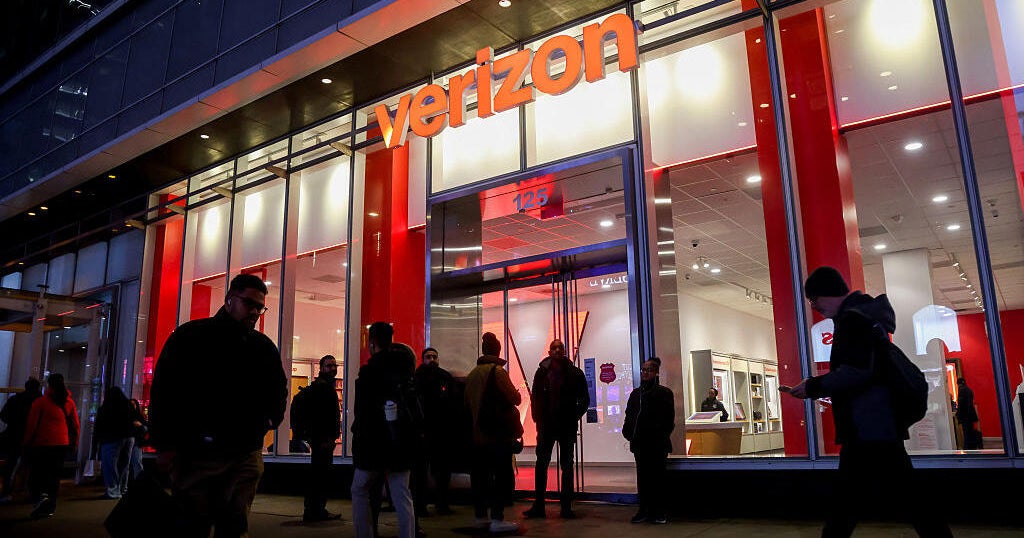
CBS News centered its reporting on customer experience, particularly in the Atlanta metro area. Interviews with residents painted a picture of confusion and disruption, with some unable to reach family members or complete basic tasks that rely on mobile data.
The report underscored how localized impacts can feel intensely personal, even during a nationwide event. While Verizon’s corporate response was still developing, customers on the ground were left improvising—seeking Wi-Fi, borrowing devices, or simply waiting for service to return.
'Fat Fingers' May Have Caused Verizon's Network Outage, According to Analyst

CNET introduced a more speculative angle by citing analysts who suggested human error—sometimes informally called “fat fingers”—could have played a role. This explanation points to the complexity of modern networks, where a single misconfiguration can cascade into widespread failure.
While not confirmed by Verizon, the analysis resonated because similar incidents have occurred in the past across the tech industry. The piece balanced speculation with caution, noting that definitive conclusions require internal investigation results that companies rarely disclose in full.
Verizon just had a big outage. Here’s what we know
NPR’s coverage aimed to synthesize confirmed facts amid widespread speculation. The report outlined what Verizon had acknowledged, what remained unclear, and how customers and authorities were responding in real time.
By placing the outage in context—alongside previous telecom disruptions—NPR highlighted that such events are rarely caused by a single factor. Instead, they tend to emerge from the intersection of complex systems, human oversight, and increasing network demand.
Is Verizon down? Outage resolved after more than . million reports
USA Today emphasized scale, citing the sheer volume of outage reports logged by users nationwide. This data-driven perspective helped quantify what many were feeling anecdotally: the disruption was both broad and intense.
The article also tracked the timeline from initial failures to eventual resolution, illustrating how quickly digital frustration can escalate when communication channels falter, and how closely the public monitors service status in real time.
Verizon offering customers $ credits after hourslong outage impacted thousands
ABC News focused on Verizon’s decision to offer account credits as a form of compensation. While modest in monetary terms, the gesture signaled acknowledgment of inconvenience and an attempt to preserve customer trust.
The report noted that such credits are a common industry response, raising broader questions about how companies value downtime and whether financial gestures adequately reflect the real-world impact on users.
Widespread Verizon outage resolved after prompting emergency alerts in Washington, New York City
NBC News highlighted one of the more striking consequences: emergency alerts issued in major cities as authorities responded to communication disruptions. This angle underscored how telecom outages can ripple into public safety considerations.
The coverage reinforced the idea that mobile networks are now intertwined with civic infrastructure. When they falter, the response extends beyond customer service desks to city agencies and emergency planners.
Summary / Insights
Taken together, the coverage reveals a multifaceted story. Verizon’s outage was at once a technical event, a customer service challenge, and a reminder of systemic dependence on wireless connectivity. Corporate statements emphasized restoration and review, while media outlets filled in the human, analytical, and civic dimensions.
This incident fits a broader historical pattern: as networks grow more complex and essential, the consequences of failure become more visible. Whether caused by human error, software issues, or infrastructure strain, outages like this one prompt renewed scrutiny of redundancy, transparency, and accountability in the telecom industry.
TL;DR
A widespread Verizon outage disrupted service across the U.S., affecting everyday communication and public systems. Coverage ranged from customer frustration to technical speculation, highlighting how critical mobile networks have become—and how vulnerable they can be.