Snowstorm Uncertainty Grips the U.S. as Forecast Models Clash
As mid-January unfolds, a familiar winter tension is playing out across large parts of the United States: the possibility of snow in places that rarely see it, balanced against the persistent uncertainty of weather models. From the Deep South to the Northeast, meteorologists, local officials, and residents are watching forecasts that hint at wintry weather while stopping short of firm predictions.
Main Topic Overview
The current trend centers on an approaching Arctic air mass pushing unusually cold temperatures deep into the southern United States, while multiple storm systems track across the country. Historically, these setups have produced anything from headline-making snow events to little more than cold rain. What makes this moment notable is the geographic spread of attention—from Florida and Louisiana to New Jersey—reflecting how wide-ranging the potential impacts could be.
News Coverage
Potential Southern Snow This Weekend: Reality Or Model Noise?
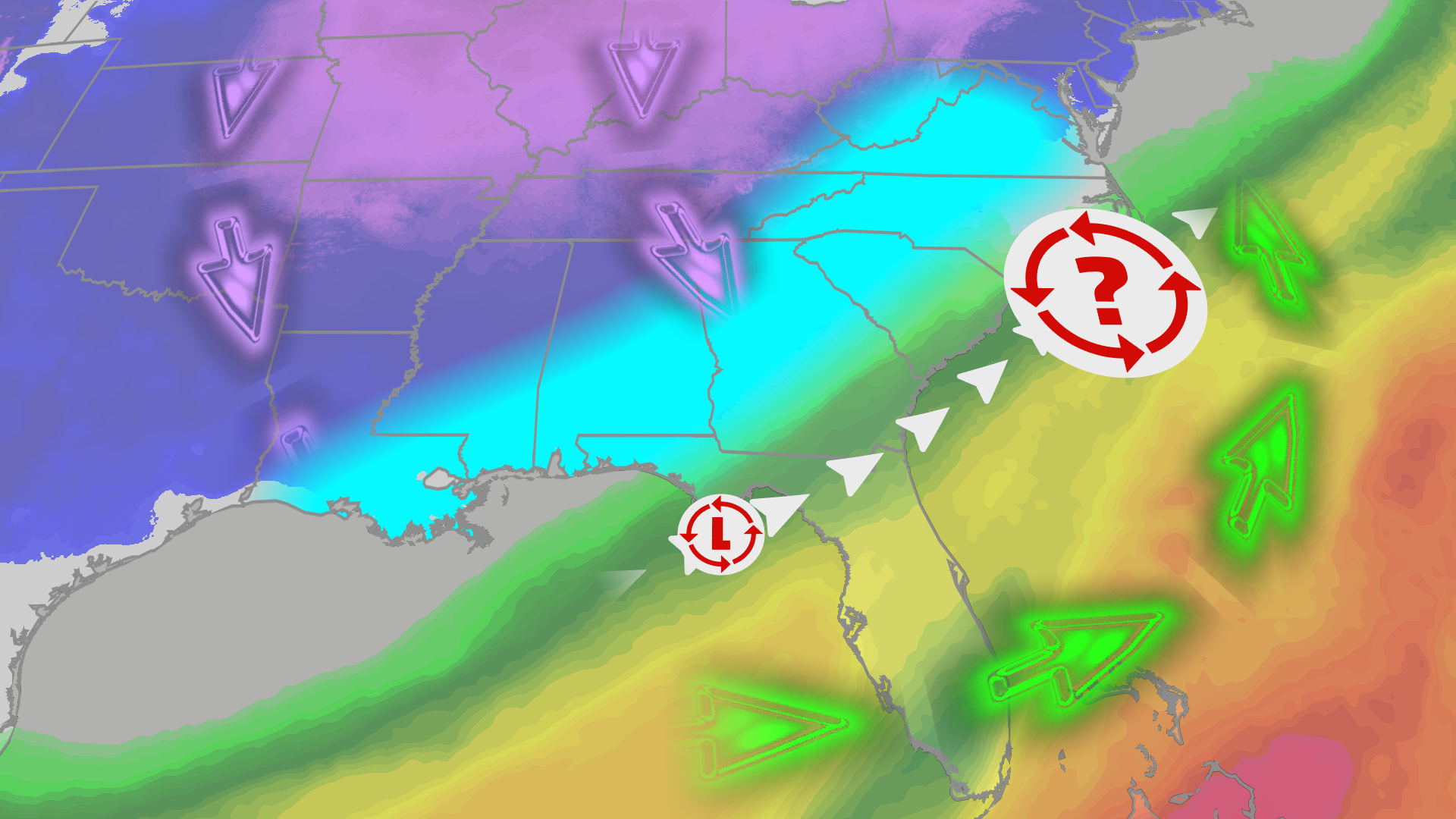
This analysis highlights the growing gap between forecast models, some of which suggest measurable snow across parts of the South, while others dismiss the idea as statistical outliers. The Weather Channel emphasizes how small shifts in storm track or temperature profiles could dramatically change outcomes. This cautious framing reflects long-standing challenges in southern snow forecasting, where marginal temperatures often determine whether precipitation falls as rain, sleet, or snow. The broader trend underscores how model disagreement itself has become part of the public conversation around winter weather.
Wild temperature swings and maybe wild precipitation ahead
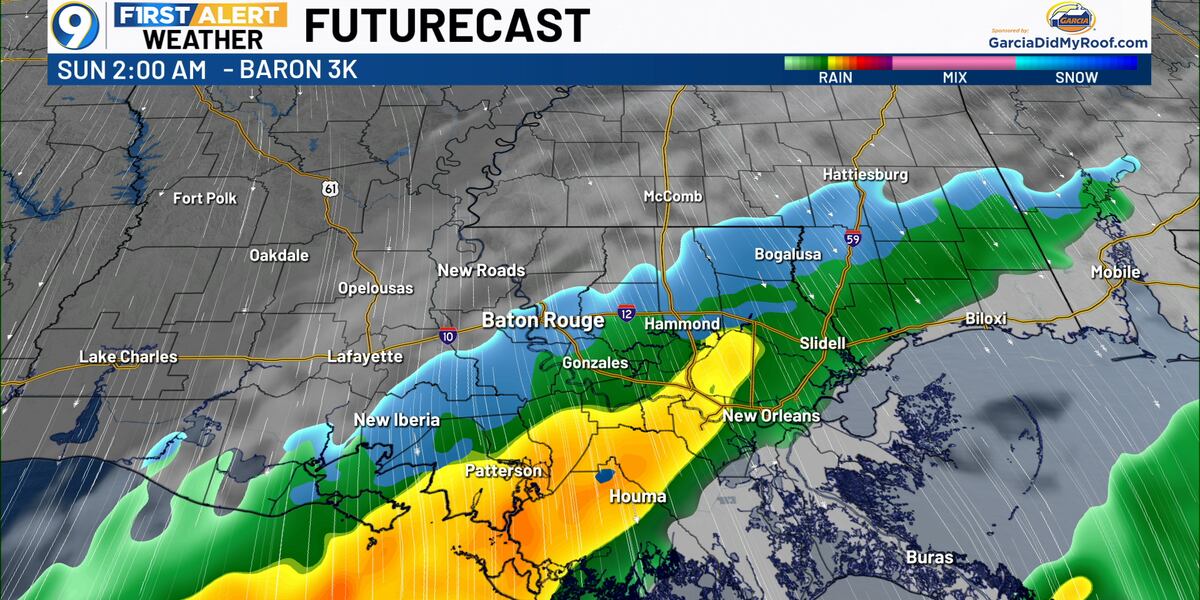
This local report focuses on dramatic temperature swings expected over a short period, a hallmark of Arctic intrusions into the southern Plains and Gulf states. Forecasters outline scenarios ranging from mild sunshine to wintry precipitation within days. The uncertainty mirrors past winters where rapid transitions complicated travel planning and public messaging. In the context of the broader trend, it illustrates how volatility—not just snow totals—is driving concern.
Snow again in New Orleans? Local weather forecasters say it’s possible, but not likely.
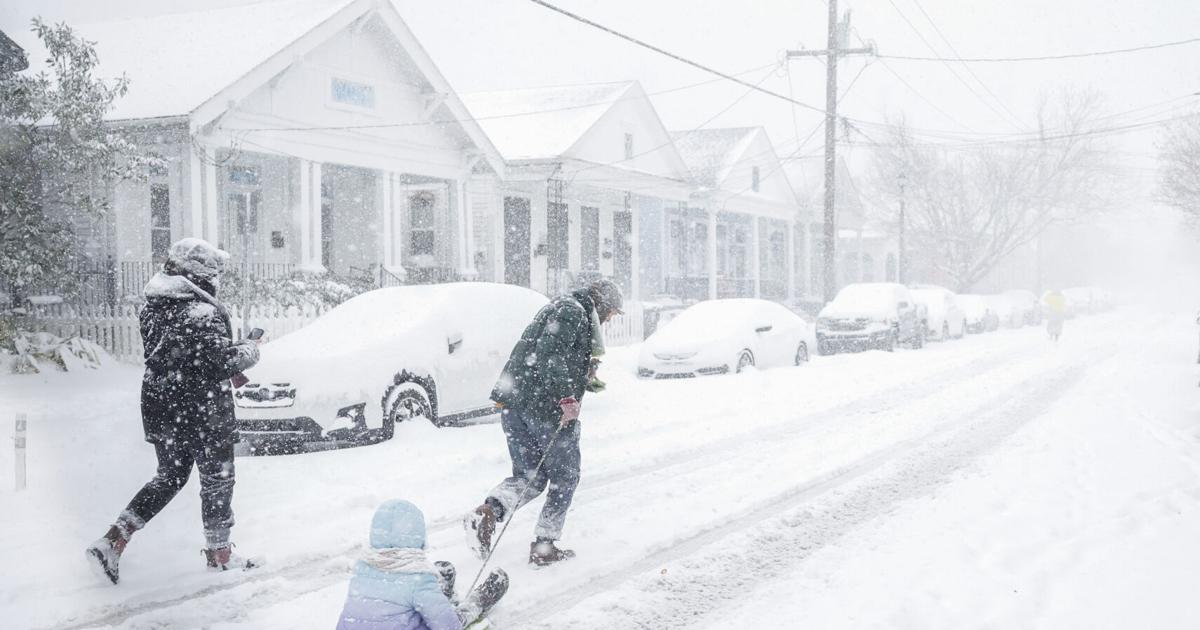
Drawing on local climatology, this piece places the snow question in historical context, noting how rare but memorable snow events have shaped public expectations. Forecasters stress that while atmospheric ingredients may briefly align, the odds remain low. This cautious tone reflects lessons from previous near-miss events, reinforcing the broader narrative that rarity does not equal impossibility—but neither does it guarantee impact.
Will Florida and the South get hit with snow this weekend?

The Washington Post broadens the lens, comparing current forecasts with past southern snow events that captured national attention. Meteorologists interviewed emphasize probability rather than headlines, explaining why Florida snow remains a long shot. This perspective contributes to the overall trend by balancing public curiosity with statistical realism, highlighting how media outlets navigate high-interest but low-probability scenarios.
Cold blast moving in, snow potential uncertain this weekend
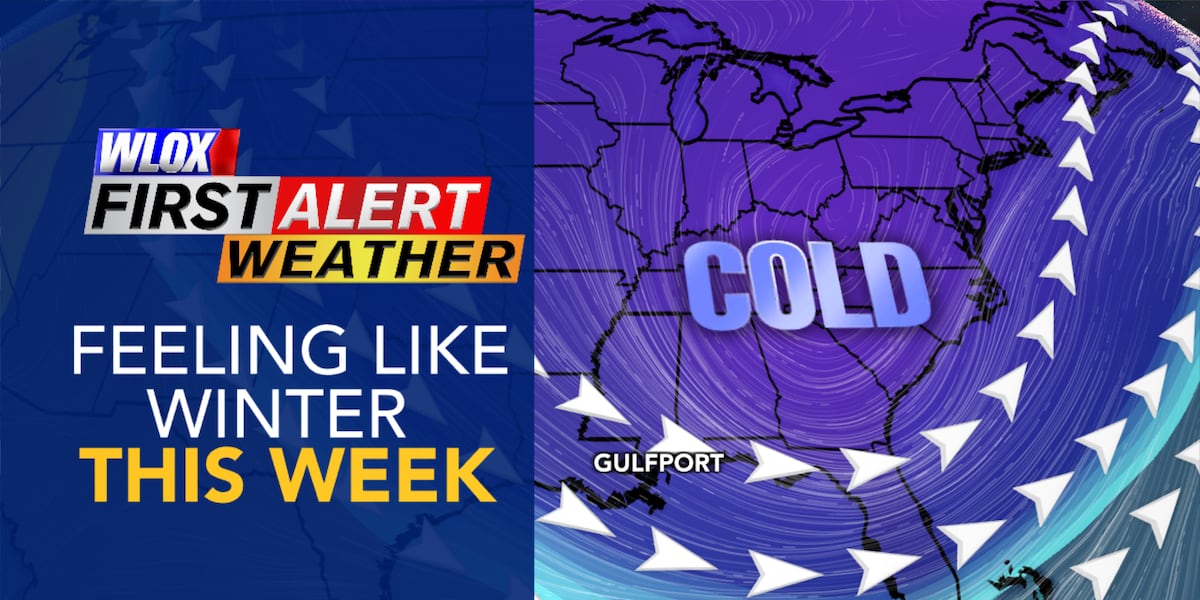
This report underscores the arrival of cold air as a certainty, while snow remains conditional. By focusing on preparedness rather than prediction, it reflects a common approach among local outlets facing forecast ambiguity. Within the larger narrative, it shows how cold itself—regardless of snow—can still disrupt daily life, from energy demand to school schedules.
Could Florida see snow from approaching cold front? Models say maybe

This piece highlights how model variability fuels both public interest and confusion. By explaining why different models diverge, it adds educational context to the discussion. The article fits into the broader trend of transparency in forecasting, helping readers understand why definitive answers are often elusive days in advance.
Arctic blast heads for Middle Georgia as snow chances dwindle

Here, the emphasis shifts from snow potential to diminishing odds as updated forecasts arrive. This evolution reflects a common pattern in winter weather coverage, where early excitement gives way to tempered expectations. In the larger storyline, it demonstrates how trends can cool—literally and figuratively—as data sharpens.
Icy conditions likely to create delays on Thursday

This report shifts focus northward, where icing rather than snow poses the primary risk. It highlights how even modest winter weather can disrupt transportation and commerce. Within the broader trend, it reinforces that impacts are not limited to snowfall totals but include secondary hazards like ice and wind.
N.J. weather: Snow possible from storms this weekend as temperatures plummet

In the Northeast, snow remains a more familiar possibility, though uncertainty persists around timing and intensity. This coverage places current forecasts within the region’s winter norms, contrasting sharply with southern anxieties. Together, these perspectives illustrate how the same atmospheric pattern can mean very different things depending on location.
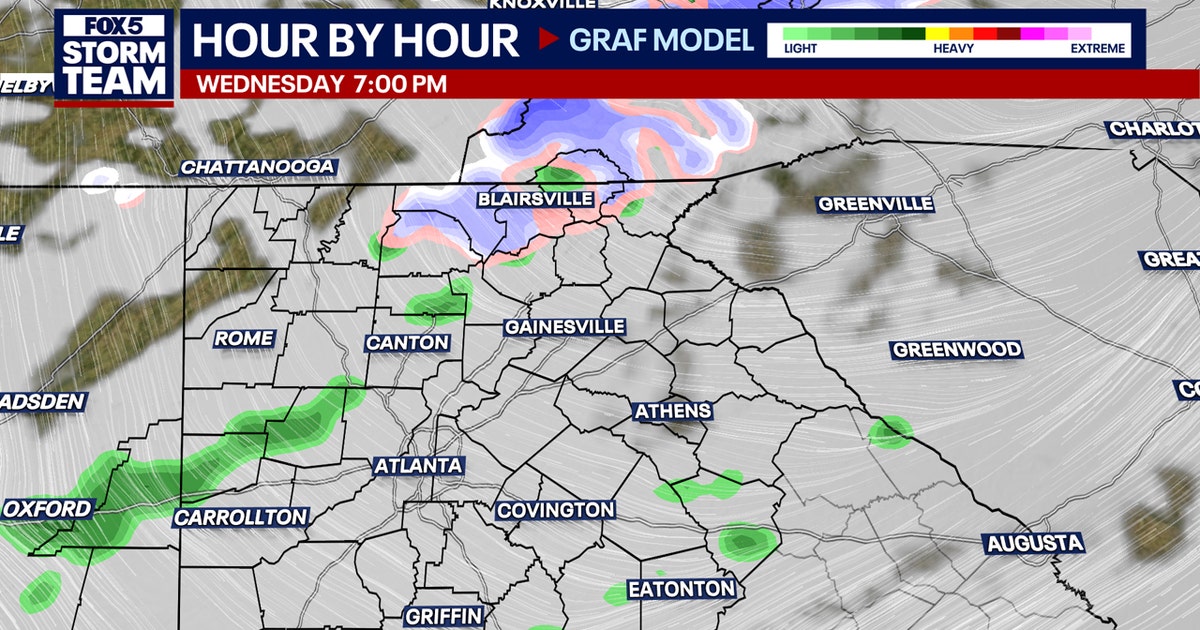
Sharp cold with strong gusts today and Friday, two chances of snow this weekend
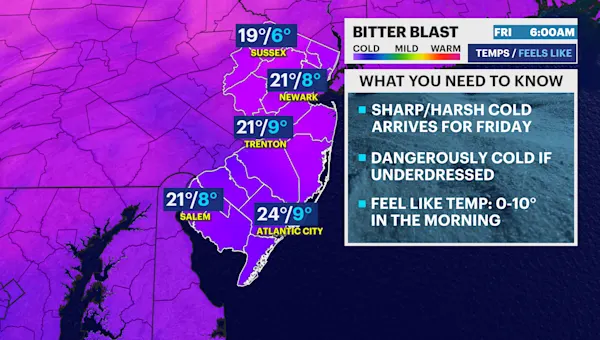
This forecast emphasizes wind and cold alongside snow chances, painting a fuller picture of winter discomfort. By outlining multiple scenarios, it reflects the layered uncertainty facing forecasters. In the overall trend, it reinforces how winter weather stories increasingly focus on combinations of hazards rather than single metrics.
Summary / Insights
Across regions, the dominant theme is uncertainty driven by marginal temperatures and competing forecast models. While the idea of snow in the Deep South captures attention, most coverage stresses probability over spectacle. Historically, similar setups have produced mixed outcomes, and this episode appears no different—marked more by watchfulness than certainty.
TL;DR: A widespread cold blast has sparked snow speculation from Florida to New Jersey, but forecasts remain fluid, with cold impacts more certain than snowfall itself.