When Is It Too Cold for School? Rochester Reopens a Familiar Winter Debate
As winter tightens its grip on upstate New York, school closings in Rochester have once again become a point of intense local focus. Frigid temperatures, wind chills, and concerns about student safety are driving renewed conversations among parents, educators, and district leaders about where the line is drawn between perseverance and precaution. This latest cold snap has pushed that question back into the spotlight, echoing debates that surface nearly every winter across the region.
Main Topic Overview
Rochester and surrounding districts are no strangers to severe winter weather. Snowstorms, icy roads, and extreme cold have long shaped how schools plan calendars and emergency protocols. Unlike snow days, which are often triggered by road conditions and visibility, cold-related closures are more nuanced. They hinge on factors such as wind chill exposure, bus reliability, building heating systems, and the health risks posed to children waiting outdoors. While there is no single statewide temperature cutoff, districts rely on guidance from health agencies and transportation officials to make judgment calls that balance safety with instructional continuity.
News Coverage
How cold is too cold for school? What prompts closures in upstate NY
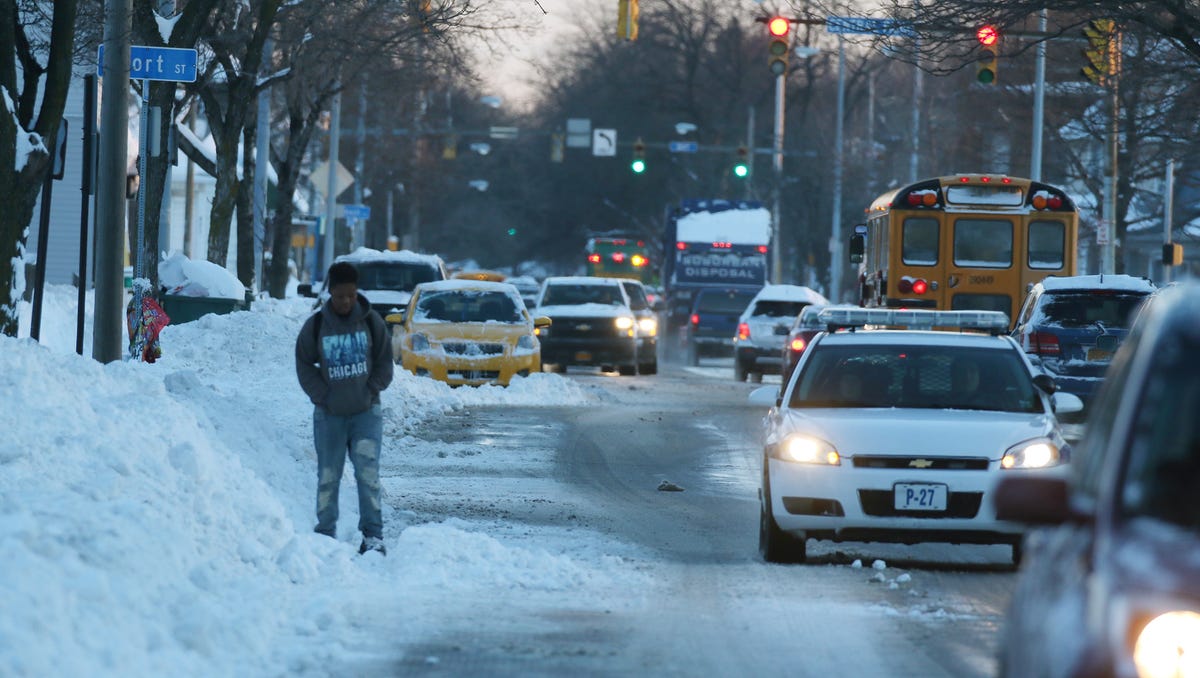
The Democrat and Chronicle explores how school officials across upstate New York evaluate extreme cold when deciding whether to close schools. The article explains that while snowfall often grabs headlines, bitter cold can be equally disruptive, particularly when wind chills drop to levels that pose risks of frostbite within minutes. District leaders describe how transportation concerns weigh heavily, as buses may struggle to start and students can face prolonged exposure while waiting outside.
The coverage also highlights that there is no uniform temperature threshold mandating closures. Instead, superintendents consult weather forecasts, assess local infrastructure, and consider guidance from county health departments. In Rochester’s case, officials note that urban density, shorter bus routes, and building upgrades can influence decisions differently than in rural districts. The article situates the current cold spell within a pattern seen in previous winters, where similar debates emerged during polar vortex events.
Summary / Insights
The renewed attention on school closings in Rochester underscores how extreme cold, not just snow, shapes winter life in upstate New York. Across districts, leaders are navigating a familiar tension between maintaining instructional days and protecting student well-being. The absence of a hard temperature rule leaves room for local discretion, which can lead to differing outcomes even within the same region.
Historically, similar cold snaps have prompted the same questions, particularly during notable winters marked by prolonged subzero wind chills. As climate patterns continue to fluctuate, these decisions may become more frequent and more complex. For now, Rochester’s experience reflects a broader regional reality: winter closures are as much about judgment and context as they are about the numbers on a thermometer.
TL;DR
Extreme cold has revived the annual debate over school closings in Rochester, with officials weighing safety, transportation, and infrastructure rather than relying on a fixed temperature rule.